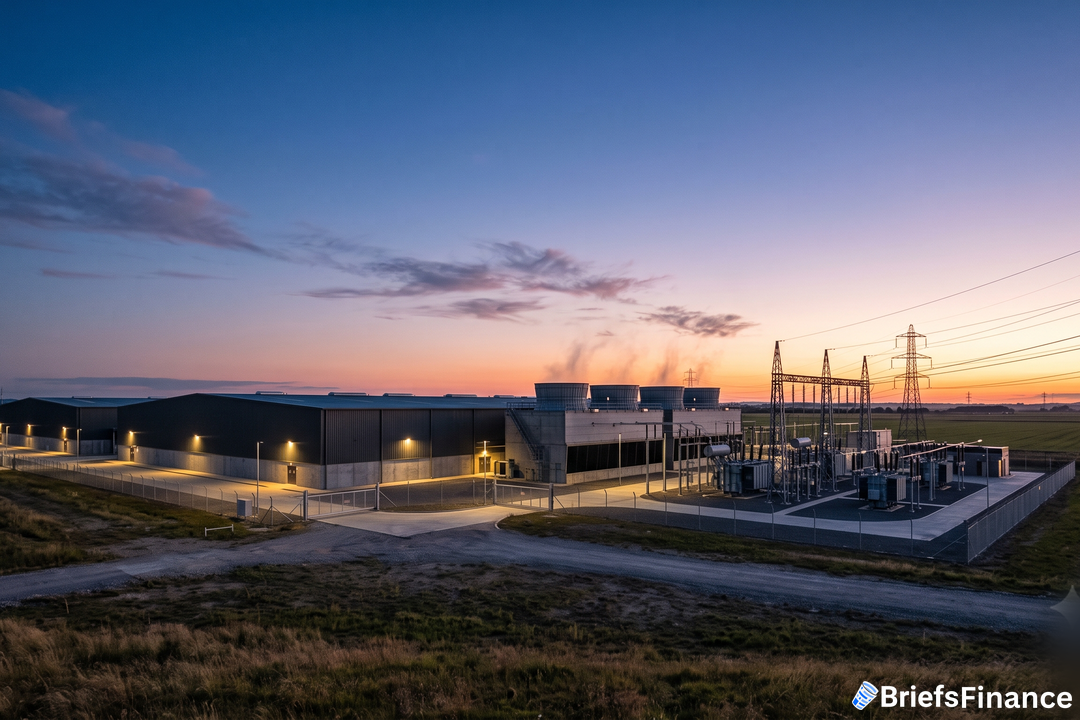
Microsoft wants to remove more carbon than it emits by 2030. Instead, its emissions went up by a quarter in 2025. The company is building huge data centers to power its AI push, and that construction burns a lot of electricity. Some of that power comes from fossil fuels.
The Numbers and the Reason
Constructing data centers consumes enormous quantities of electrical power. The more data centers you build, the more energy you need.
Microsoft also decided to suspend its buying of certain renewable energy credits. Those credits are certificates that let a company claim it used clean power. Without them, the company's reported emissions rose.
Get the market news that matters in a five-minute read with Market Briefs, our free daily newsletter
What the Company Says
Brad Smith, Microsoft's president, and Melanie Nakagawa, the chief sustainability officer, described the tension. "While AI infrastructure is driving demand for energy, water, land and materials, sustainability solutions are not scaling fast enough to meet demand," they said. They called that tension "real" and "productive."
The company is also reconsidering some of its earlier pledges. According to Smith and Nakagawa, the company intends to be "more precise" "about what sustainability requires and more willing to refine its strategies" "as conditions change, data improves and trade-offs become clearer. It does not mean we are lowering our ambition." One goal Microsoft may drop is matching its data center electricity use with renewable energy every hour.
Wider Trends
Microsoft is not alone. Many other companies have also stepped back from their promises as the U.S. government reversed environmental regulations and attempted to limit sustainability initiatives. Chevron Corp. signed a deal with Microsoft to supply power from a power plant that runs on natural gas and is planned for construction in West Texas, to supply electricity for a new data center facility. That shows how even big tech firms are turning to fossil fuels to meet their energy needs.
The tension between rapid AI expansion and climate goals is not new, but it is intensifying. Microsoft's own data reveals that while its operational emissions rose, its investments in carbon removal and renewable energy also increased. However, those investments have not kept pace with the massive energy demands of new data centers. The company had previously paused some renewable energy credit purchases to focus on direct investments in clean energy infrastructure, a strategy that inadvertently boosted its reported emissions for now.
Since then, the company has poured billions into carbon removal contracts and renewable energy projects, but the surge in AI workloads has outpaced those efforts. The shift away from purchasing renewable energy credits - a common but criticized accounting tool - reflects a broader push for direct impact, though it has temporarily worsened the reported footprint.
What to Watch
Microsoft still has four years to hit its 2030 carbon negative target. The company says it will adapt as conditions evolve.
Join Market Briefs, our free daily newsletter, for a quick daily rundown of the markets