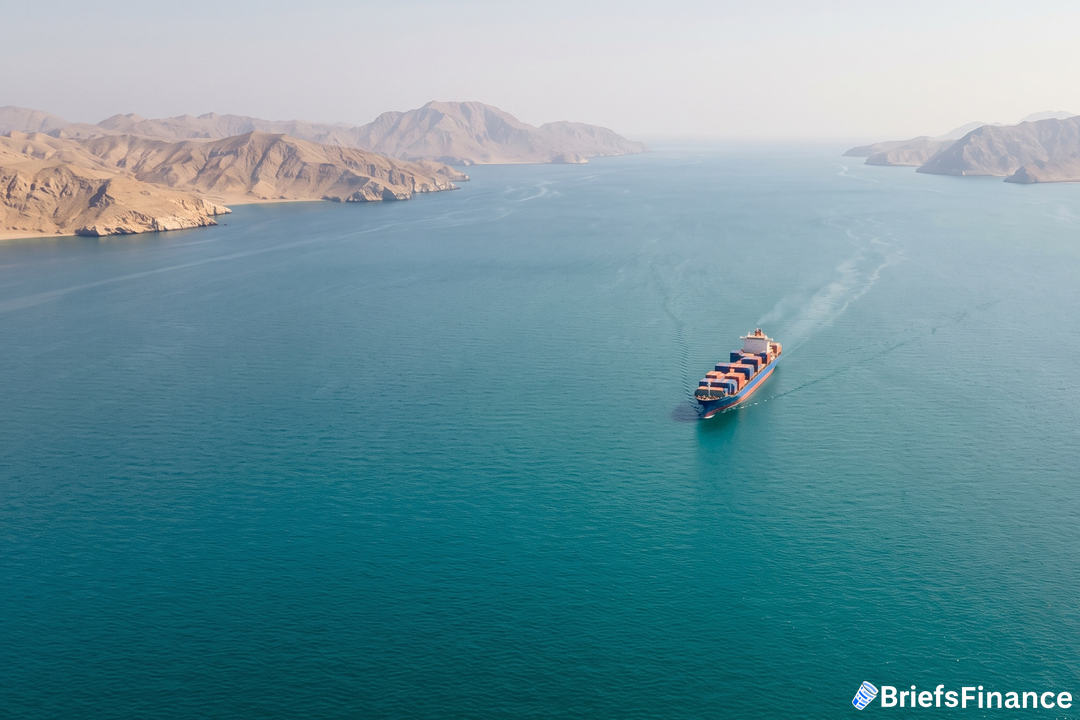
Ship traffic through the Strait of Hormuz has fallen to a trickle. Just 14 vessels passed on Sunday, compared to 37 the week before. The waterway once saw over 100 ships a day. Now, Iran and the U.S. are fighting for control, and commercial shipping is caught in the crossfire.
The Collapse in Traffic
The numbers tell a clear story. Four of the 14 were crude oil tankers.
That is a drop of about 60%. Before the war started on February 28, 2026, more than 100 ships used the Strait on a typical day. Windward, a maritime‑intelligence firm, posted on social media, "Traffic has effectively collapsed."
Approximately one-fifth of the world's oil supply transits the Strait of Hormuz/), making it a critical bottleneck for global energy. The current plunge in vessel movements threatens to disrupt oil markets and supply chains far beyond the Gulf region.
Why Iran Attacked
The trouble began when Iran attacked commercial vessels. Those ships were traveling through a U.S.-protected sea lane along the Omani coast. The U.S. responded with repeated rounds of airstrikes on Iran. Iran retaliated by launching attacks on American allies within the Gulf region.
Get the market news that matters in a five-minute read with Market Briefs, our free daily newsletter
This back-and-forth has made the Strait dangerous for commercial shipping. Tehran has insisted that vessels take a northern path through its territorial waters. According to Kpler, ships are increasingly using that Iranian route.
Kpler additionally observed that vessels using the Omani route had nearly vanished over the weekend.
Trump's Response
On Monday, President Donald Trump stated he would reinstate the American naval blockade of Iran. Trump additionally required that vessels remit 20% of their cargo's worth to the United States as a protection fee.
The U.S. Central Command asserted that the Strait of Hormuz remains operational and vessels are transiting it. A number of vessels travel the southern route while disabling their transponders, which complicates efforts to determine the exact count of ships in that corridor.
Strategic Context
The narrow waterway linking the Persian Gulf to the Gulf of Oman is one of the world's most critical energy corridors. The conflict that erupted on February 28 has upended that routine: vessels increasingly switch to the northern route under Iranian control or turn off their transponders to avoid detection. These shifts signal a lasting transformation in shipping patterns through the region.
The dramatic reduction in vessel traffic represents a severe blow to global trade. With nearly one-fifth of the world's oil supply dependent on this chokepoint, any sustained disruption could trigger a spike in energy prices and fuel inflation worldwide. The conflict has also forced shipping companies to weigh the risks of transiting either route, leading to longer voyage times and higher costs.
What to Watch
Analysts will be watching whether ship traffic continues to shift to the northern route. They will also look for vessels that turn off their transponders. For now, traffic through the Strait has fallen steeply, and the security situation continues to deteriorate.
Join Market Briefs, our free daily newsletter, for a quick daily rundown of the markets