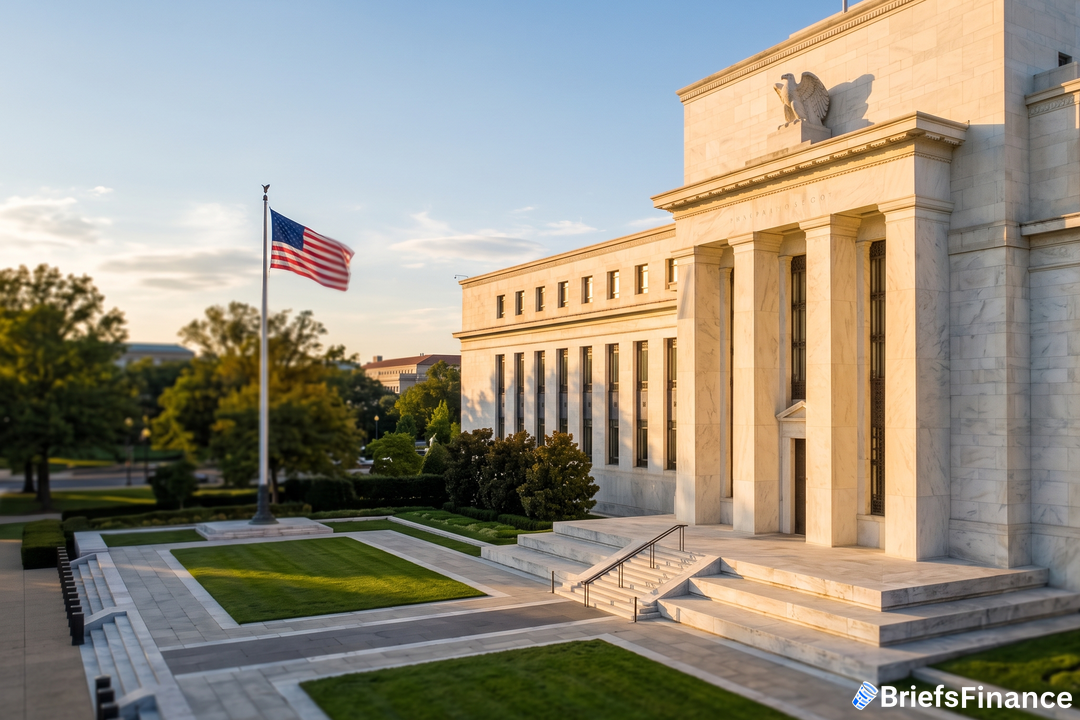
Christopher Waller wants to avoid the Fed's 2021 mistake - waiting too long to raise rates. But he also warned against overreacting to current inflation. That leaves the central bank in a tricky spot.
During the 2021-2022 period, the Fed kept rates near zero while inflation accelerated, only to raise rates aggressively later. That experience informs Waller's current caution. The Fed's two main goals are to keep prices stable and support maximum employment, and the 2021 mistake highlighted the cost of acting too late.
The Inflation Outlook
Waller pointed to three root causes: tariffs from 2025, energy price increases linked to Middle East conflict, and demand spillovers from artificial intelligence.
The upcoming June CPI report is expected to show some relief. Core CPI, which strips out food and energy, is expected to edge down to 2.8% from 2.9% in May, with a 0.2% monthly increase.
Get the market news that matters in a five-minute read with Market Briefs, our free daily newsletter
Waller pushed back against the idea that low inflation expectations alone are enough. "I often hear people say that because inflation expectations are anchored, central bankers do not have to respond to above-target inflation. This view is wrong," Waller said. He added, "Sternly staring at inflation until it melts before our withering gaze is not an option."
Market Odds and the Fed's Next Move
The Bureau of Labor Statistics will release the June CPI data the day after Waller's speech. That report will be a key input for the Fed's decision.
Waller made clear he needs more evidence before feeling confident. "I would be very pleased to see a lower reading on core inflation, but after its escalation over the first half of this year, I will need to see several months of lower readings to feel that inflation is moving in the right direction," he said.
Waller's Warning
He acknowledged the risk of acting too slowly again: "But we also must avoid repeating the same mistake we made in 2021 and 2022 by waiting too long to respond."
The tension is clear. Waller wants to avoid the error of 2021, but he doesn't want to overreact to data that may be misleading. The next CPI report and the July meeting will test that balance.
The 2021 episode serves as a stark reminder: the Fed held interest rates near zero while inflation climbed from 1.4% in January 2021 to over 7% by the end of that year. By the time it began raising rates in March 2022, a rapid tightening cycle was required. Waller's comments suggest he is mindful of that sequence, but also cautious about drawing hasty conclusions from one month's data.
Join Market Briefs, our free daily newsletter, for a quick daily rundown of the markets