Market Reaction
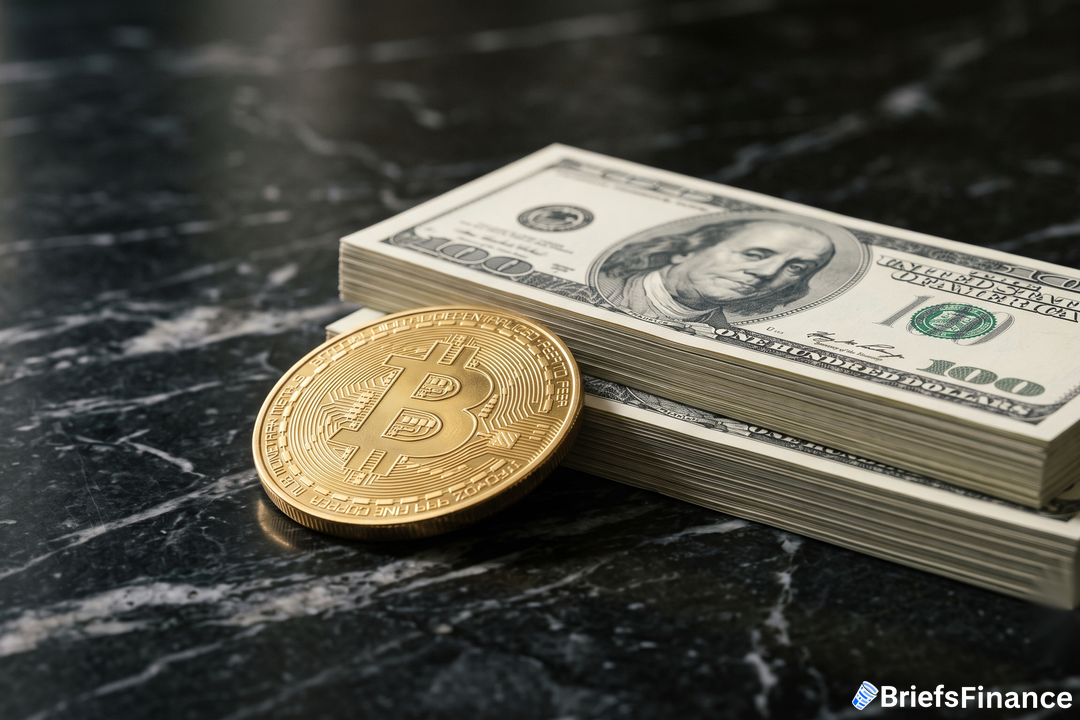
On Monday, Bitcoin declined as crude prices jumped following renewed U.S. military action against Iran, raising fears that elevated energy expenses might reignite inflation and reduce appetite for speculative investments. This decline pushed Bitcoin beneath its 200-week moving average, a metric that often indicates an extended downturn. Ether, the second-largest cryptocurrency, also fell 2.6%.
In a research note, FxPro's chief market analyst Alex Kuptsikevich stated, "Historically, a touch of the 200-week moving average has served as a decent signal that the main part of Bitcoin's correction is coming to an end and has been a good point for gradually building up long-term positions." He added, "However, it is important to understand that this narrative could change quickly and does not promise a rapid rebound."
Institutional Inflows and Technical Signals
The net inflow reversed a stretch of significant institutional sell-offs, which peaked with a record $4.5 billion in net outflows in June.
Get the market news that matters in a five-minute read with Market Briefs, our free daily newsletter
Previous touches of this line in 2015 and 2018 preceded major recoveries, though the timing of rebounds has varied. The recent inflow into spot Bitcoin ETFs, after a prolonged period of outflows, suggests some institutional investors may be viewing current prices as a buying opportunity. However, the broader macroeconomic backdrop remains a headwind.
The 200-week moving average has a track record of marking significant bottoms. In 2015, Bitcoin spent several months oscillating around this level before beginning a rally that peaked near $20,000 in late 2017. Similarly, the 2018 touch preceded a prolonged recovery that eventually led to new all-time highs in 2021. While past performance is no guarantee, the recent inflow into spot Bitcoin ETFs suggests that some investors are betting on a repeat pattern, albeit with caution given the uncertain macroeconomic environment.
Geopolitical and Economic Context
When crude oil prices rise, transportation and production expenses increase, often feeding directly into broader consumer prices. Central banks, including the Federal Reserve, closely monitor such data to adjust monetary policy.
Higher interest rates tend to reduce liquidity in financial markets, making speculative assets like cryptocurrencies less attractive. The escalation of tensions between Washington and Tehran has amplified worries that surging crude costs could revive inflationary pressures and lead to higher interest rates, conditions that typically divert capital from risky investments like Bitcoin. Investors are closely monitoring upcoming U.S. consumer-price index figures and a scheduled speech by Federal Reserve Chair Kevin Warsh for signals about the central bank's next policy moves.
IG Australia analyst Tony Sycamore shared his perspective, stating, "A hotter-than-expected CPI print would likely bolster expectations of a Fed rate hike before year-end, which would weigh on Bitcoin." He added that a result in line with or below expectations would reinforce Warsh's earlier remarks that inflation is subsiding.
On Sunday, the U.S. carried out new missile strikes on Iran, continuing a cycle of attacks and retaliations between the two nations, while they offered contradictory statements regarding the status of the Strait of Hormuz for maritime traffic.
Join Market Briefs, our free daily newsletter, for a quick daily rundown of the markets