What's happening now
Creditors to the Mall of Berlin are taking offers to offload around €550 million (about $615 million) of exposure, people with knowledge of the talks said. Those people, who asked not to be named because the negotiations are private, also said nothing is guaranteed yet - a sale might not happen, the portion sold could vary, and lenders could still choose a different route.
Who's at the table and the state of the loans
Bayerische Versorgungskammer is among the lenders canvassing bids across the capital structure. The financing, in place since 2014, is organized in three layers. BVK oversees €122 billion for roughly 2.8 million savers, and some high-profile real-estate wagers have soured - one example is in the US, where a fund it used is estimated to have lost as much as $1 billion. In stressed situations like this, banks and funds often shy away from selling because buyers tend to demand steep markdowns.
Creditors selling claims is a clear read on what they expect to recover. Market Briefs covers distressed property free every morning.
The owners and the refinancing push
While creditors test the market, HGHI Holding GmbH, a co-owner, is driving a separate refinancing effort. Speaking to Bloomberg News, managing director Harald Huth said, "The Mall of Berlin is in final stages of negotiations on a refinancing led by UniCredit." The property is held by a partnership between Arab Investments Ltd and Huth, whom local outlets have dubbed the King of Berlin Malls.
Why the asset is a tough sell
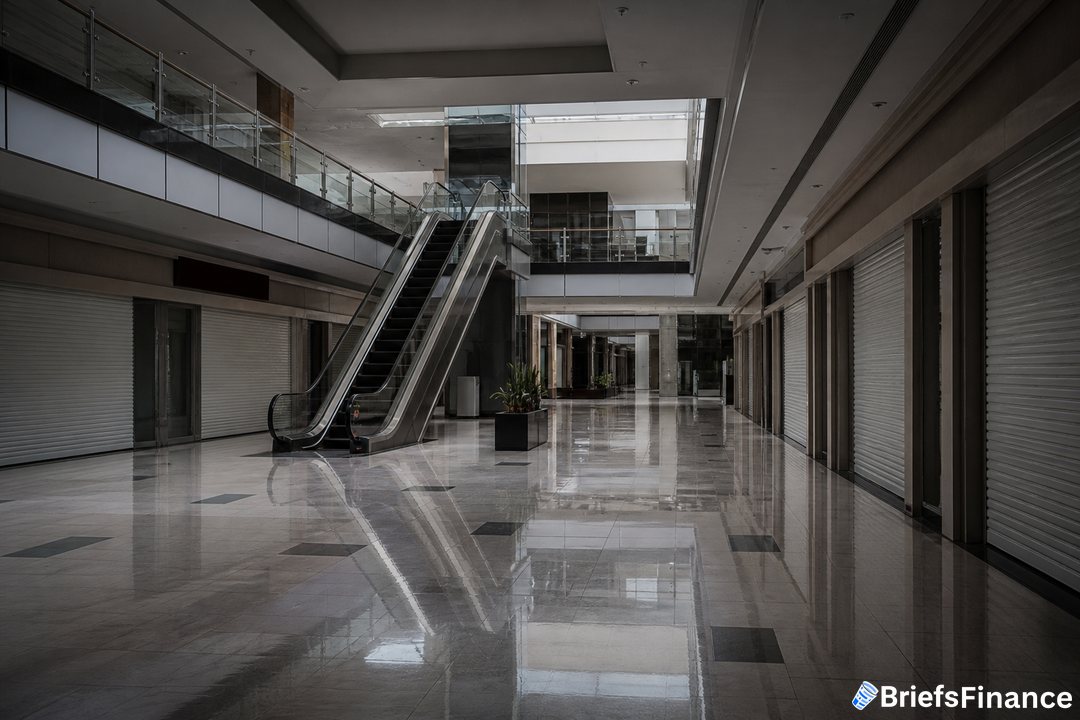
The Mall of Berlin has become a poster child for the strain on physical retail after lockdowns sped up the shift to e-commerce. The site occupies the area once taken up by the destroyed Wertheim department store, and it sits in the Potsdamer Platz area that once straddled the Berlin Wall. Huth and Arab Investments bought the site in 2011, when it was the biggest undeveloped plot in central Berlin.
That sheer scale can scare off distressed-debt buyers, who often want the option to take control of the property and later sell it on. Concerns flagged by investors include whether, even after a turnaround, such a large retail asset could find a buyer in today's tight market. The apartments have also struggled to fully lease, with pricing and the location in one of the city's busiest tourist zones cited as sticking points.
Neither BVK nor UniCredit SpA offered a comment through their spokespeople. Arab Investments did not respond to requests by email and phone. Talks over the mall's debt load have been underway for months.
Retail real estate workouts are reshaping European city centres. Get the free Market Briefs daily newsletter and follow it.