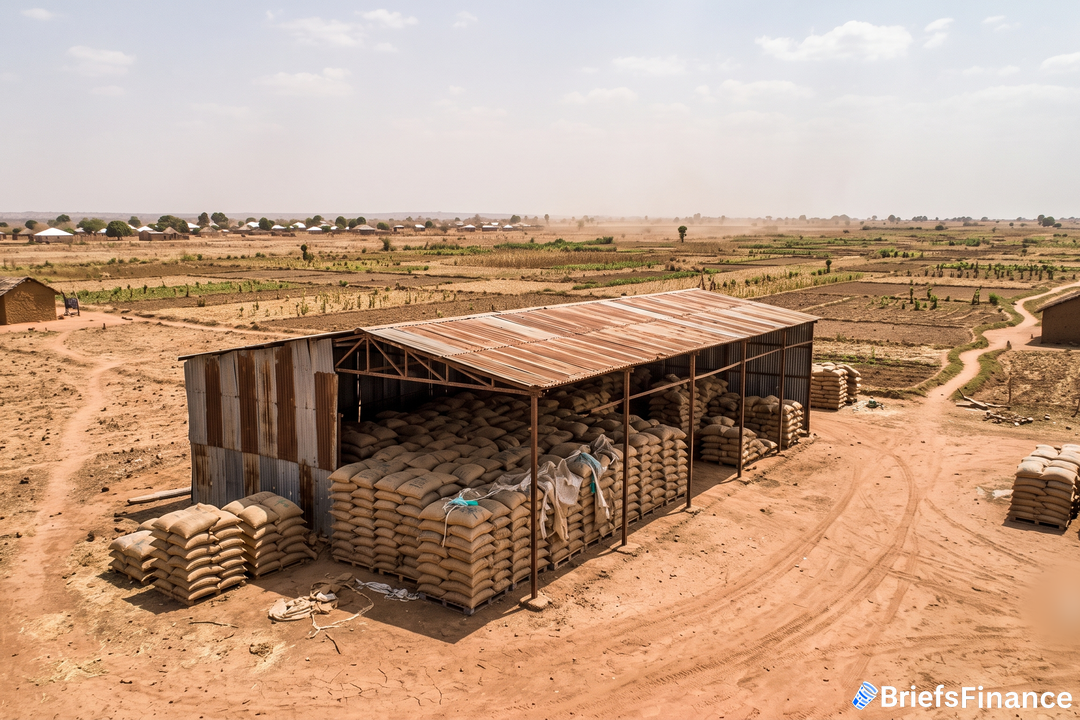
Fertilizer prices are already climbing fast. The World Bank says they could surge even higher if a key shipping route stays shut.
The Hormuz Bottleneck
The Strait of Hormuz is critical for ammonia production and liquefied natural gas (LNG) exports, both essential for nitrogen fertilizers. Fertilizer prices are a critical input for global agriculture, and sustained increases can drive up food costs worldwide. The current crisis traces back to geopolitical tensions in the Middle East, which have disrupted shipments through the Strait of Hormuz.
Since natural gas is a primary feedstock for nitrogen fertilizers, any supply squeeze in that market quickly translates to higher fertilizer production costs. The World Bank's analysis suggests that without a resolution by mid-2026, the price trajectory could worsen, particularly affecting regions with already fragile food systems.
What the Numbers Say
DAP prices increased 5% to $658.3 per metric ton, while MOP rose from $372.5 in February to $380.6 per metric ton.
Get your free investing masterclass bonus when you join Market Briefs, our free daily newsletter
The World Bank's fertilizer price gauge rose over 12% beginning from the final three months of 2025. The World Bank expects urea prices to rise nearly 60% on average for 2026, then ease in 2027 as Middle East exports resume and natural gas costs cool. DAP prices are forecast to climb about 6% this year, then drop roughly 10% in 2027 as new production comes online. MOP prices are predicted to increase around 12% in 2026 before declining about 6% the following year.
Vulnerable Regions
The World Bank identifies Sub-Saharan Africa as the area facing the highest risk from persistently expensive fertilizers, given its minimal application of fertilizers and constrained government budgets for agricultural aid.
The Broader Impact on Global Food Security
Several factors have tempered the current price shock: pre-season buying in the Northern Hemisphere, milder natural gas price hikes compared to the 2021-22 energy crunch, and diversions of some Middle East shipments via land routes. However, the World Bank cautioned that upside risks persist if the Strait of Hormuz closure lasts past June or if China imposes additional limits on fertilizer exports.
Fertilizer affordability underpins modern crop production, and past price spikes have led to reduced yields and higher food inflation globally. The current disruption adds to a pattern of volatility seen in recent years, with nitrogen-based products like urea especially sensitive to natural gas supply shocks. While the World Bank notes that today's gas price increases are milder than the 2021-22 crisis, a prolonged Strait of Hormuz closure could create a deeper and longer-lasting deficit.
What to Watch
Risks remain high if the Strait of Hormuz disruption lasts beyond June 2026. China could also further restrict fertilizer exports, adding to the squeeze. The outlook depends on whether shipping resumes by mid-2026.
Subscribe to Market Briefs, our free daily newsletter, and claim your bonus investing masterclass