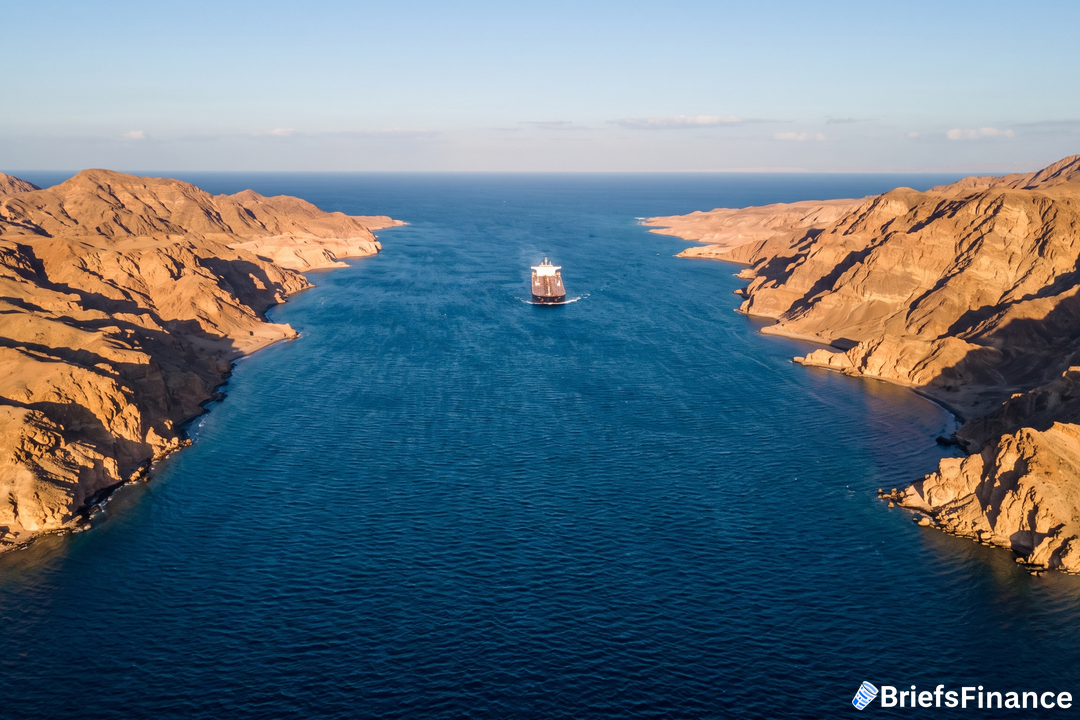
Iran seeks to govern future vessel movements in the Strait of Hormuz. The United States insists no fees can be imposed. But some European powers now accept that fees are an unavoidable outcome.
European Shift Toward Fees
They are pressing for non-discrimination and for an international maritime coalition to clear mines.
Oman is studying the Malacca strait as a potential model.
US and Gulf Opposition
The United States continues to insist Iran and Oman cannot impose fees. After the war, the US blockaded Iran's ports and later signed an interim peace deal. President Donald Trump said negotiators have made progress: "we're getting along very well."
Get your free investing masterclass bonus when you join Market Briefs, our free daily newsletter
Gulf Arab countries - Saudi Arabia, UAE, Qatar, Kuwait, and Bahrain - publicly insist fees cannot be imposed. Privately, some officials may agree with the European view. Bahrain's government issued a statement denying any acceptance: "The free and unimpeded passage of international shipping through the strait is a matter of international law, not a matter for negotiation."
American envoys Steve Witkoff and Jared Kushner went to Doha for indirect talks between Washington and Tehran. Oman's leader, Sultan Haitham bin Tariq, traveled to France and discussed Hormuz with President Macron. Macron co-signed a joint declaration with the Omani leader promoting restriction-free transit.
What to Watch
An international mine-clearing coalition depends on progress in those talks.
Background Context
The Malacca Strait model, though voluntary, highlights how difficult it is to raise even modest sums for navigation safety. Any fee system would likely ignite further tensions with Gulf states, who fear higher shipping costs and lost sovereignty over maritime passage.
Additional Context
Any imposition of transit fees would have major implications for global energy markets and shipping costs. The Malacca Strait model, while voluntary and low-yielding, shows that nations can cooperate on navigational funding. However, Iran's strategic position gives it leverage to demand compulsory payments, something the US and Gulf states oppose. Mine-clearing efforts, essential for safe passage, hinge on these negotiations.
Compulsory tolls would raise shipping expenses for oil and LNG tankers, potentially driving up global energy prices. The strait's narrow width and shallow waters already create navigational risks; mines added during the conflict make transit even more hazardous. An international mine-clearing coalition, championed by European nations, is contingent on diplomatic breakthroughs.
Without such clearance, insurers may hike premiums, discouraging commercial shipping. These economic realities help explain why European powers are moving toward accepting fees despite US opposition.
Subscribe to Market Briefs, our free daily newsletter, and claim your bonus investing masterclass