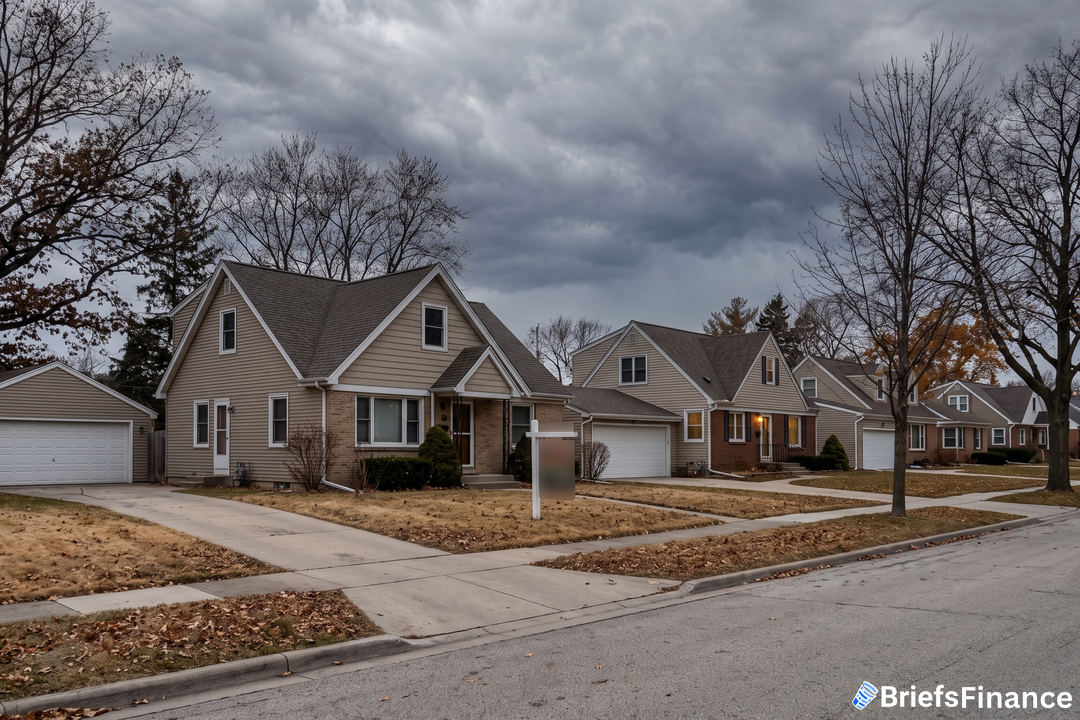
Think of the housing market like a car climbing a steep hill. Now the engine is sputtering. Fitch Ratings just cut its home price forecasts for many major economies through 2027. High inflation and elevated mortgage rates are the main reasons.
The current downturn is driven by a combination of persistent inflationary pressures and central bank policies that have kept interest rates elevated for longer than anticipated. Additionally, the ongoing Iran conflict has pushed energy costs higher, further straining household budgets and increasing lenders' funding expenses. These factors have eroded affordability and consumer confidence, leading to a slowdown in housing demand across multiple economies.
The Latest Outlook
Fitch issued its 2026 Global Housing and Mortgage Outlook Mid-Year Update on July 2, 2026. Slower income growth and softening labor markets are also cutting demand. Household finances are under stress. For the U.S., Fitch now believes the Fed won't cut its benchmark rate at any point in 2026.
Ongoing economic unpredictability and turbulent financial markets are projected to maintain mortgage rate premiums over Treasury yields at elevated levels, blocking any substantial drop in loan expenses. In the eurozone, Fitch forecasts the ECB's deposit rate will stabilize at roughly 2%, yet high sovereign bond yields should keep mortgage rates from falling significantly anytime soon.
The Iran conflict has driven up energy costs, lifting inflation forecasts, raising lenders' funding expenses, and pushing mortgage rates up in many nations.
Get your free investing masterclass bonus when you join Market Briefs, our free daily newsletter
The Pressure on Buyers
Higher mortgage rates are the primary challenge. Fitch raised its borrowing cost forecasts for Australia, Italy, the Netherlands, Mexico, Brazil, the U.S., and the U.K., because central banks are expected to keep rates higher for longer than investors had anticipated.
Divided Markets
Fitch expects home price gains to weaken across most major economies, but some markets will hold up better than others. Countries with housing shortages and favorable demographics - like Spain, Italy, and Australia - should stay more resilient.
Other markets face bigger challenges. The UK, Canada, and the Netherlands are sensitive to borrowing costs and weakening labor conditions. In Canada, Fitch increased its expectation for late mortgage payments following personal insolvencies hitting a post-2009 peak. Homeowners are also dealing with a small uptick in joblessness, falling equity in their properties, and refinancing at much steeper rates.
For the Netherlands, Fitch made a steep cut to its 2026 home value predictions, pointing to deteriorating consumer sentiment, anticipated higher inflation, and persistently high borrowing costs.
China remains an outlier: Fitch projects that China's home sales and house prices will keep falling through all of 2026, and further mortgage rate cuts probably won't stop the extended slump.
What to Watch
Markets will become increasingly fragmented. Instead of a coordinated downturn, Fitch anticipates a more divided worldwide housing landscape. Home price trends will depend on local supply, demographics, and how much borrowers rely on cheap debt. The overall direction is still slower growth through 2027.
Subscribe to Market Briefs, our free daily newsletter, and claim your bonus investing masterclass