Most price spikes have one cause, but May's had two.
A war in the Middle East pushed up prices, and the AI spending boom did too. Together they pushed import prices up 1.9% in May.
That left the yearly rate at its highest in almost four years.
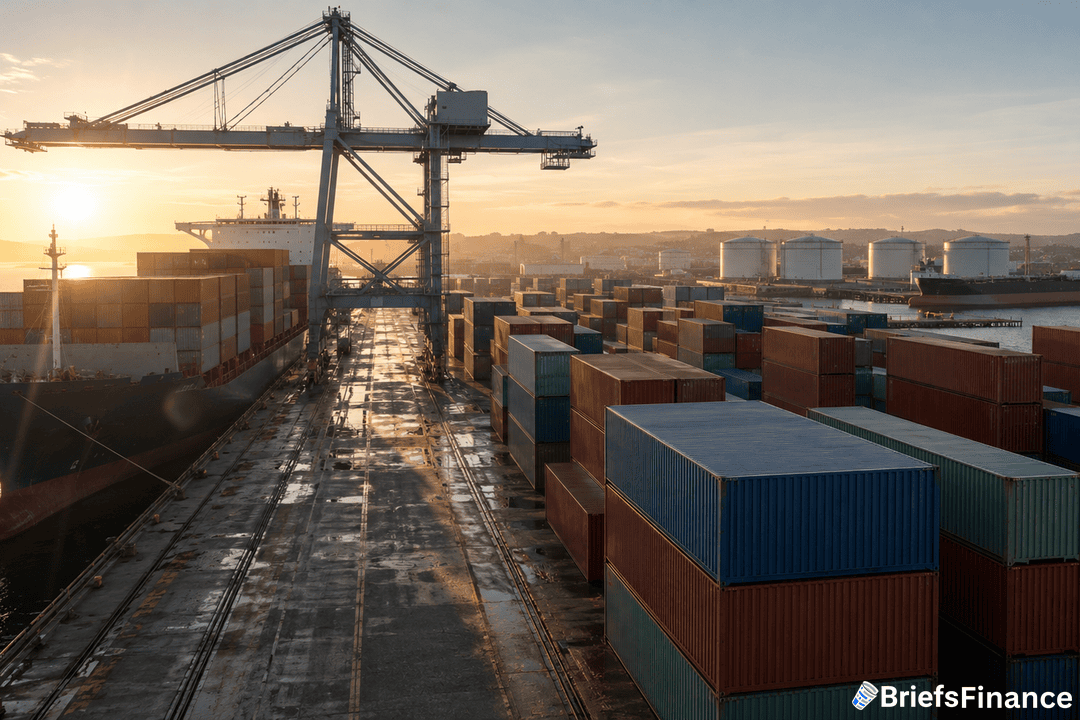
Import prices are the tags on goods before they hit US store shelves. When they rise, store prices tend to follow.
That makes this report an early read on where inflation is headed. It also beat forecasts, since economists had looked for a rise near 1.0%.
The gain built on a hot April, too. That month was revised up to a 2.0% rise.
Fuel Prices Led The Jump
Fuel did most of the work, as imported fuel prices jumped 12.5% in May. That came after an even bigger 18.6% spike in April.
The cause was war, and oil prices soared during the US-Israeli war with Iran. The fighting put shipments through the Strait of Hormuz at risk.
That narrow waterway carries a big share of the world's oil. So when it looked blocked, prices ran higher.
Over the weekend, the two sides said they had agreed to end the war and reopen the strait. But the deal may hinge on the fighting in Lebanon winding down, so it is far from settled.
We turn moves like this into plain English every morning in Market Briefs - five minutes a day, plus a free investing masterclass when you join.
AI Spending Lifted Capital Goods
The second cause is newer, as prices for imported capital goods rose 1.3% in May. Capital goods are the machines and tools that firms buy to make other things.
The driver is the race to build AI, with firms buying chips, servers, and gear at a fast pace. All that demand lifts prices.
It is a quieter story than oil, but it matters. The AI boom is now reaching everyday price data, not just tech stocks.
For investors, that link is worth watching. More AI spending can mean more inflation down the road.
Why The Timing Matters
Over the past year, import prices are up 6.7%, the largest 12-month rise since August 2022. The yearly number shows the trend, not just one hot month.
Other warning signs line up, too, since consumer prices rose at their fastest pace in three years in May. Producer prices tell the same story.
Those track what firms charge each other, and they had their biggest gain in three and a half years. All of it points to heat building in the pipeline.
This hit as the Federal Reserve began a two-day meeting. The Fed is the central bank that sets interest rates.
It is set to hold rates in the 3.50% to 3.75% range. But it may stop hinting at cuts.
Hot price data makes the Fed's job harder. Cheap money tends to feed inflation, so a strong report lowers the odds of a near-term cut.
One note for investors: these figures leave out tariffs. So the rise comes from real demand and war, not trade taxes.
What To Watch
Two things will shape prices next. One is whether the Strait of Hormuz stays open, and the other is whether the AI buildout keeps running hot.
A reopened strait would ease fuel costs fast, while a stalled deal would keep them high. Both point the same way for now.
Want this kind of read before the market opens? Join 350,000+ investors reading Market Briefs and get a 45-minute investing course thrown in for free.