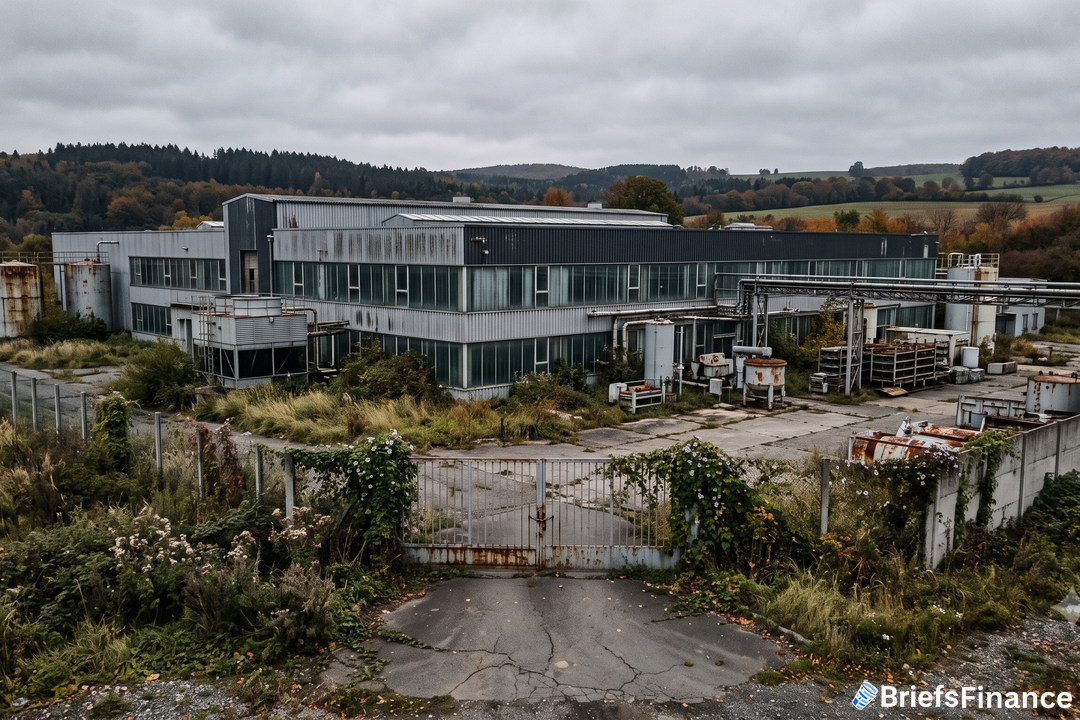
This clash is the latest indication of resistance to the approach of ex-Premier Viktor Orban, who aimed to make Hungary a hub for automotive battery manufacturing. Papp urged the company to withdraw from the recently built 65 billion forint ($210 million) facility, which has remained closed after regulators found violations.
The Pollution Shutdown That Sparked the Mayor's Demand
The halt remains in force.
Papp wrote on social media: "The local authority and all its subsidiaries will refuse any cooperation with Semcorp in the future," calling the company "irresponsible." Semcorp did not respond when contacted via email for comment. The administration of recently elected Prime Minister Peter Magyar has promised to shift Hungary's economic strategy away from relying on foreign assembly operations, and accused Orban's former officials of ignoring environmental breaches while assisting projects with preferential treatment and state funds.
Get your free investing masterclass bonus when you join Market Briefs, our free daily newsletter
A Political Shift Behind the City's Hard Line
The Fidesz party of Orban, which includes Mayor Papp among its members, has rejected these claims. Accusations of environmental misconduct at multiple major foreign projects played a key role in Magyar's electoral win. All the factories involved have maintained that they comply with environmental regulations.
What to Watch
Semcorp's factory remains idle, and the company faces a choice: fix the pollution problem and attempt to resume operations, or exit Hungary entirely. The administration of Prime Minister Peter Magyar has signaled that foreign investors will encounter stricter environmental requirements going forward. The Debrecen case may serve as an indicator of whether Hungary's battery manufacturing expansion is truly losing momentum.
This episode also highlights the broader tensions surrounding foreign direct investment in Hungary. Under Orban, the country aggressively courted Asian battery makers - including Chinese giants like CATL and South Korean firms such as SK Innovation - offering tax breaks and streamlined permits. Critics argued that these incentives came at the cost of lax environmental oversight.
Magyar's electoral victory in April hinged partly on a promise to prioritize ecological protections over rapid industrial growth. The Semcorp shutdown is the first major test of whether that promise will translate into a real shift in policy for foreign investors.
To provide additional context, Debrecen has long been a focal point of Hungary's battery industry ambitions. The Semcorp facility, built to manufacture battery components, represented one of the largest single foreign investments in the region. Its sudden closure not only idles hundreds of local workers but also raises doubts about the viability of future projects that were planned under the previous administration's aggressive recruitment of Asian manufacturers.
Subscribe to Market Briefs, our free daily newsletter, and claim your bonus investing masterclass