Free NewsletterPro Login
S&P 500 6,287 +0.42%
DOW 44,521 -0.18%
NASDAQ 21,103 +0.71%
S&P 500 +12.4%
Briefs Finance Fund +24.8%
JOIN THE FUND →

Hungarian City Leader Demands Chinese Firm Leave After Water Contamination

Published Jul 1, 2026
[tts_player]
Share:
Summary:
  • Mayor Laszlo Papp has publicly called for Chinese battery-parts manufacturer Semcorp to exit after pollution incident.
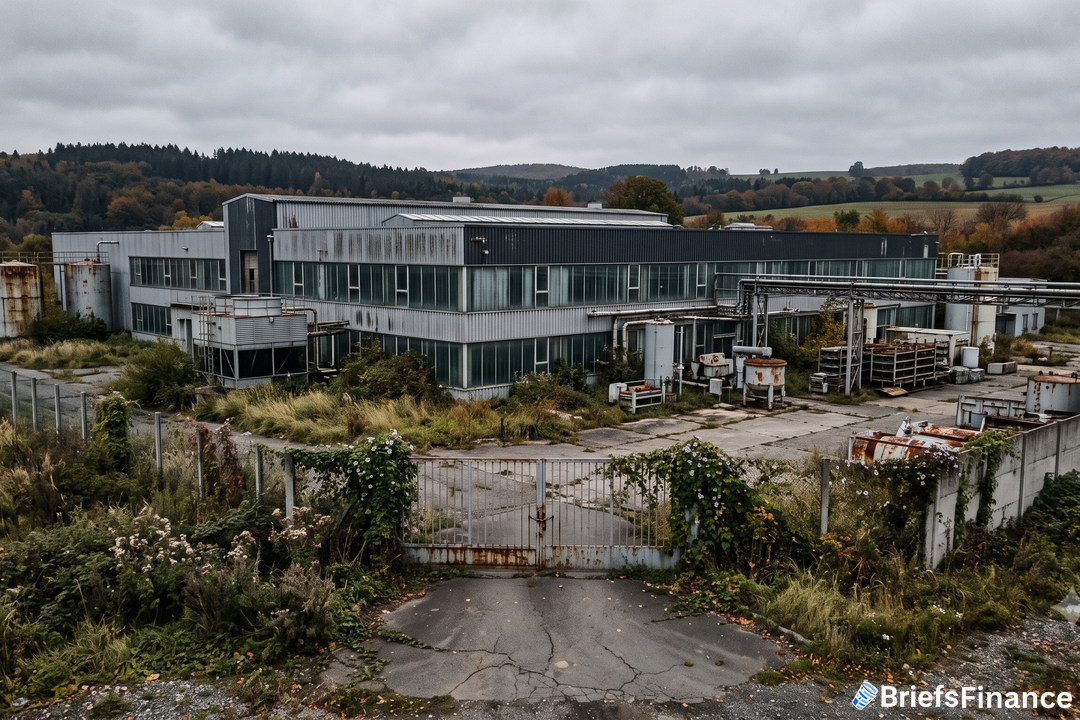
  • The $210 million plant, which employed around 400 workers, was closed last month because of elevated metal levels detected in local water sources.
  • The government led by recently appointed Prime Minister Peter Magyar has promised to shift away from reliance on foreign assembly operations and has accused the previous administration of ignoring environmental infractions at foreign investments.

This clash is the latest indication of resistance to the approach of ex-Premier Viktor Orban, who aimed to make Hungary a hub for automotive battery manufacturing. Papp urged the company to withdraw from the recently built 65 billion forint ($210 million) facility, which has remained closed after regulators found violations.

The Pollution Shutdown That Sparked the Mayor's Demand

The halt remains in force.

Papp wrote on social media: "The local authority and all its subsidiaries will refuse any cooperation with Semcorp in the future," calling the company "irresponsible." Semcorp did not respond when contacted via email for comment. The administration of recently elected Prime Minister Peter Magyar has promised to shift Hungary's economic strategy away from relying on foreign assembly operations, and accused Orban's former officials of ignoring environmental breaches while assisting projects with preferential treatment and state funds.

Get your free investing masterclass bonus when you join Market Briefs, our free daily newsletter

A Political Shift Behind the City's Hard Line

The Fidesz party of Orban, which includes Mayor Papp among its members, has rejected these claims. Accusations of environmental misconduct at multiple major foreign projects played a key role in Magyar's electoral win. All the factories involved have maintained that they comply with environmental regulations.

What to Watch

Semcorp's factory remains idle, and the company faces a choice: fix the pollution problem and attempt to resume operations, or exit Hungary entirely. The administration of Prime Minister Peter Magyar has signaled that foreign investors will encounter stricter environmental requirements going forward. The Debrecen case may serve as an indicator of whether Hungary's battery manufacturing expansion is truly losing momentum.

This episode also highlights the broader tensions surrounding foreign direct investment in Hungary. Under Orban, the country aggressively courted Asian battery makers - including Chinese giants like CATL and South Korean firms such as SK Innovation - offering tax breaks and streamlined permits. Critics argued that these incentives came at the cost of lax environmental oversight.

Magyar's electoral victory in April hinged partly on a promise to prioritize ecological protections over rapid industrial growth. The Semcorp shutdown is the first major test of whether that promise will translate into a real shift in policy for foreign investors.

To provide additional context, Debrecen has long been a focal point of Hungary's battery industry ambitions. The Semcorp facility, built to manufacture battery components, represented one of the largest single foreign investments in the region. Its sudden closure not only idles hundreds of local workers but also raises doubts about the viability of future projects that were planned under the previous administration's aggressive recruitment of Asian manufacturers.

Subscribe to Market Briefs, our free daily newsletter, and claim your bonus investing masterclass

Disclosure

Recent News

1 2 3 31

Get Market Briefs delivered to your inbox every morning for free!

No fluff. No noise. No politics. Just finance news you can read in 5 minutes.

Blogs

June 29, 2026
Portfolio Diversification: Why Putting All Your Eggs in One Basket Destroys Wealth
  • Real diversification means spreading investments across all 11 economic sectors plus bonds, alternatives, and cash so no single bet can sink the portfolio.
  • Different sectors perform at different times, so a diversified portfolio captures upswings while smoothing the brutal drawdowns that wipe out concentrated bets.
  • Total market index funds offer the simplest path to diversification, and annual rebalancing is what keeps the structure working over time.
Read More
June 29, 2026
Non Taxable Income: What It Is and Why It Matters
  • Non taxable income is money you receive that you don't owe income tax on.
  • The tax code treats workers, investors, and business owners very differently, and investors often come out ahead.
  • Learning how income is taxed is a quiet superpower for keeping more of what you earn.
Read More
June 29, 2026
Semiconductor Stocks: A Simple Guide for Investors
  • Semiconductor stocks are companies that design and make computer chips, the brains inside nearly every modern device.
  • The AI boom has turned chips into one of the market's most important and most watched groups.
  • They offer big growth potential, but come with high valuations and a notoriously cyclical history.
Read More
June 25, 2026
How Stocks Work: A Simple Guide for Beginners
  • A stock is a slice of ownership in a company - buy one, and you own a piece of the business.
  • You make money two ways: the share price rising over time, and dividends paid to shareholders.
  • The simplest path for most beginners is buying into the whole market through a low-cost index fund.
Read More
June 25, 2026
Stop Loss vs Stop Limit: What's the Difference?
  • A stop loss order sells your stock once it hits a trigger price, prioritizing getting you out.
  • A stop limit order only sells within a price range you set, prioritizing price over a guaranteed exit.
  • The trade-off: a stop loss almost always executes; a stop limit might not if the price moves too fast.
Read More
June 25, 2026
Energy Stocks: A Simple Guide for Investors
  • Energy stocks are companies that produce and supply the power the world runs on, from oil and gas to newer sources.
  • They make up one of the 11 sectors of the market and tend to move with energy prices and big-picture shifts.
  • Like any sector, the key is diversification and understanding the forces driving demand.
Read More
June 18, 2026
What Is a Stop Loss Order? A Simple Guide
  • A stop loss order automatically sells a stock once it falls to a price you set.
  • It's a tool to cap losses or lock in gains without watching the market all day.
  • It works best for active strategies, and can backfire if used carelessly on long-term holdings.
Read More
June 18, 2026
Best S&P 500 Index Fund: How to Choose One
  • The best S&P 500 index fund for most investors is simply the cheapest, most established one that tracks the index well.
  • Funds like VOO, IVV, and SPY all hold the same 500 companies, so the biggest difference is the fee.
  • Pick one, automate your buys, and let time do the heavy lifting.
Read More
June 17, 2026
What Are Penny Stocks? Risks and Rewards Explained
  • Penny stocks are very low-priced shares of very small companies, often trading for just a few dollars or less.
  • They promise huge gains but carry huge risks: low liquidity, high failure rates, and wild price swings.
  • Most investors are better served by quality companies and funds than by chasing cheap shares.
Read More
June 17, 2026
Best Stocks for Beginners With Little Money
  • The best stocks for beginners with little money usually aren't individual stocks at all - they're low-cost index funds.
  • You can start with $100 or less and use small, regular investments to build wealth over time.
  • Focus on diversification and consistency, not on picking the next big winner.
Read More
1 2 3 24
Share via
Copy link










