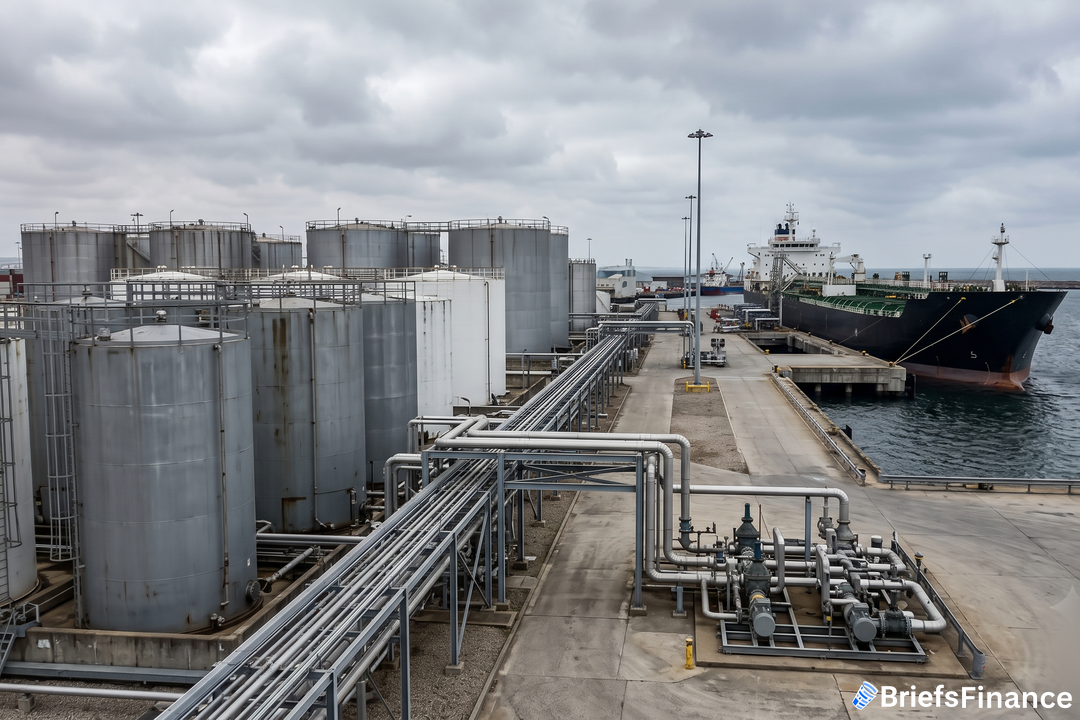
The Trump administration set record‑high biofuel blending quotas in March 2026 to help American farmers. But US biodiesel plants had been idled or closed for months, creating a domestic shortage. The result: European biodiesel is now pouring into the world's largest biofuels producer.
The Surge in Numbers
The last time the US received any such shipments was December 2024. In just the week before July 9, 2026, 3.4 million gallons of Dutch biodiesel landed in the country.
The new mandates require more than a 60% year‑on‑year jump in blending alternative diesels. US refiners have no choice but to import, said Brett Gibbs, a Bloomberg Intelligence analyst. "No choice but to call upon foreign biodiesel," he said.
Why US Production Can't Keep Up
Policy uncertainty under earlier years caused many plants to close or mothball.
Get the market news that matters in a five-minute read with Market Briefs, our free daily newsletter
"We're going to have a lot of soybean oil," commented Jacqui Fatka, who serves as an analyst at CoBank. "The problem is, do we have enough facilities to run that oil for renewable diesel? Some biodiesel plants are mothballed and completely shuttered. Do they try to come back on?"
The American Fuel & Petrochemical Manufacturers, a trade group, sued the administration over the quotas. Geoff Moody, the group's senior vice president, said the mandates "need to be reevaluated, resized, and brought back to reality."
Meanwhile, biofuel credit prices have more than doubled this year, reaching record highs. These credits are tradable certificates that refiners must buy if they don't blend enough renewable fuel into diesel. The soaring cost is squeezing refiners' profits.
The policy uncertainty that plagued the US biodiesel industry in prior years stemmed from shifting federal mandates and trade disputes. Many plants that had been running at reduced capacity or had been mothballed were unable to quickly restart when the new quotas were announced in March 2026. This mismatch between policy ambition and industrial readiness created the conditions for the surge in European imports.
What It Means for Investors
A report released last month by academics from the University of Illinois and Oklahoma State University concluded that the quotas "ask the domestic biomass‑based diesel industry to operate at the upper edge of its demonstrated capability while simultaneously relying on a recovery in imports that current and proposed policy work against."
Kurt Kovarik of Clean Fuels Alliance America, a biodiesel industry group, argues the mandates are "achieving exactly what Congress and the Trump administration intended." The Environmental Protection Agency, which set the rules, said the quotas show "month‑to‑month variability" but are "achievable and appropriate."
Refiners warn that high credit costs may force them to supply less fuel. That creates political risk for President Trump, whose "America‑first" policy is now boosting imports. The agriculture industry hopes to expand domestic output. But if it fails, the high quotas may not be repeated.
What to Watch
Watch whether US biodiesel plants restart fast enough to meet demand, or if European imports keep rising. The answer will shape credit prices, refiner profits, and the fate of the Trump administration's biofuel policy.
Join Market Briefs, our free daily newsletter, for a quick daily rundown of the markets