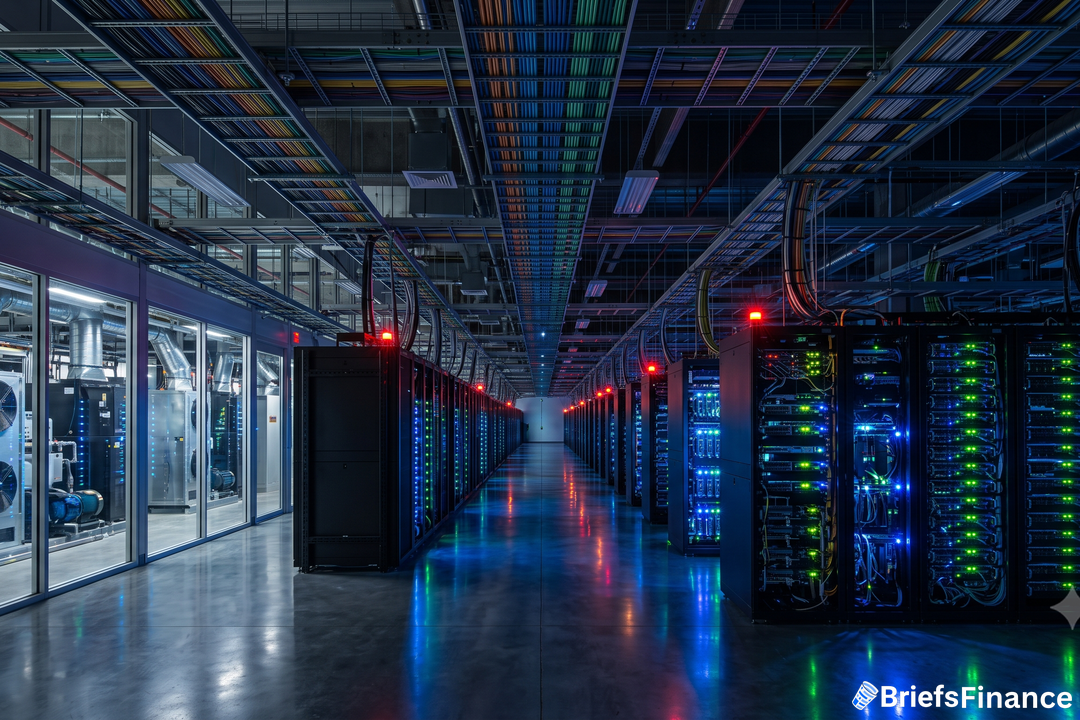
Amazon vowed to bring its carbon emissions down to near zero by 2040. Instead, its carbon output keeps rising. Despite promising years ago to neutralize their carbon footprint, Amazon and its tech peers have been swept up in a massive data center construction surge that has undercut their climate pledges.
Constructing Amazon's data centers uses massive volumes of concrete, steel, and electrical power. The company is building many new centers to support artificial intelligence and cloud services. That construction and energy use pushed emissions higher.
At the same time, Amazon shipped more packages than ever. More deliveries mean more trucks and planes burning fuel. The combination of data center growth and delivery expansion created a big emissions spike.
The electricity Amazon bought jumped 34% last year. These data centers draw enormous electricity, sparking a surge in spending on fossil fuel projects across the United States, such as natural gas power plants.
Get your free investing masterclass bonus when you join Market Briefs, our free daily newsletter
The data center boom is driven by the rapid adoption of AI technologies, which require massive computing power. Amazon's cloud computing division, AWS, is a major player in this space, and the company is investing billions in new data centers worldwide. This surge in construction has led to increased emissions despite Amazon's renewable energy purchases.
Amazon still says it plans to eliminate its carbon emissions by 2040. Kara Hurst, Amazon's Chief Sustainability Officer, said in the report: "While the speed and scale of AI adoption is unique - and the change is happening faster and more broadly than anything else we've encountered in our lifetimes - the need to stay stubborn on our vision and flexible on the details is familiar territory."
The Road Ahead
The continuing emissions growth underscores the difficulty of decarbonizing at the speed demanded by AI expansion. The construction of new data centers requires massive quantities of concrete and steel - both carbon-intensive materials. While the company has long touted its investments in renewable energy, the sheer scale of new facilities has outpaced the availability of clean power in many regions, leading to greater reliance on fossil fuels.
Additionally, the growth in delivery volumes adds to the carbon burden, as more trucks and planes are deployed. For Amazon to meet its 2040 net-zero goal, it will need to dramatically accelerate its clean energy efforts and find ways to reduce emissions from both construction and logistics. Despite these challenges, Amazon maintains that its investments in renewable energy and carbon removal technologies will eventually bring emissions down.
Amazon is not alone in this struggle. Other major tech firms, such as Microsoft and Google, have also reported rising emissions as they race to build out AI infrastructure. The rapid expansion of data centers across the globe has strained renewable energy supplies and driven up demand for natural gas, creating a near-term conflict between tech growth and climate commitments.
The company has signed power purchase agreements for wind and solar and is exploring small modular nuclear reactors for future data center power. However, these solutions are not yet deployed at scale, and emissions continue to rise in the near term.
Subscribe to Market Briefs, our free daily newsletter, and claim your bonus investing masterclass