Record-Setting IPO
The final per-share price was fixed at 156 baisa - the highest point in the marketed range - giving the company a valuation of 1.04 billion Omani rials. Its three current stockholders offered a total of 1.67 billion shares, representing a 25% ownership, priced between 146 and 156 baisa each. Trading is scheduled to begin on July 8.
People familiar with the matter said major regional sovereign wealth funds were among those investing in the IPO.
Context: Regional Conflict and Oman's Position
The offering takes place at a time when fragile negotiations between the US and Iran seek to halt a war that has destabilized the Middle East and global energy supplies. Oman itself has escaped the missile strikes that hit some neighboring Gulf states and has continued to benefit from trade routes that circumvent the Strait of Hormuz, a waterway repeatedly disrupted during the conflict.
Get your free investing masterclass bonus when you join Market Briefs, our free daily newsletter
Oman's stock exchange has proven one of the most stable in the Gulf since the war began, extending gains that emerged last year when investors speculated that the Muscat bourse might eventually be promoted to emerging-market status, thereby attracting more foreign capital.
The IPO also occurs at a time when fertilizer prices remain high because of concerns that the conflict could interrupt worldwide supply. Investors have increasingly shifted money into Omani assets, wagering that the sultanate's trade corridors and export facilities give it an advantage over some neighbors. In Saudi Arabia, a big contractor postponed its planned public listing due to market turbulence in the kingdom.
Implications for Oman's Privatization Drive
The sale represents another milestone in Oman's privatization initiative, which briefly pushed the sultanate ahead of London in IPO proceeds during 2024 following two landmark listings. State-controlled energy firm OQ has been a key driver of these efforts, using public offerings to unlock asset value and deepen the country's capital markets.
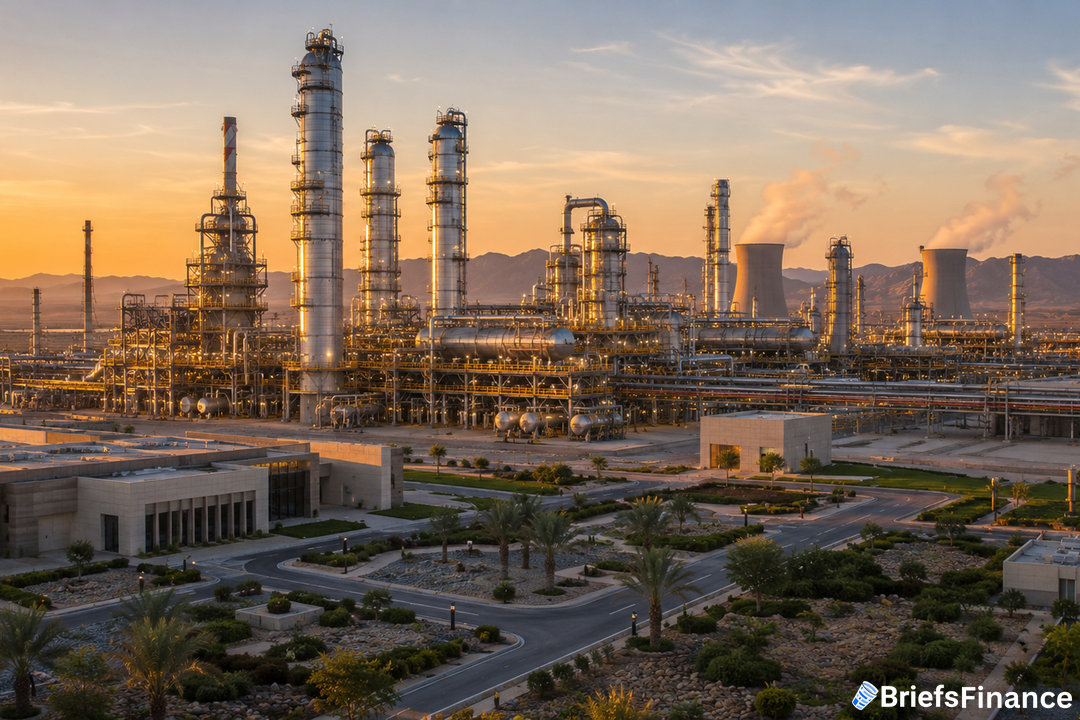
OQ holds 50% of Oman India Fertiliser Co., while Indian agricultural cooperatives IFFCO and Kribhco each own 25%. The company manufactures ammonia and urea at plants in Oman. It reported $207.4 million in revenue for the three months ending in March, with an EBITDA margin of 50.5%.
The joint venture highlights the strategic partnership between Oman and India, with the plant's output of ammonia and urea playing a vital role in Indian agriculture. The IPO proceeds are expected to fund capacity expansions and efficiency improvements, further solidifying the company's position in the global fertilizer market.
The strong demand for the IPO reflects a broader trend in the Gulf, where governments are increasingly tapping equity markets to raise capital and diversify their economies away from oil. Oman, though a smaller producer, has used listings to attract foreign investment and build a more liquid stock market. The success of this offering could encourage other state-owned entities to pursue similar transactions, further accelerating the sultanate's privatization agenda.
Subscribe to Market Briefs, our free daily newsletter, and claim your bonus investing masterclass