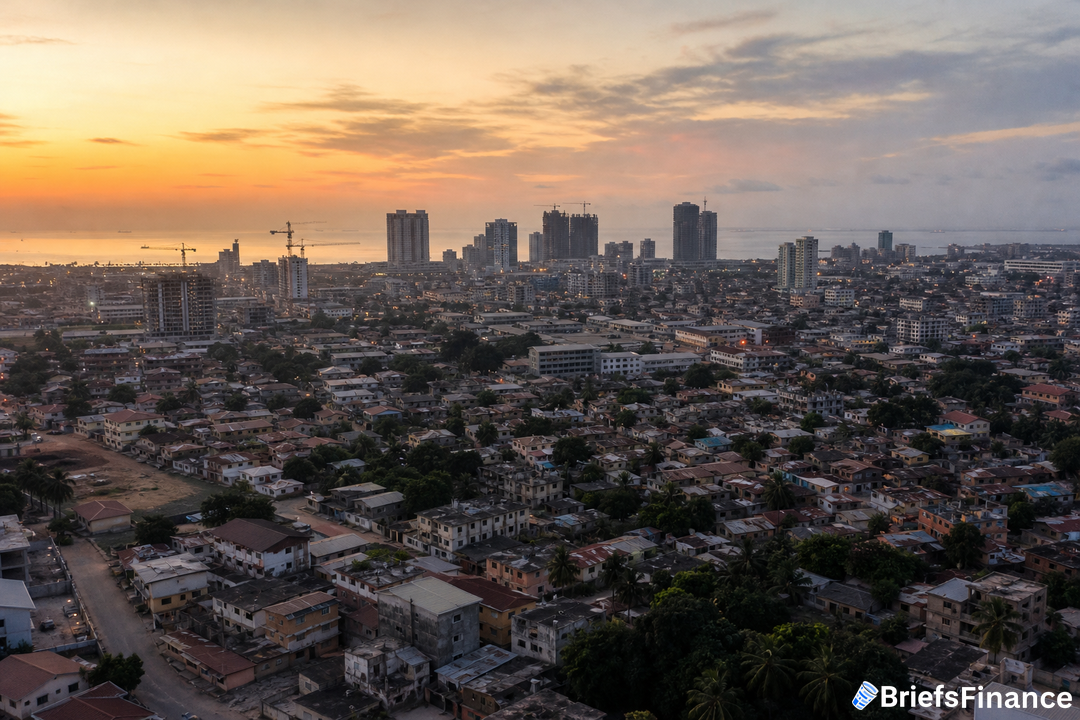
The big picture from the study
A new World Bank study describes a historic wave of urbanization across sub-Saharan Africa. It projects city populations will add 320 million residents by 2050 to reach 823 million, and that the wider urban footprint, including towns and peri-urban areas, would encompass 1.7 billion people.
Which cities change and how
The study points to five megacities by mid-century, defined as urban areas with more than 10 million people. It also highlights Luanda as likely to surpass Lagos, with one chart showing Luanda's population could rise 78 percent and potentially exceed 20 million.
Kinshasa in the Democratic Republic of Congo, Dar es Salaam in Tanzania, and Addis Ababa in Ethiopia are all expected to cross the 10 million threshold. Over the coming 25 years, Bamako in Mali is forecast to expand by 80 percent, reaching 7.6 million, and Mogadishu in Somalia is expected to climb by 64 percent - developments that would place both among the region's top 15.
Long term urban shifts influence markets, and thoughtful investors seek new tools. We're hosting our first ever investor livestream on 11/17 to show you how to use ChatGPT and Claude to invest like a pro, hosted by Briefs Finance CEO Jaspreet Singh. Save your seat.
Shifting ranks and why it matters for your portfolio
In nations that urbanized earlier - South Africa among them - their cities are projected to move down the rankings. Johannesburg is projected to increase from 7.1 million to 8.9 million by 2050 but rank eighth, compared with fifth today. Cape Town, currently 15th with about 4.5 million people, is expected to drop out of the group of the largest cities.
These rankings use a broader measure than city limits to capture urban sprawl, applied by the World Bank and the European Commission's Joint Research Centre. This helps account for South Africa's 2022 census listing Johannesburg at 4.8 million, since it omits surrounding zones including Ekurhuleni, which is a separate municipality that includes the main airport.
The bottom line: where people cluster is where consumption, housing demand, and infrastructure budgets tend to go. If your portfolio leans on African growth, watch where the map of big cities is being redrawn.
Smart investors look for ways to gain an edge with better information. On 11/17, our CEO Jaspreet Singh goes live for our first ever investor livestream on how to use ChatGPT and Claude to invest like a pro. Register to join him.