Why Toyota is kicking the tires on hydrogen now
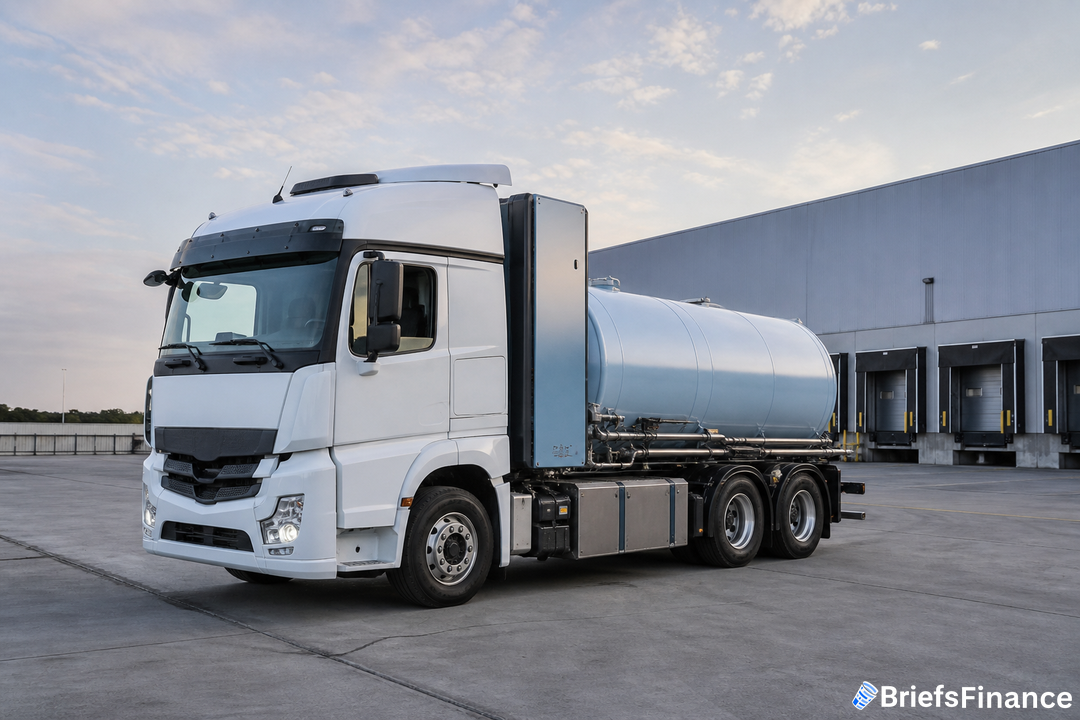
Toyota is exploring hydrogen for the trucks that shuttle components between plants and suppliers, and Vice Chairman Koji Sato says running the fuel inside its factories is on the table too. Hydrogen's appeal is widening beyond emissions. Since the Middle East conflict began in February, energy security has taken center stage as supply shocks hit Japan's auto industry. Sato framed the shift this way: a move "from going and getting energy to making it ourselves," with efforts stepping up to anchor hydrogen in Japan's strategy to strengthen resilience.
Japan was first to adopt a national hydrogen strategy, targeting 200,000 fuel-cell vehicles by 2025 and 800,000 by 2030. The reality is far smaller. By March 2025, Japan had fewer than 8,300 fuel-cell cars in operation on its roads, the Ministry of Economy, Trade and Industry said. With passenger models barely selling, officials and executives are pivoting to commercial vehicles such as trucking.
The industry push and the numbers behind it
Toyota's plans tie into its role in the Japan Hydrogen Association. As part of JH2A, the company has committed to have hydrogen make up 1% of delivery activity tied to logistics, fuel, and raw materials. The initiative counted 67 participants as of last month, ranging from banks and trading firms to insurers and local governments, pointing to growing momentum around the fuel.
Money is following. According to the Hydrogen Council and McKinsey & Co., committed global investment in clean hydrogen passed $110 billion by July 2025, an increase of $35 billion from the previous year. Still, hydrogen faces steep hurdles. Making, storing and transporting it remains costly and inefficient, which is pushing many in the field to focus more on commercial vehicles.
Sato's playbook: standardize parts, team up more
Sato wears multiple hats. He is Toyota's vice chairman and chairs the Japan Automobile Manufacturers Association, and he also served as Toyota's CEO beginning in 2023 until earlier this year, when Kenta Kon took over. In his JAMA role, he is pushing broader use of common parts standards to streamline production and lower costs.
Japanese automakers source about 70% of their parts from other manufacturers, and unique quality and safety standards across brands can burden suppliers and drive up time and expense. "This makes it difficult to shift away from a labor-intensive industry model," Sato said. Cut the number of part variants, he argued, and suppliers can automate more so "the whole industry can enjoy the fruits of our labor."
The money story behind the headlines is usually the part that matters. Join Market Briefs free and get it every morning.
On collaboration, Sato is blunt: "We can't do everything on our own anymore" and "We need to be intentional in finding ways to work together." He also said it is crucial to tailor products to each region. As Bloomberg Intelligence's Tatsuo Yoshida put it, "Rather than go it alone, there's more need now than before to rethink areas of competition and co-operation."
Rival pressure, new software alliances, and your money
Japanese brands are losing ground in China, the world's largest car market, as they struggle against a surge of capable and affordable EVs. Hybrids remain a bright spot for Toyota, while others look to partnerships. Earlier this week, Honda and Nissan reached an agreement to co-develop critical software for next-generation vehicles, and Mitsubishi Motors, already in a strategic partnership with the pair, is looking to eventually join that software agreement, according to a spokesperson.
What to watch from here: Toyota considering hydrogen for parts-hauling trucks, with factory use and use across suppliers' logistics networks as options, a coordinated push to standardize parts, and more alliances among Japan's automakers. If hydrogen gains a firmer role and suppliers lift productivity, the impact will show up in costs, resilience and the kinds of cars offered where you live.