A Wearable Name Heads for Wall Street
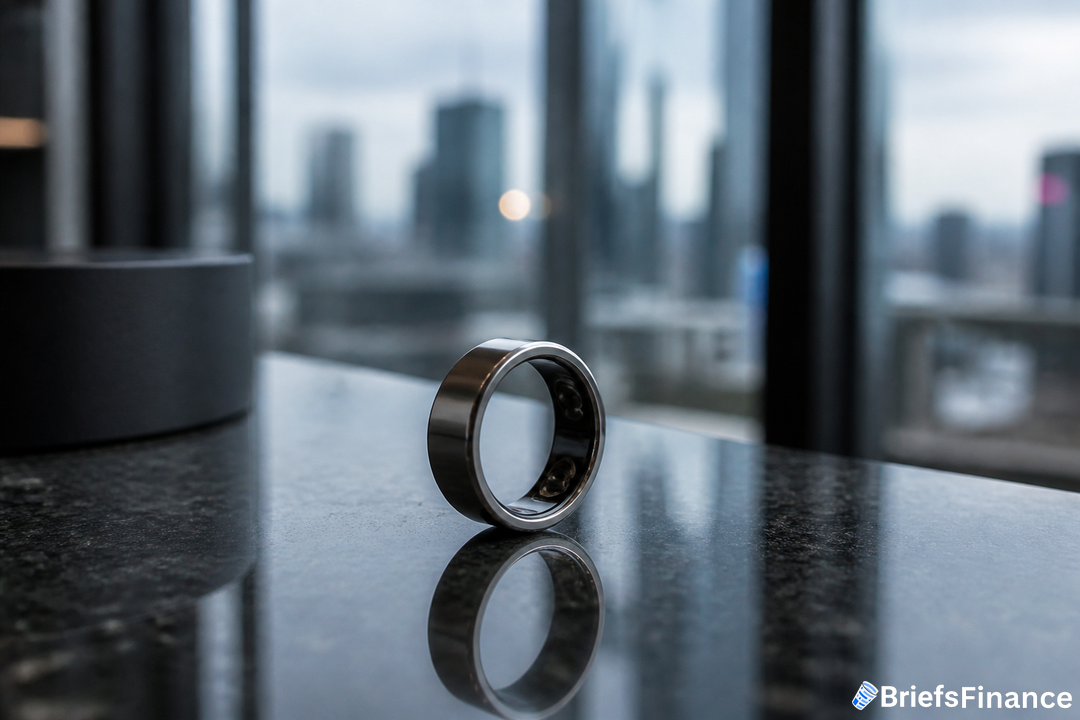
Oura is a private company based in San Francisco and Finland. It makes a wearable called a smart ring, a small device that sits on a finger and tracks health data.
Investors have been paying close attention. Bloomberg reports that Oura is planning a U.S. initial public offering, or IPO, as soon as next month. An IPO is when a private company sells shares to the public for the first time. This one could raise up to $3 billion, and it would value Oura at north of $16 billion.
The company now has more than 900 people on its team. It declined to comment on the Bloomberg report.
The Valuation Has Climbed Fast
Last September, Oura closed an $875 million late-stage private funding round, known as a Series E, at a value of $10.9 billion. That was only a few months ago, and the planned IPO would put the company well above that number.
Valuation matters because it sets the price for every share sold. A higher valuation can be exciting, but it also means the company has to grow into it once the stock trades in public.
A few minutes a day is enough to stay genuinely informed about your money. Join Market Briefs free and start tomorrow.
When a company is private, a small group of investors decides what it is worth. After an IPO, the whole market gets a vote every single day.
The September round included Fidelity, ICONIQ, Whale Rock, and Atreides. These investors include Dexcom, The Chernin Group, Forerunner Ventures, Coatue, and Temasek. Bloomberg also reported that existing shareholders are expected to sell a significant portion of shares in the offering.
That is a detail worth understanding. When early investors sell a big chunk of stock during an IPO, some of the money from the deal goes to them, not just to the company. It is not a red flag by itself, but it does add more shares to the market.
The Competition Is Not Standing Still
Oura does not have the wearables market to itself. Samsung launched its Galaxy Ring two years ago, so the category no longer belongs to one name.
The most direct rival is Whoop. Whoop started as a fitness band company focused on athletes, then broadened its audience. In March, it reached a $10 billion valuation. That puts Oura and Whoop in a similar weight class as private companies, with Samsung already in the mix.
What It Means for Your Money
If this deal happens, everyday investors will get a chance to buy into one of the more talked-about corners of the health market. Up to now, most of the early ownership in this space has been in private hands.
One of the biggest shifts is that Oura's financials will become public. Once the company lists, anyone can see how much money it makes, spends, and loses, and that information will help drive the stock price.
The flip side is that the market already knows the story. The $16 billion valuation includes a lot of optimism, and Oura has to keep growing while Samsung and Whoop push back.
The next few months will tell the real story. The final IPO price, the size of the insider sale, and the company's growth plans will matter more than the ring itself.
Rates, prices and policy all end up in your budget eventually. Get the free Market Briefs daily newsletter and see it coming.