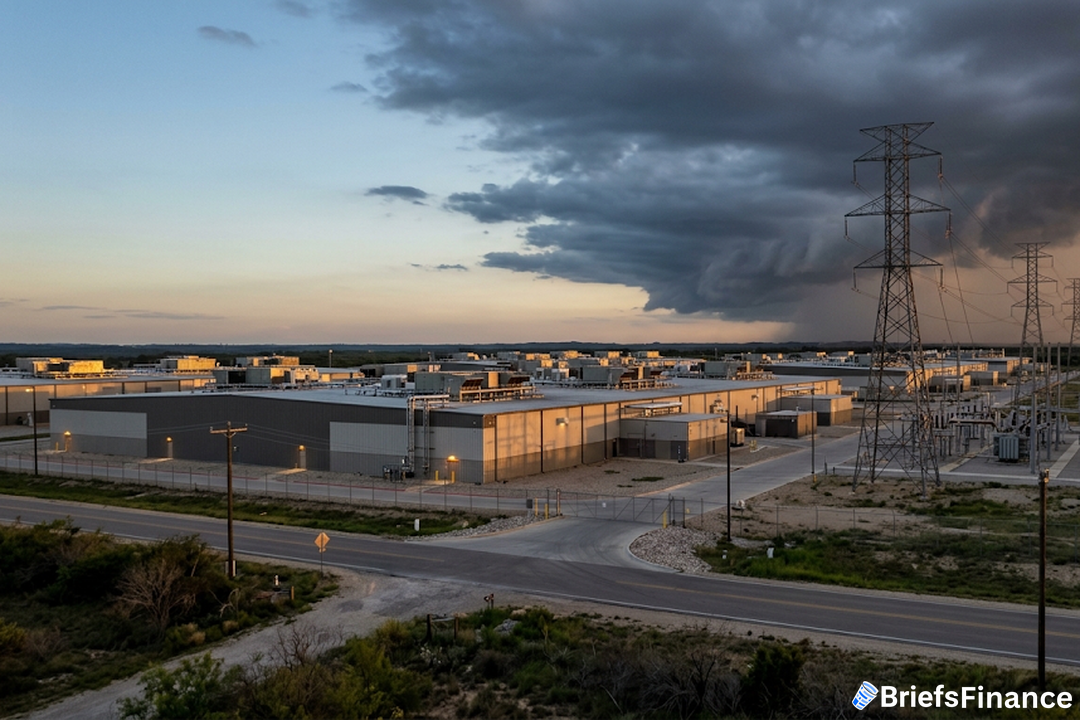
A Calm That Feels Familiar
The VIX is a number that tells you how much turbulence investors expect in the stock market over the next month. It uses option prices to make that call. When it drops, it usually means people are feeling good about the market.
On Friday, it fell to 14.2, the lowest level of 2026. The market is up about 16% for the year, and other major indexes are at record highs. So far, so good.
But some market watchers are not so sure the good times will last. They see a market that has not had a real scare in months, and they wonder if investors are getting too comfortable.
Understanding what moved a market beats knowing that it moved. Get the free Market Briefs daily newsletter and follow the drivers.
History Has a Pattern
Jonathan Krinsky, chief market technician at BTIG, has looked at the calendar. Since 1990, each midterm election year has seen the equal-weight index drop by 7% or more from its mid-August average high by mid-October. That is a consistent pattern, and it lines up with where we are right now.
The market has also gone an unusually long time without a big down day. Normally, there are about 21 sessions a year where 80% of the volume is on the downside. So far, the market has not had a single one since last October. The previous fewest on record was five.
He adds, "Unfortunately, history says don't get too comfortable as we enter the worst part of the calendar during mid-term election years." He also suggests that now could be a good moment to reduce risk or consider hedging broad stock positions.
What Could Go Wrong
The risks are not hard to find. The Middle East remains tense, with pressure around the Strait of Hormuz unresolved. July retail sales fell 0.6%, a surprise drop that suggests consumers are starting to feel strain. Even with dovish readings on jobs, inflation, and producer prices, long-term Treasury yields are still near cycle highs.
Axel Rudolph, a market analyst at IG, notes that the market has seen 12 straight weeks of equity fund inflows. But he says, "Markets are starting to look a little too comfortable given the risks still lurking beneath the surface." He also points out that two-month implied volatility is around 13.5%, close to pre-Iran-conflict levels.
For regular investors, the takeaway is not to panic. It is to recognize that calm markets do not stay calm forever. Knowing that the fall has historically been a rough patch for stocks might help you prepare for the possibility of a bumpy ride, even if the road looks smooth right now.
A few minutes a day is enough to stay genuinely informed about your money. Join Market Briefs free and start tomorrow.