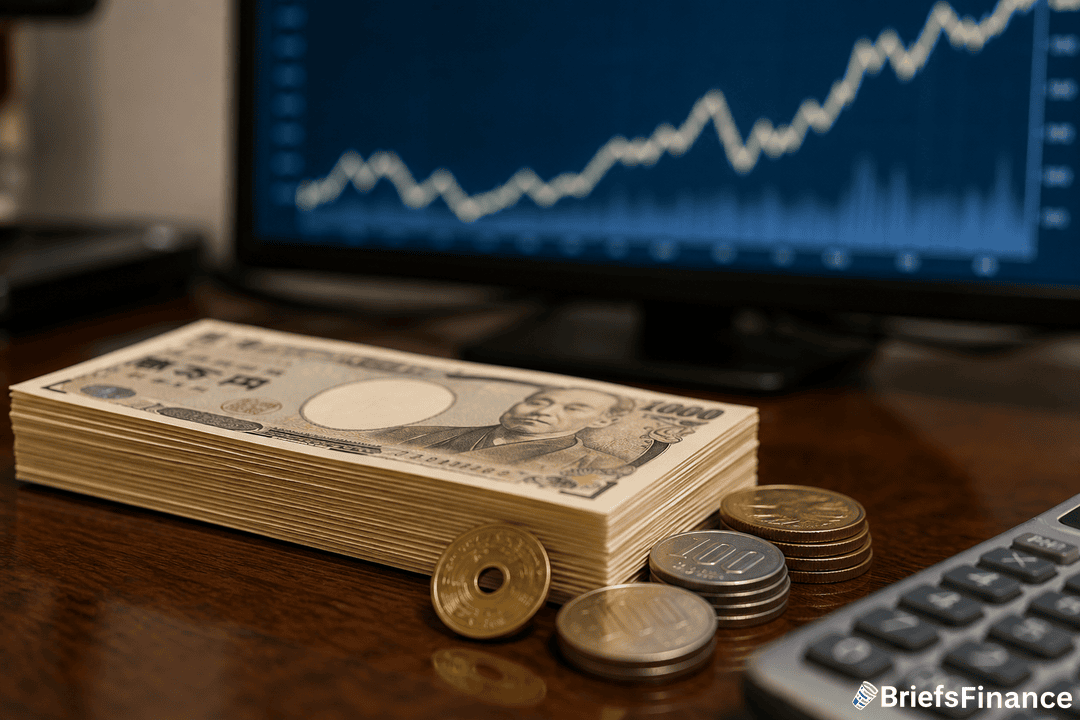
The dollar is sitting at 159.36 yen right now, a move of just 0.09%. But the quiet number hiding behind that calm price could end up being a much bigger story for your portfolio. The intervention, which propped up the yen for the first time since 1998, happened after July 31 market turmoil.
The Letter and the Questions
That fund is a Treasury account designed for currency interventions, but Warren wants to know if this use actually fits the law.
Bessent has indicated the operation involved selling euro reserves held in the fund.
The Argentina Connection
This is not the first time Warren has pushed back on Bessent's currency moves. In fall 2025, Bessent used the same fund to intervene in the Argentine peso market for President Javier Milei. Warren called that move a "politically driven, taxpayer-backed bailout" and demanded scrutiny at the time.
If currency moves like this make you wonder about your portfolio, grab the free Always Be Buying eBook for a simple plan.
Bessent has said the U.S. actually made money on the Argentina support, but the Treasury has not released the details to back that up. That lack of transparency is part of what has Warren worried this time around.
"Congress intends for these authorities to be invoked judiciously to advance the national interest," Warren wrote. "Please provide the administration's legal analysis."
Why This Matters for Your Money
Bessent confirmed that the U.S. and Japan intervened together to support the yen, though he has not said how much was spent. Earlier this month, he told CNBC he had assured European officials the operation was "just a reallocation of our reserves." The Financial Times reported that the ECB learned of the operation only after it had already taken place.
Here is where it gets relevant to your wallet. Japan is the largest foreign holder of U.S. Treasuries. Analysts think Bessent intervened partly to stop Tokyo from selling its Treasury stash, which could have pushed U.S. yields higher and made borrowing more expensive across the economy.
Warren's letter also asks how Japanese market turmoil could affect American jobs, pay, and financial stability. That is the question that matters most. When a major economy like Japan gets rattled, it does not stay contained. It ripples through global markets, and eventually it shows up in your portfolio.
The bottom line: The Treasury is using taxpayer-backed funds to move currency markets, and the full details are still murky. Warren's letter, dated Aug. 13, is the latest push to force those details into the open before the Aug. 28 deadline. As of August 14, 2026, the Treasury has not said whether it will comply. For investors, the takeaway is simple: when the government starts playing in currency markets, it is worth paying attention to what it is doing with your money.
When market headlines get noisy, the free Always Be Buying eBook shows how steady investing can build wealth.