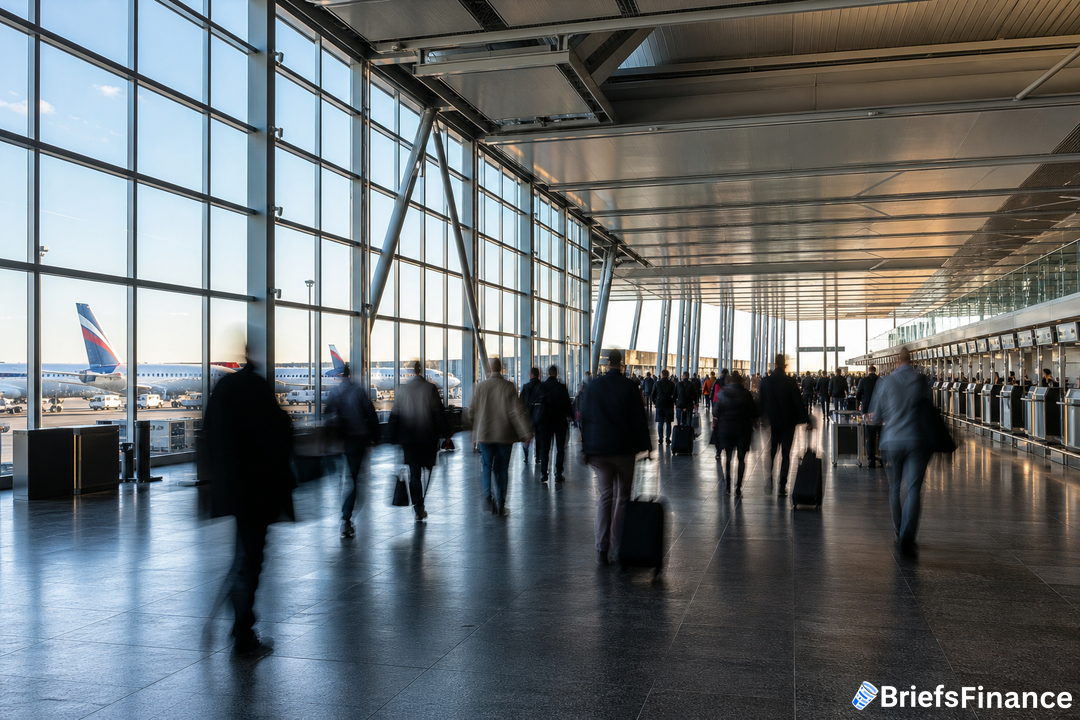
The Numbers Behind the Airport's Busy First Half
Hong Kong's airport saw passenger traffic climb 11.7% year over year in the first half, according to Financial Secretary Paul Chan. In a blog on Sunday, Chan wrote that a wide range of events in the Asian financial hub drew additional visitors. He added that the city is strengthening its position as a global aviation center.
Chan provided the key figures in his blog. In the first six months, the airport recorded more than 200,000 aircraft movements, a 4.4% annual increase. Passenger traffic reached 32.8 million during the same period. During the initial seven months of 2026, visitor arrivals reached 31.2 million, a 12% annual gain.
The airport's first-half performance is a key indicator of Hong Kong's broader tourism recovery. The city has leaned on large-scale events to attract travelers, and the latest figures show that strategy is showing up in passenger traffic and visitor spending. With more than 100 events scheduled for the second half, officials expect the momentum to continue supporting hotels, retail, dining, and related businesses.
With all those events drawing crowds, the same habit of showing up regularly can build your wealth, so grab the free Always Be Buying eBook.
The airport's performance also reflects a broader trend across the region, where travel demand has rebounded strongly after the pandemic. Hong Kong's strategic location and its status as an international financial center have long made it a key transit point for business and leisure travelers. The recent surge in passenger numbers is not only a sign of recovery but also a testament to the city's aggressive push to host major events, from conventions to sports tournaments.
These events not only attract visitors but also encourage longer stays and higher spending, benefiting the entire tourism ecosystem. Moreover, the government's investments in airport infrastructure, such as the three-runway system, are designed to handle future growth and maintain Hong Kong's competitive edge against regional rivals. As the second half unfolds, the city's ability to sustain this momentum will depend on its capacity to deliver memorable experiences and seamless travel.
A Look at the Second Half
For the rest of 2026, Chan said in last week's blog that the city anticipates over 1.85 million visitors across more than 100 events. Chan estimates these events will drive spending of roughly HK$5.9 billion and economic value of HK$3.3 billion.
That outlook builds on the momentum from the first half, when visitor arrivals rose 12% and passenger traffic climbed 11.7%. With over 100 events planned, the city expects the second half to remain busy. The forecast also underscores how important events have become to Hong Kong's economy.
The Bottom Line
Hong Kong's long-standing role as a gateway between East and West makes its airport a critical asset for global travel. The city's push to host large-scale conventions, sports, and cultural events is not just about filling seats - it is a deliberate strategy to diversify its economy and reinforce its standing as a premier aviation hub. The surge in passenger traffic this year aligns with government efforts to expand infrastructure and foster partnerships with international carriers, ensuring Hong Kong remains a top destination for both business and leisure travelers. As the second-half calendar fills up, the airport is poised to keep benefiting from this sustained flow of visitors.
Visitor numbers keep climbing, and so can your savings if you invest steadily, which is exactly what the free Always Be Buying eBook shows.