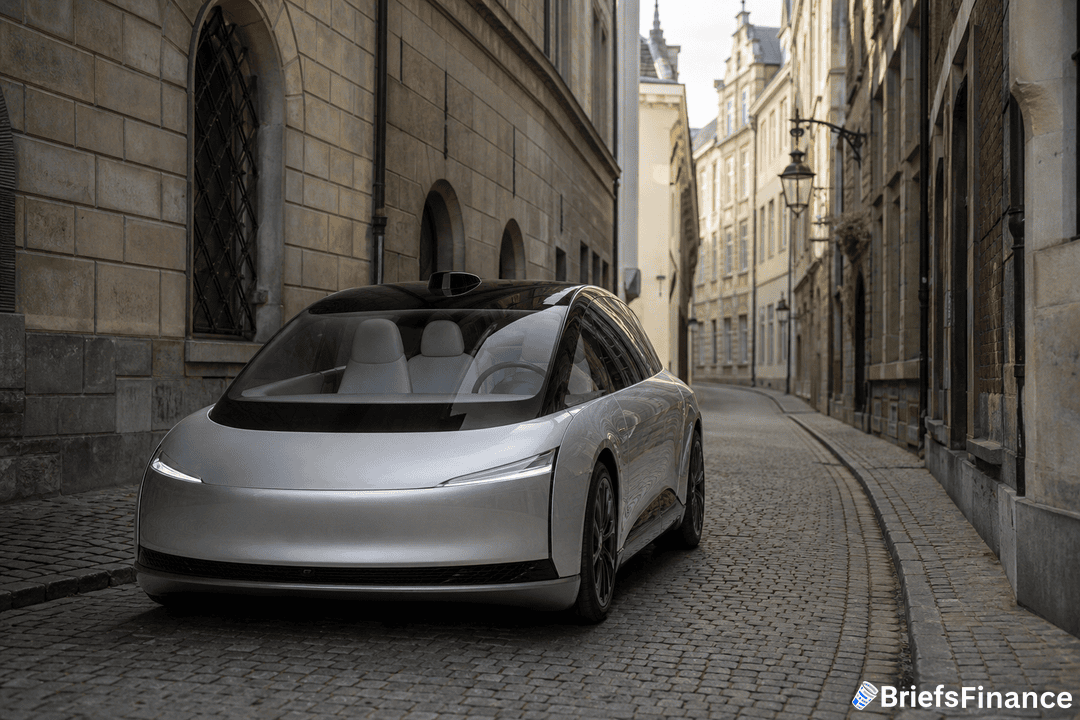
A New Front in the Robotaxi Race
Uber is teaming up with Pony.ai, a Chinese self-driving tech company, to put 2,000 robotaxis on European roads. The deal also covers the Middle East, though the companies did not say which cities or when the rollout will happen.
The partnership already has a starting point. At the end of March, the two companies began what they call Europe's first commercial robotaxi service in Zagreb, Croatia. Now they are adding four more European cities to the plan, but they are keeping the names and timing under wraps for now.
If you are wondering why this matters, look at who else is already in the game. Waymo, which is backed by Google's parent company Alphabet, runs about 5,000 vehicles, mostly in the U.S. Waymo is also testing in London and planning to launch in Tokyo. In June, Waymo reportedly registered business entities in four major EU economies, which is a strong hint that it wants a bigger European footprint.
The Competition Is Coming From All Sides
Uber and Pony.ai are not the only ones chasing this market. Chinese companies Baidu Apollo Go and WeRide are speeding up their own European plans.
As robotaxis reshape how we move, grab the free Always Be Buying eBook to build wealth while you ride the trend.
WeRide and Uber are setting up a robotaxi pilot in Madrid later this year, which would be the first for Spain. The two companies already work together in Abu Dhabi and Dubai, so they have a working relationship to build on.
Uber is also testing closer to home. Its Japanese subsidiary signed a deal with a local taxi operator to handle daily fleet management for a Tokyo test later this year.
Uber CEO Dara Khosrowshahi has made it clear where the company wants to go. He said Uber aims "to become the world's leading commercialization platform for autonomous vehicles." In plain terms, Uber wants to be the go-to app that connects riders with self-driving cars, no matter which company built the technology.
Khosrowshahi also talked about the data side of the business. He said Uber wants to gather "a super set of data" to share with its partners. That is a smart play. The more miles these cars drive, the more information Uber collects about roads, traffic, and rider behavior, which makes its service more valuable to every partner it signs.
What This Means for Your Money
The robotaxi market is moving from science fiction to everyday reality, and it is moving fast. Europe is becoming a key battleground, with Uber and Pony.ai pushing in from one side while Waymo and Chinese firms close in from the others.
The bigger story is about how transportation companies are positioning themselves for a future where human drivers are optional. Uber is betting that it can be the platform that ties it all together, rather than building its own cars from scratch. That approach spreads the risk and lets Uber focus on what it does best: connecting riders with rides.
The real question is who wins the race for scale. Uber and Pony.ai are bringing 2,000 cars to a market that is still wide open. If they can get there first and build rider trust, they could lock in customers before anyone else has a chance.
For your portfolio, this is a story worth watching from both sides. The companies building the technology and the platforms connecting riders will both have a say in how this plays out.
With self-driving cars changing everyday life, download the free Always Be Buying eBook and start investing steadily today.