What happened and where it stands
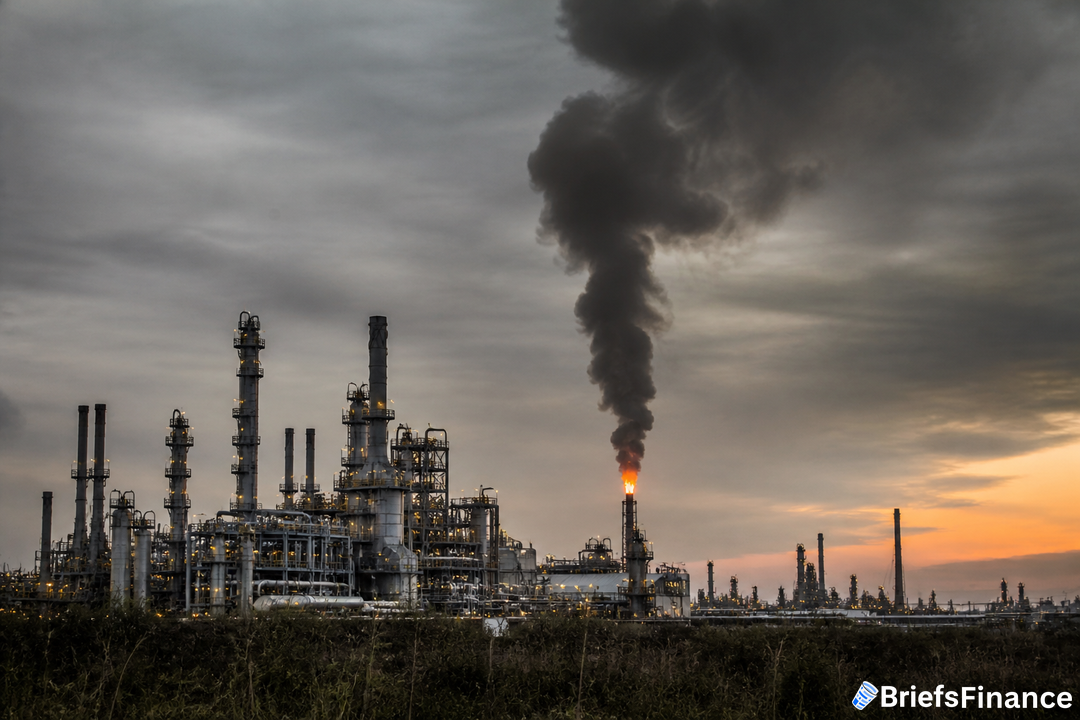
Ukraine's General Staff said on Telegram that its forces struck Lukoil's Volgograd refinery overnight, setting off a blaze and damaging multiple units, including four main processing trains and a hydrotreatment unit, plus six storage vessels and the loading rack. The site sits in the Volga region.
Lukoil had not replied to Bloomberg's inquiry at publication time. Earlier, regional governor Andrey Bocharov reported drone attacks in Volgograd's southern industrial area, where the refinery is located, and said a fire broke out. He did not confirm a refinery hit or detail the extent of damage.
The facility is around 900 kilometers, or 560 miles, from Moscow and is designed to handle about 300,000 barrels of crude per day.
A broader campaign and its limits
Kyiv has returned to near daily strikes on Russian oil infrastructure. Since the start of November, nine refineries have been hit, a list that includes Omsk - Russia's largest - according to Bloomberg's tally drawn from statements by authorities in Russia and Ukraine and individuals familiar with the incidents. Those sites have nameplate capacity totaling roughly 2.6 million barrels a day, or almost 40% of Russia's total crude processing, based on government figures.
Not all of that capacity is necessarily offline. After earlier drone hits, some Russian refineries kept operating at reduced rates. Assessing the full impact is harder because Russia has placed nearly all oil-related statistics under secrecy since the invasion.
Unexpected global events remind investors that having timely tools can make a difference. We're hosting our first ever investor livestream on 11/17 to show you how to use ChatGPT and Claude to invest like a pro, hosted by Briefs Finance CEO Jaspreet Singh. Save your seat.
Market strain, rationing and policy responses
Repeated drone strikes are adding pressure to Russia's refining system, and some regions have already reintroduced fuel rationing. During the summer, a comparable wave of strikes led authorities in Moscow to halt the bulk of diesel, gasoline and jet-fuel shipments abroad and to encourage imports of certain petroleum products.
On Friday, the International Energy Agency stated in its monthly oil market outlook that Ukraine's ongoing attacks through year-end will leave Russia's oil-processing operations "severely curtailed," and that the strikes are eroding Russia's ability to export diesel.
Diplomacy, escalation and why investors care
Ukraine resumed its refinery campaign in late October after almost two weeks of a lull that overlapped with appeals for restraint from US President Donald Trump, who was attempting to reduce fuel prices ahead of the midterm elections. The renewed strikes, intended to cut the Kremlin's energy income that funds the war, are unfolding as the US intensifies mediation: earlier this week, White House envoys met separately with Vladimir Putin and Volodymyr Zelenskyy. Ukraine welcomed progress, while the Kremlin said it expects another round "fairly soon."
At the same time, Moscow keeps targeting Ukrainian infrastructure - from ports and power plants to rail lines, water systems and homes. Those attacks on agricultural assets are damaging a leading source of Kyiv's export revenue and pose risks to food security.
The bottom line: more refinery disruptions and rationing can shift Russian refined-product exports and global fuel balances, which can move crack spreads - the margin to turn crude into fuels - and sway earnings for energy producers and refiners.
Smart investors seek practical ways to sharpen their edge when uncertainty arrives. On 11/17, our CEO Jaspreet Singh goes live for our first ever investor livestream on how to use ChatGPT and Claude to invest like a pro. Register to join him.