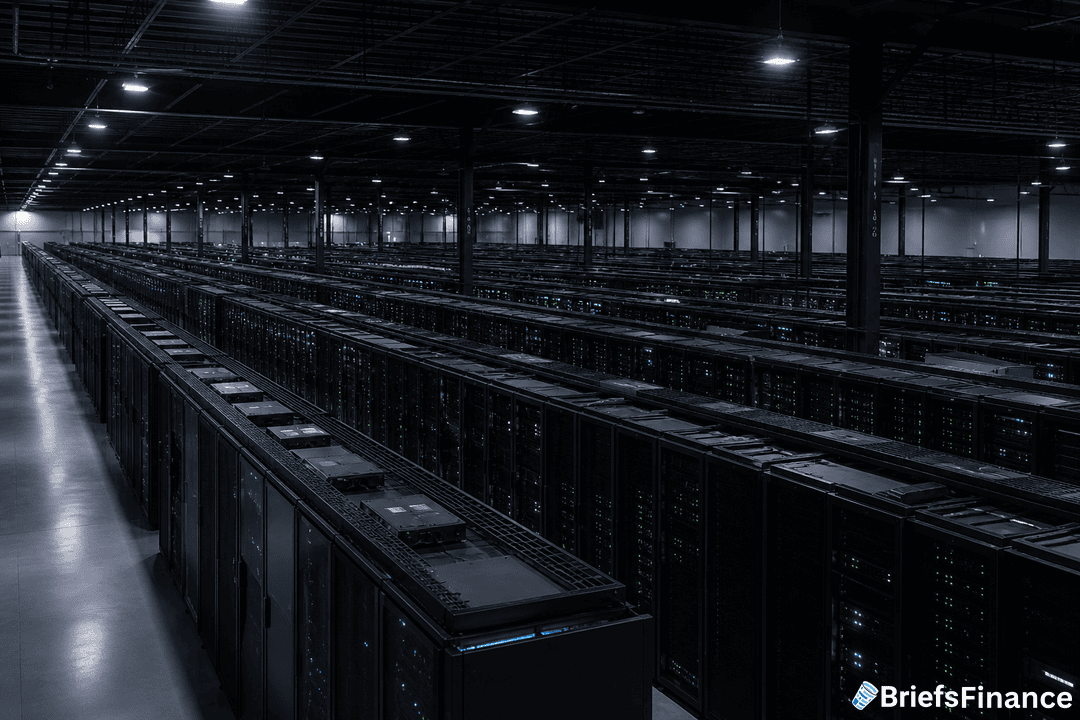
The artificial intelligence boom needs more than clever software. It needs physical stuff - data centers, power lines, and cooling systems - and that stuff costs real money.
Nvidia, the chipmaker at the center of the AI gold rush, is now working with private equity and investment firms to secure over $500 billion in outside funding for AI infrastructure. Partners include Apollo, Blackstone, BlackRock, Brookfield, KKR, and Goldman Sachs.
CEO Jensen Huang has a memorable way of framing it. He calls the company's chips an "investable infrastructure asset," which is a fancy way of saying investors can now bet directly on the hardware that powers AI.
The Debt Is Hiding in Plain Sight
Here's the catch with all this spending. The biggest tech companies - the ones called hyperscalers because they operate massive cloud and data networks - are using joint ventures and leasing deals to finance their building sprees. These arrangements let them avoid putting the full debt on their balance sheets right away.
About $1 trillion of the $1.5 trillion is "uncommenced" leases, meaning the payments are owed but haven't shown up in financial statements yet.
The Goldman team warned that this setup "can understate leverage and future liquidity needs as these obligations are eventually recognized and contractual payments come due." In plain terms: the bills are coming, and the official numbers may not tell the whole story.
If the cost of AI's expansion worries you, the free Always Be Buying eBook shows a steadier path to wealth.
PIMCO's Lotfi Karoui put the scale in perspective. He said the AI capital spending cycle could be the largest since 19th-century railway construction, adjusted for inflation. Consensus forecasts expect hyperscaler capital spending to exceed $1 trillion annually starting in 2027.
When Leverage Bites
Leverage - borrowing money to make bigger bets - works great when prices go up. It hurts when they don't.
Citadel, run by Ken Griffin, bought Situational Awareness's publicly traded positions at a discount.
JPMorgan CEO Jamie Dimon told CNBC that margin debt - money investors borrow to buy stocks - is "pretty high." That's a notable warning from one of Wall Street's most respected voices.
But not everyone sees leverage as the biggest threat. Ninety One's Sahil Mahtani argues that high earnings expectations, not borrowing, are "the main risk" to markets. He described the situation as "an expectations problem rather than a leverage problem," pointing to "high and rising earnings in the years ahead" as the real question mark.
Mahtani also flagged something else: market concentration. "The big equity indices are extremely concentrated, and no one thinks anything could possibly derail them," he said.
The hedge fund industry pushed back on the idea that this is a systemic problem. AIMA, a trade group for hedge funds, said there's no evidence hedge fund leverage poses a systemic risk. A spokesperson noted that the Situational Awareness case is "a relatively contained case study" and that it's important to avoid treating various market events as one phenomenon. The 2022 UK gilt crisis had its roots in pension fund strategies, whereas Archegos operated as a family office rather than a hedge fund.
What This Means for Your Portfolio
So what should a regular investor make of all this? The AI boom is real, but the financing behind it is getting more complicated by the day.
Issuers are diversifying their debt sales into euros, sterling, yen, Swiss francs, and Canadian dollars, which spreads the risk across currencies and markets. That's a sign the borrowing is becoming more global and more complex.
The timeline matters too. Watch for key dates like Aug. 6, Aug. 11, and Aug. 14 2026, when some of these financial arrangements may come due or face new scrutiny. The gap between what's on the books and what's actually owed is where surprises tend to hide.
For everyday investors, the lesson isn't to panic or to jump in. It's to understand that the companies powering AI are taking on risk you can't always see in their quarterly reports. The technology may change the world, but the bills still have to be paid. And right now, a lot of those bills are stacking up behind a door that's only slightly ajar.
When big debts make markets feel shaky, the free Always Be Buying eBook helps you stay consistent and build anyway.