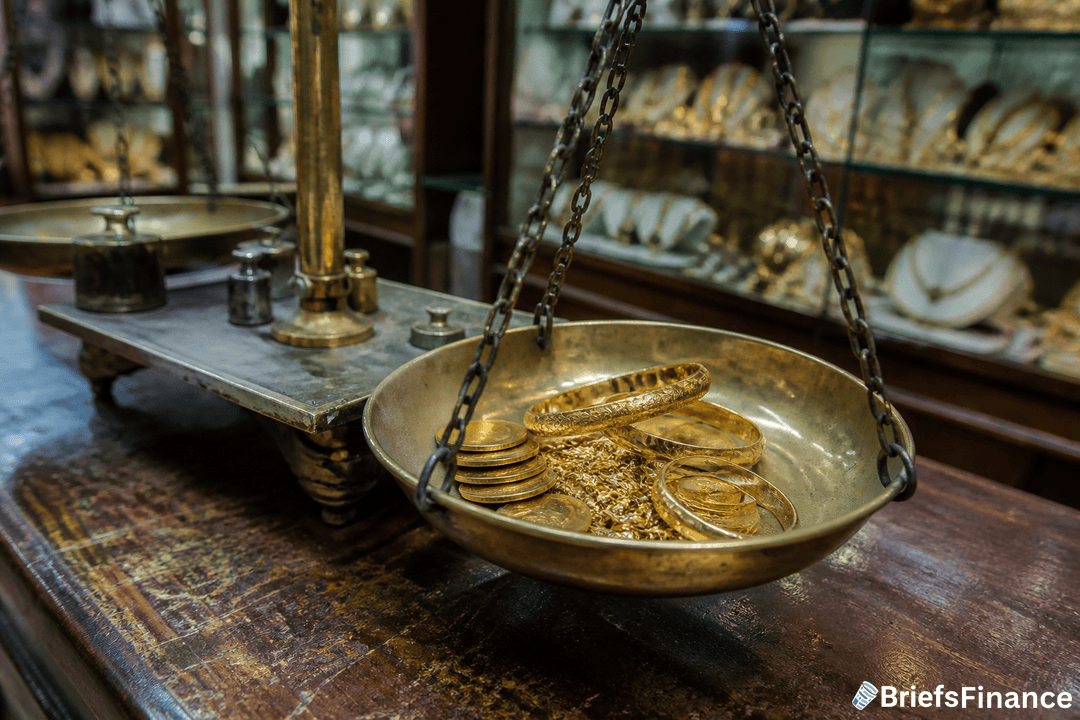
What is happening on the ground
With prices still lofty, more buyers are cutting invoices out of the picture to shave costs on bullion and ornaments. Dealers who take cash can avoid taxes and kick some of those savings back to customers, which helps explain the appeal.
One buyer, Anuradha, a 55-year-old homemaker, said she picked up wedding jewelry for her daughter without a receipt and got 5,000 rupees ($52) off per 10 grams. "It was an offer I couldn't refuse. Gold prices are way too high and we trust the jeweler," she said. Prices hit a record earlier this year, and even after easing remain almost 28% above where they were a year ago.
How the discounts stack up
Five individuals with knowledge of the trade said cash-paying bulk buyers can knock as much as 6% off prevailing prices. At the retail counter, some shoppers are securing cuts up to 10,000 rupees per 10 grams, tied to how hard they bargain and their rapport with the jeweler, the people said.
Informal-market traders have sourced metal at up to $200 an ounce below prevailing domestic prices, those people said. By comparison, consultancy Metals Focus estimates the average markdown on officially imported gold was about $50 an ounce in September. "A discount of that magnitude in the parallel market primarily reflects the economics of unofficial supply," said Hiren Chandaria, managing director for Middle East and Asia operations at London-based Monetary Metals. "Higher import duty creates a significantly greater incentive for gold to enter outside the official duty-paid channel."
Keeping some of your savings secure and growing takes calm planning and steady choices. Join Briefs Finance CEO Jaspreet Singh on September 29th for a FREE live investor workshop, How to Profit From A Dollar That's Losing its Value, where he shows how we're spotting investment opportunities as the dollar falls. Save your spot.
Why policy and the calendar matter
The rebound in under-the-radar purchases came after the government more than doubled the tax on gold and silver imports to 15%. Retail customers also pay a 3% goods and services tax. India, the No. 2 consumer after China, buys gold for births, festivals and especially weddings, where it doubles as adornment, gifts and household savings. With little mined locally, India relies on imports for most of its needs, pressuring the trade bill and the rupee.
Gold is India's largest import after oil and a big swing factor in the external balance. In July, the trade deficit widened to almost $32 billion, the highest this year. Across the four months ending in July, the cost of gold imports was up by over 32% versus a year ago, which led Prime Minister Narendra Modi - making his second such appeal in five months - to ask Indians to curb buying to protect foreign-exchange reserves. Even so, August imports fell to under 50% of what they were a year earlier.
The unofficial market has long existed, but when import duty was 6% there was less reason to bypass formal channels. The steeper duty has rekindled the gray-market business, and it is booming in the run-up to the wedding and festival period that begins in mid-October and continues through early March. "At today's gold prices, even a relatively small percentage difference translates into a significant absolute cost difference in rupee terms," Chandaria said.
The bottom line for your wallet
If you are seeing more neighbors whispering about "no bill" deals, it is the tax math showing up in the real world. High duties, a busy wedding and festival stretch, and still-elevated prices are pushing buyers to hunt for every possible discount. You do not need to play in the shadows to notice the takeaway: when policy shifts, so do the price gaps that shape where and how everyday people buy.
A thoughtful approach to protecting wealth helps you stay confident through change. Our CEO Jaspreet Singh is hosting a FREE live investor workshop, How to Profit From A Dollar That's Losing its Value, on September 29th. Sign up free to join him live.