What OQ Is Actually Considering
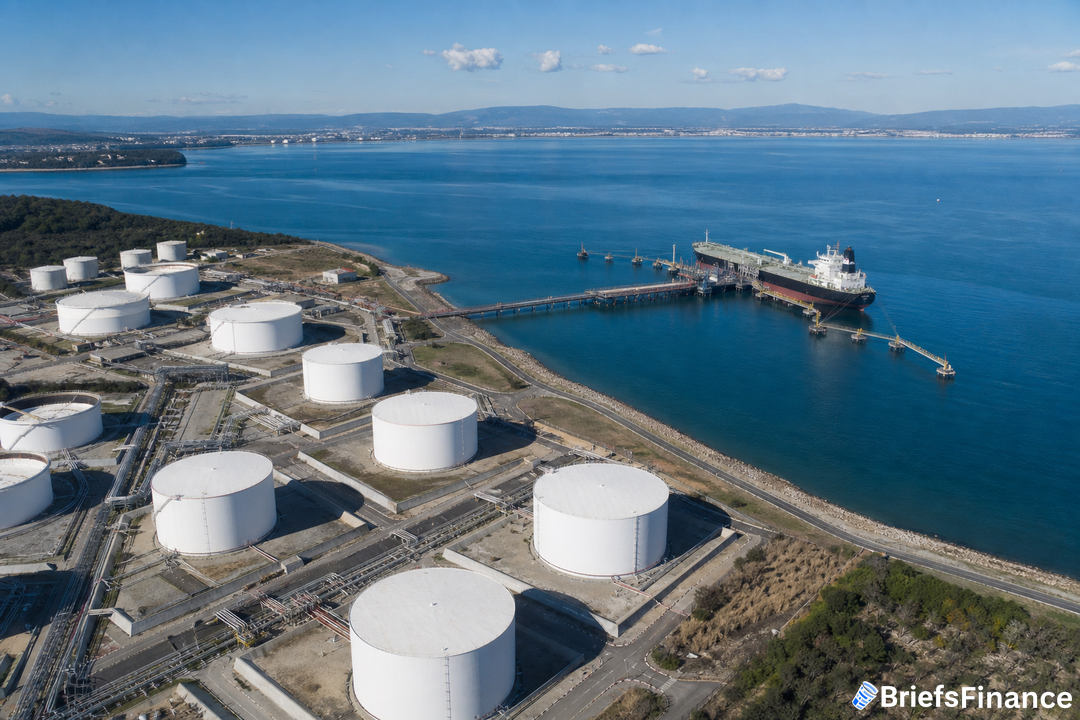
OQ SAOC, Oman's state energy firm, is assessing the purchase of two very large crude carriers to use as floating storage moored at Duqm, CEO Ashraf Al Mamari said. The company is weighing the steep price tag of the ships against potential storage income, with a decision targeted later this year. If OQ proceeds, setting up the vessels for storage service at Duqm would take about six months, according to Al Mamari.
On land, OQ plans to lift Duqm's crude tank capacity from about 5 million barrels today to 10 million barrels over the next three years. The long game is bigger still: Oman wants the onshore tank farm there to eventually handle roughly 40 million barrels.
Why Duqm Matters
Perched on the Arabian Sea, Duqm gives customers a way to access oil without relying on passages through Hormuz. Storage points beyond the strait have grown in importance as the region's core shipping lane has been disrupted by the war in the Middle East. In recent months, producers including the United Arab Emirates and Saudi Arabia have moved ships through the strait with transponders turned off and have been looking at alternative pipeline routes.
Duqm has long been viewed as a possible end point for a cross-peninsula pipeline that could move crude from fields in countries such as Saudi Arabia or Kuwait, but none of those projects has advanced. The hub already hosts a refinery developed with Kuwait's state oil producer as a joint-venture partner.
Big infrastructure plans remind investors that protecting capital needs thoughtful long term planning. Join Briefs Finance CEO Jaspreet Singh on September 29th for a FREE live investor workshop, How to Profit From A Dollar That's Losing its Value, where he shows how we're spotting investment opportunities as the dollar falls. Save your spot.
How Governments, Pipelines And Costs Are Responding
"In terms of the pipelines, the message from Oman is, we are open of course, but they are very much early stage discussions," Al Mamari said, noting talks are government to government and he does not have details. Following the blockage of Hormuz, Saudi Arabia and Kuwait said they are exploring pipeline alternatives without specifying plans. According to Saudi Aramco CEO Amin Nasser, the company is evaluating other options beyond its customary export corridors via the Red Sea and the Persian Gulf. The United Arab Emirates intends to add more pipeline capacity linking to its Fujairah oil hub outside the Strait of Hormuz.
Meanwhile, shipping has gotten pricier. With war risk pushing vessels to avoid flashpoints, freight costs have surged, and chartering the largest tankers on the Persian Gulf to China route jumped above $1 million a day.
What This Means For Your Portfolio
If OQ executes on floating and onshore storage at Duqm, it gives oil buyers and sellers more flexibility outside Hormuz while governments debate longer pipeline fixes and freight stays elevated. For everyday investors, that mix of new storage capacity, rerouted flows and higher shipping costs flows through to the energy prices that show up at the pump and on your utility bill.
Access to diverse storage and strategies can help steady and grow your wealth. Our CEO Jaspreet Singh is hosting a FREE live investor workshop, How to Profit From A Dollar That's Losing its Value, on September 29th. Sign up free to join him live.