The plan and the pushback
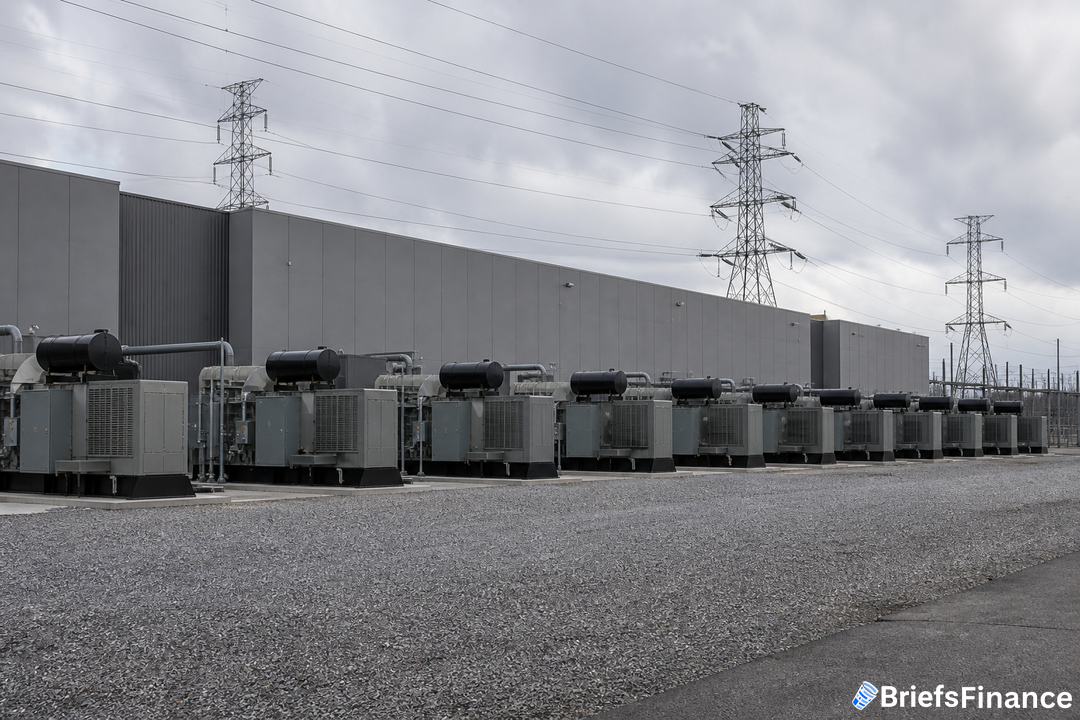
Planning papers filed by ACRE Slough Ltd for the Pinewood Nurseries site west of London outline about £570 million in investment. The application, submitted to Buckinghamshire Council in August, says the team has applied for a firm electricity connection but the team anticipates it could be a minimum of 10 years before a firm connection comes through, given wider capacity constraints. Earlier this month, Stoke Poges Parish Council lodged an objection, pointing to worries about air quality, carbon output and noise from the proposed gas engines and diesel generators, especially given nearby homes and a hospital.
The location sits just north of Slough, where a dense cluster of data centers has added strain to the local grid. Developers still favor the area thanks to its proximity to London and strong fiber connectivity.
Why gas is back on the table
When power networks cannot deliver the megawatts on schedule, operators look to stopgaps. At Pinewood, on-site gas units are meant to bridge the gap until grid capacity arrives. Once a firm connection is in place, the generators could shift to backup or provide network services, or be taken out entirely.
ACRE's filing concedes the project would bring some climate and landscape harm, but argues the need for additional data capacity and the economic benefits tip the balance. The company did not provide a comment right away when asked.
Developers elsewhere are making similar moves. In the US, plans now include upward of 120 gigawatts of gas-fired capacity installed on site, BloombergNEF reports. And near Pinewood, a planned campus at Wapseys Wood in Buckinghamshire has included on-site gas in its design to allow operations to begin ahead of sufficient grid capacity.
When projects face delays, a steady plan helps protect and grow your savings. Join Briefs Finance CEO Jaspreet Singh on September 29th for a FREE live investor workshop, How to Profit From A Dollar That's Losing its Value, where he shows how we're spotting investment opportunities as the dollar falls. Save your spot.
The connection crunch and the policy pivot
Prime Minister Andy Burnham has made grid delays a priority, and on Monday the government said the state-run GB Energy will set up a new unit called GB Grid, which will put capital into electricity networks and aim to get businesses connected more quickly. The plan would also give companies more ability to build their own connection infrastructure, with GB Grid able to back and co-invest. The government said a comparable approach in Ireland cut average timelines by 11 months.
The queue is real. Ofgem reports that requests for power connections rose from 41 gigawatts to 125 gigawatts in the window spanning November 2024 to June this year, with data centers driving much of the rise. To unclog the list, the regulator is proposing commitment fees and milestones aimed at pushing speculative projects out. Ofgem also opened a review last week into the rules for connecting to and using Britain's gas networks, citing pressures from new energy-hungry users.
Gas networks, timelines and safeguards
Interest in gas hookups is rising fast. Between August 2024 and July 2025, a Cadent-commissioned study by Stonehaven logged 86 official requests made to gas distribution networks by prospective data-center operators. The report indicates that new gas connections usually take 12 to 18 months to deliver. Cadent has called for allowing gas networks to invest in advance of expected data-center demand, alongside "use it or lose it" safeguards to shield consumers if projects do not proceed.
What this means for your money
If you care about where the internet lives, this is your power bill talking. Longer waits for grid capacity are nudging developers to build their own solutions, which can change timelines, costs and community relations. Watch how quickly GB Grid stands up, how Ofgem's milestones reshape the queue and whether gas networks get the green light to invest early. Faster, clearer pathways to power decide which data centers break ground first, and that ripples into local jobs, land values and the companies vying to serve the AI boom.
Thoughtful investing keeps your money moving forward through uncertainty and changing timelines. Our CEO Jaspreet Singh is hosting a FREE live investor workshop, How to Profit From A Dollar That's Losing its Value, on September 29th. Sign up free to join him live.