What happened in Washington
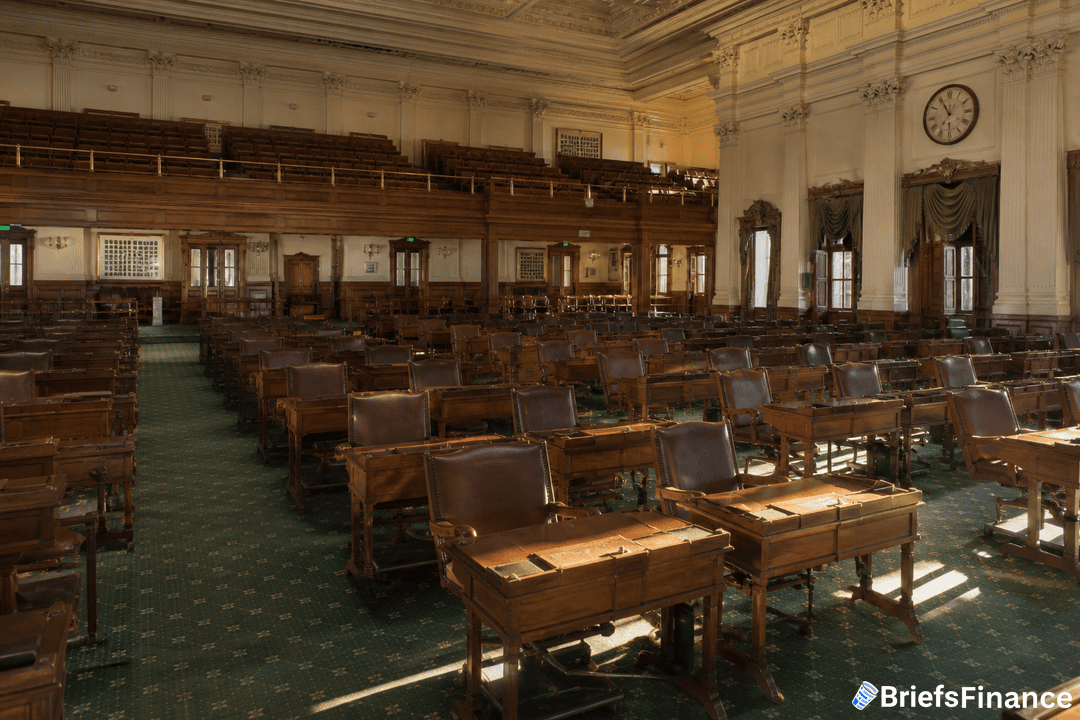
House Speaker Mike Johnson told CNBC's Squawk Box he favors "striking the right balance" on AI and added, "I hope it's voluntary," before heading to a meeting later Tuesday with AI executives and President Donald Trump. "We'll find out what comes out of the meeting today. I think that that's where they're headed. I think they see the handwriting on the wall, and I think they want to ensure investors, you know, consumers, the American public, that they're going to do this in a very safe way, and and that will, I think, put us in the right place."
On the attendee list are Dario Amodei of Anthropic, Mark Zuckerberg of Meta, and Sundar Pichai of Alphabet, whom Johnson is scheduled to meet. Asked whether liability carve-outs come up in talks with AI firms, he said "it doesn't come up." He added, "Of course products liability law applies here directly, and we're going to make sure that that keeps everybody in check."
The push for faster rules
Lawmakers and tech leaders are pressuring Congress to move quickly on a framework that curbs AI risks, even as Capitol Hill is still at the starting line of formal regulation. Congress is about to leave town for a stretch that runs until after November's election, compressing the window to act. That looming break adds urgency, Sen. Mark Warner said on Squawk Box: "God forbid - we're going to break this week - if we have an incident." Warner, a former tech entrepreneur, stressed he is not an AI "doomer," but warned that rogue actors could endanger national security and critical infrastructure.
On Tuesday, Warner will ask for unanimous consent on a proposal to create a federal AI safety board required to assess frontier models no fewer than 45 days prior to their public rollout. The effort is expected to stall, but it puts a marker down for what oversight could look like.
In uncertain times, keeping a long term plan helps protect and grow savings. Join Briefs Finance CEO Jaspreet Singh on September 29th for a FREE live investor workshop, How to Profit From A Dollar That's Losing its Value, where he shows how we're spotting investment opportunities as the dollar falls. Save your spot.
Industry signals and regulatory ideas
Top AI founders have been unusually blunt, warning that the systems they are building could cause catastrophic harm if misused or poorly controlled, and urging Washington to slow the march of the most advanced models. Late Monday, OpenAI said it would not roll out its upcoming GPT-6.1 Astra after concluding the model did not adequately satisfy its safety bar. Meanwhile, in its IPO prospectus, Anthropic cautioned that its technology presents a "catastrophic or existential risk to humanity," a formulation likely to keep the regulatory drums beating.
On the table in Congress: stationing independent auditors inside leading labs, updating liability rules, and setting formal review checkpoints for powerful models.
What this means for your portfolio
AI is pulling double duty right now, both as a risk policymakers want to contain and as a growth engine powering productivity chatter and propping up parts of the market. With lawmakers soon away for months, meaningful guardrails probably won't arrive quickly, leaving companies to self-police and investors to read corporate safety signals. Expect headlines from meetings like Tuesday's - plus model delays like OpenAI's - to shape how risk, governance and AI valuations get priced in.
A steady approach and sound guidance can preserve capital while seeking thoughtful gains. Our CEO Jaspreet Singh is hosting a FREE live investor workshop, How to Profit From A Dollar That's Losing its Value, on September 29th. Sign up free to join him live.