Inflation By The Numbers And What Drove It
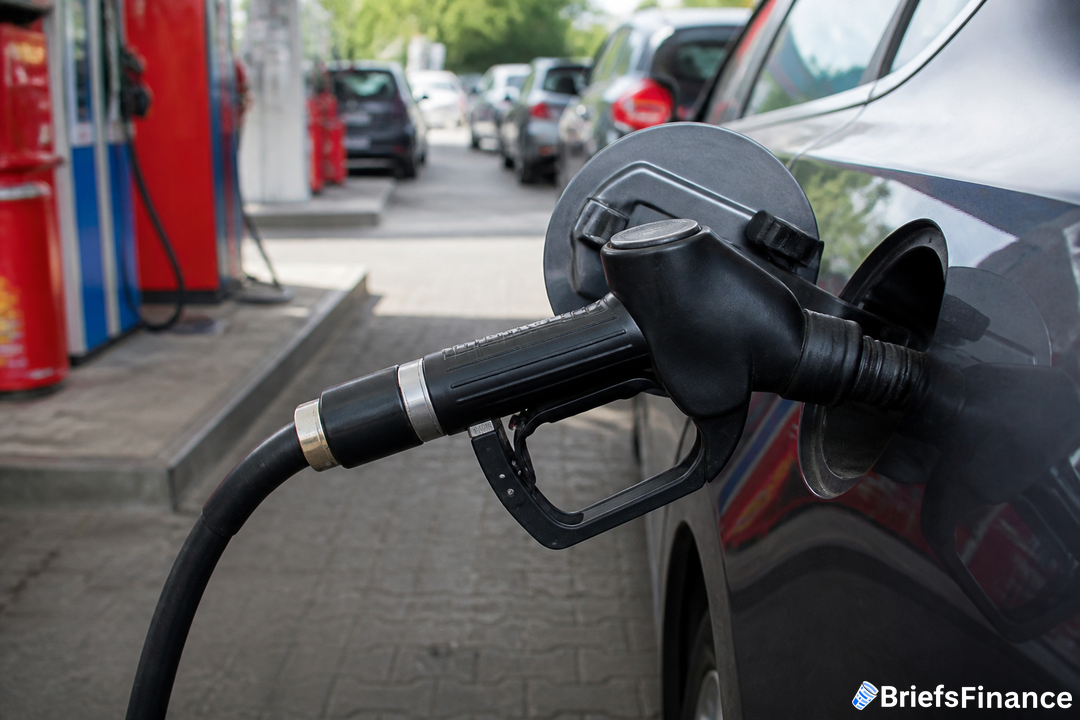
Inflation accelerated to 3.1% in August, in line with economist expectations and the first print north of 3% since March. The Office for National Statistics highlighted motor fuels as the main culprit, with pump prices up 23% from a year earlier.
Petrol rose by 9.1 pence per liter between July and August, lifting the average to its highest since November 2022. Diesel also moved higher, with the average increasing by 14.2 pence per liter during August. The ONS added that electricity, gas and other household fuels were 6% higher than a year ago. Inflation had registered 2.9% in July after a sharp upward reset of the regulated energy price cap.
Crude is still trading above $100 a barrel. Earlier in the week, the RAC said petrol and diesel had climbed to levels not seen in four years since the Iran war began. The U.K., as a net energy importer, remains exposed to global shocks. The post-pandemic cost-of-living strain has been made worse by energy surges that came after Russia invaded Ukraine in 2022.
A Reuters photo showed a person near the Bank of England in London on Dec. 18, 2025, the day the Monetary Policy Committee cut interest rates.
Markets React And The Policy Setup
Government bond yields eased after the data. After hitting a 28 year high on Tuesday, the 30-year gilt was last near 5.907%, roughly 2 basis points down. The 10-year benchmark slipped nearly 3 basis points to 5.365%. Sterling barely moved versus the U.S. dollar or the euro.
The figures land a day before the Bank of England's decision. According to LSEG, traders see the odds above 80% that the Bank keeps its policy rate at 3.75% this week, while expecting an increase at the November meeting.
When prices feel uncertain, a steady plan helps protect and grow your savings. Join Briefs Finance CEO Jaspreet Singh on September 29th for a FREE live investor workshop, How to Profit From A Dollar That's Losing its Value, where he shows how we're spotting investment opportunities as the dollar falls. Save your spot.
Households, Retailers And The New PM's Tightrope
For new Prime Minister Andy Burnham, rising prices pose a challenge as he has pledged to relieve the cost pressure, maintain fiscal discipline, and steady the bond market.
Bogdan Toma, a partner at McKinsey & Company, said gasoline at nearly four year highs could signal "an uncertain 'golden quarter' for consumers and retailers." He wrote, "With households absorbing back-to-school costs and facing the possibility of higher interest rates, demand heading into the fourth quarter may remain subdued." Toma added that the golden quarter is pivotal for many non food and some grocery chains, and that this year "competition for fewer and smaller baskets could be particularly intense, pressuring retailer margins from an already challenged starting point."
Scott Gardner of J.P. Morgan Personal Investing, where he serves as an investment strategist, said the latest rise is "unlikely to convince the Bank of England to hike interest rates just yet," but could fuel fresh debate about the inflation outlook. "The U.S.-Iran conflict began over six months ago but higher energy costs are still filtering through to business input prices and household spending," he said.
For your money, the through line is simple enough to watch: how long energy stays pricey, whether that seeps into more categories, and how the Bank responds. Markets are leaning toward a hold at 3.75% this week and a possible move in November. If energy keeps pressure on, retailers and households could feel it into the holidays.
Keeping a long view can guard your wealth and open room for growth. Our CEO Jaspreet Singh is hosting a FREE live investor workshop, How to Profit From A Dollar That's Losing its Value, on September 29th. Sign up free to join him live.