What changed and why it matters
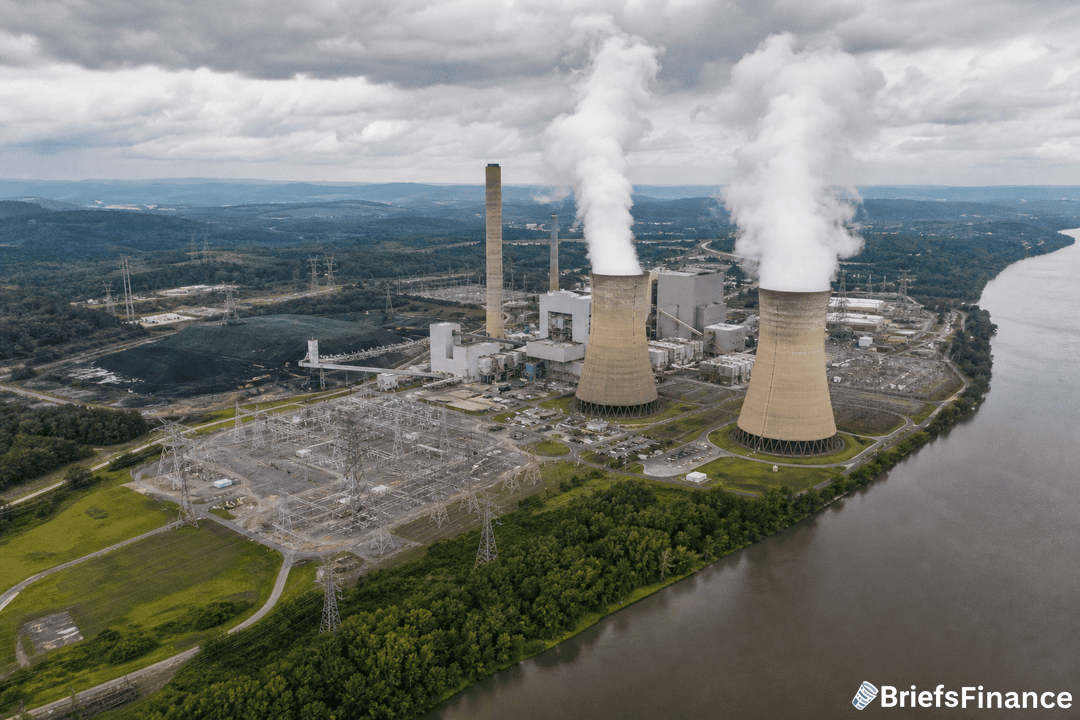
The Environmental Protection Agency announced a final rule that removes Biden-era climate obligations for coal- and gas-fired power plants. The move, revealed Monday in Houston during a G20 gathering of energy ministers, wipes out requirements that would have driven both current and future fossil-fueled plants to slash emissions over time by using particular technologies, including carbon capture and storage.
EPA Administrator Lee Zeldin labeled the action the "largest power sector deregulatory action ever," and the agency pegs the savings from the rule at $310 billion. On a press call, Aaron Szabo, described as the EPA's top air regulator, said, "It is plain and simple: The reality is that America produces energy better and cleaner than anywhere else in the world and power plants should not be unfairly targeted."
Agency officials also rolled out a proposal to cancel the federal conclusion that climate pollution from power plants specifically constitutes a significant source of air contamination under the Clean Air Act. In that proposal, the EPA argues it lacks authority under the law to regulate power plant climate emissions. As Szabo put it, "If finalized, it would prevent a future EPA from being able to regulate greenhouse gas emissions for global climate change for power plants."
What's being repealed and the recent track record
The rollback targets rules finalized in 2024 that essentially required the nation's fleet of coal plants to trap most of their carbon by 2039 or shut down, and that set tough emissions thresholds for both existing and new gas units. These are the mandates coming off the books now.
It follows other reversals: the EPA has already delayed curbs on high-warming refrigerants used in air conditioning and refrigeration, canceled greenhouse gas standards for cars, and nullified the endangerment finding that determined climate change threatens human health and welfare. Several lawsuits are already in motion over those changes, and environmental experts expect the power plant rule to be challenged quickly in court.
Big policy shifts remind investors that steady planning protects savings and goals. Join Briefs Finance CEO Jaspreet Singh on September 29th for a FREE live investor workshop, How to Profit From A Dollar That's Losing its Value, where he shows how we're spotting investment opportunities as the dollar falls. Save your spot.
There is history here. The Obama-era Clean Power Plan set nationwide limits for existing and future fossil-fuel plants, but power companies and some states sued, courts froze the rule before it kicked in, and the Supreme Court ultimately tossed it in 2022.
Who's cheering, who's fuming
Power industry groups applauded. "Overturning these examples of EPA overreach will help preserve and strengthen the US coal fleet, protect grid reliability and shield electricity consumers from higher costs," said Michelle Bloodworth, president and CEO of America's Power. Rachael Marsh, chief legal officer at the Edison Electric Institute, said the group "welcomes EPA's repeal of carbon capture and storage-based standards."
Environmental advocates and former EPA leaders slammed the move. "This is very unusual," said Meredith Hankins, who serves as the Natural Resources Defense Council's federal climate legal director. Gina McCarthy, a former EPA administrator who now chairs America Is All In, said, "The Clean Air Act is clear: EPA has a statutory obligation to regulate significant sources of pollution that threaten public health," adding, "Everyone will be affected by their actions, but the most vulnerable among us, our kids and grandkids, will suffer the most."
What it means for your money
The decision effectively halts the federal push to regulate one of America's biggest sources of climate pollution. By one estimate from New York University School of Law's Institute for Policy Integrity using 2022 data, if the US power sector were its own country, it would rank sixth in global emissions. The administration has also taken steps to keep coal plants running longer, including directing some facilities not to retire on schedule, pointing to growth in power demand driven by data centers and domestic manufacturing. Expect courtroom jousting to define how durable this policy is, which will influence the pace of investment across coal, gas and cleaner generation.
Keeping a diversified approach helps your money weather change and grow. Our CEO Jaspreet Singh is hosting a FREE live investor workshop, How to Profit From A Dollar That's Losing its Value, on September 29th. Sign up free to join him live.