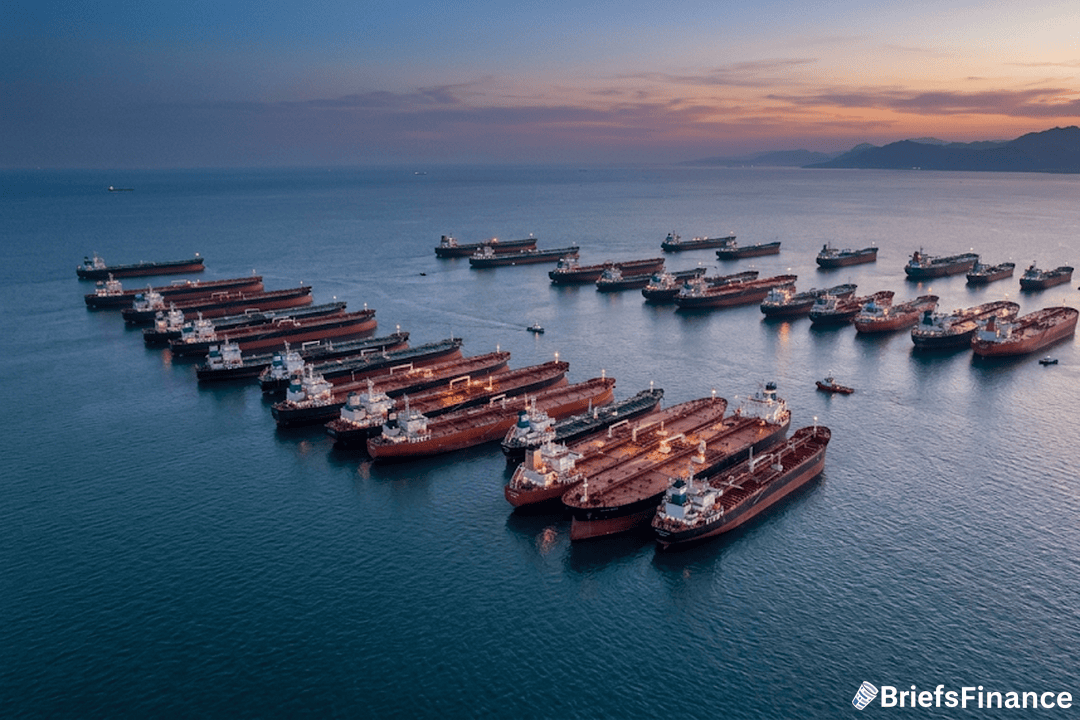
The Tanker Traffic Jam Off Iran
The tanker count comes from United Against Nuclear Iran (UANI), a group that tracks Iranian shipping.
A week after the blockade was renewed, that count hit 45.
By August 5, 2026, UANI had still not confirmed a loaded tanker getting out of the Gulf of Oman and dodging US enforcement since the blockade returned. Some may have slipped out unnoticed by turning off their transponders, the beacons ships use to broadcast their location to tracking systems.
The blockade works in two directions. It stops loaded ships from leaving Iranian ports, and it stops empty tankers from coming back to load new cargoes.
"The blockade seems effective," said Charlie Brown, an adviser to UANI.
China Is the Key Test for the Blockade
China is the main buyer of Iranian crude, and there is already plenty of Iranian oil sitting in Asian waters. Chinese buyers are in no hurry to take more.
Get the free Always Be Buying eBook and learn the simple system for building wealth on any income
Mysteel OilChem data showed independent Shandong refiners using just over 48% of capacity on July 31, below the roughly 60% level typical for that point in the season over the past five years. Negative margins explain the slowdown; turning crude into fuel is not covering their costs right now.
That weak demand is pushing Iranian crude into storage.
"This round of US blockade threatens to throttle Iranian oil floaters in the months to come," said Emma Li, lead China market analyst at Vortexa.
The backup reaches beyond the usual shipping lanes. A group of Iranian crude carriers near the southeastern coast of peninsular Malaysia was spotted by Bloomberg, and UANI counted at least seven laden Iranian vessels near Sri Lanka.
The Discount Is Shrinking
The logjam is showing up in prices.
When a discount shrinks, the seller is not slashing prices to move barrels. That is a sign the blockade is tightening supply, even while weak Chinese demand is pulling prices the other way.
What It Means for Your Portfolio
The oil market is now a tug of war. The blockade is cutting supply while weak Chinese demand is weighing on prices, and the tanker count is the scoreboard.
The next big swing could come from diplomacy. Qatar says a draft proposal for a possible US-Iran interim deal has been prepared, and officials from both sides are optimistic about reopening the Strait of Hormuz.
If a deal lands, all those waiting tankers could start moving, pushing more crude onto a market that was not expecting it. If the blockade stays in place, the limited stock of Iranian crude already beyond the Persian Gulf and Gulf of Oman becomes more valuable.
For your portfolio, the tankers are the early warning. They tell you which way supply is leaning, and oil prices carry that signal into everything from your gasoline bill to your portfolio.
Download the free Always Be Buying eBook and start putting your money to work today