What happened at sea
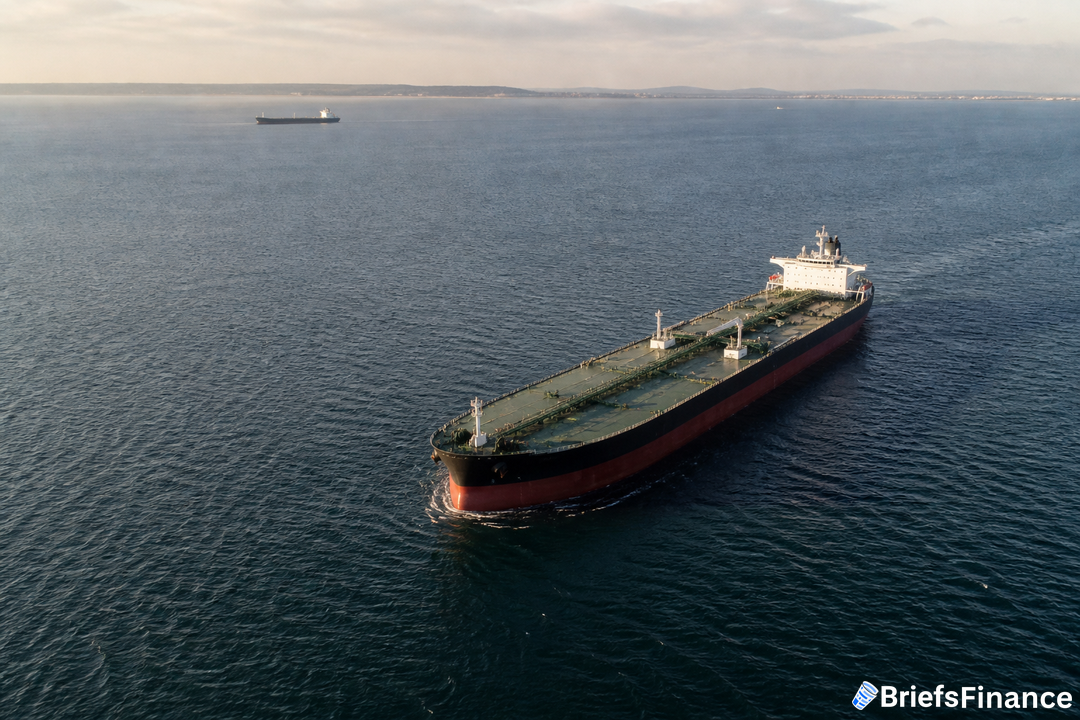
Britain's maritime alert service, the UKMTO, logged two weekend incidents involving tankers near Oman and Iran. On Saturday, it received a report that an unknown projectile hit a crude oil tanker four nautical miles east of Oman. On Sunday, another tanker was reported struck inside the Strait of Hormuz, with damage to its engine room.
Attacks in the strait have become a near-weekly feature. Before the U.S. and Israel-led war began on Feb. 28, roughly one fifth of the world's oil moved through this chokepoint.
Tehran's terms and the fragile truce
On Sunday, Iran reiterated that the Strait of Hormuz will remain closed unless its conditions linked to concluding the conflict with the U.S. are fulfilled. Nour News, a state outlet, quoted Parliament Speaker Mohammad Bagher Ghalibaf saying, "The Strait of Hormuz will not open until Iran's seven conditions based on the Islamabad Memorandum are met, and Iran will not regulate its national security with tweets from American officials."
In June, President Donald Trump together with Iranian President Masoud Pezeshkian approved a temporary agreement, the Islamabad Memorandum of Understanding, briefly halting the fighting. To reopen transit, Tehran demands a stop to U.S. "acts of aggression," the lifting of the U.S. naval blockade imposed on its ports, an end to broader economic warfare, and the return of Iranian assets. The U.S. has insisted that Iran take apart its nuclear weapons program as a principal condition.
Attacks on tankers move oil prices within hours and fuel costs within weeks. Market Briefs tracks the energy market free every morning.
Saudi strike claims and a widening battlefield
The conflict's spillover is not limited to shipping lanes. Reuters reported Saturday that Yemen's Iran-aligned Houthis said they targeted a Saudi Aramco facility in Riyadh with ballistic missiles and drones, saying it was retaliation for Saudi strikes on Sanaa and other provinces. A witness told Reuters that a towering column of flames and smoke rose above the facility.
On October 3, 2026, fire was seen at an Aramco site located south of Riyadh. Saudi authorities have offered no public statement on the reported attack, and Aramco did not immediately reply to CNBC's email seeking comment. If confirmed, the episode would mark another escalation, effectively creating an additional theater in the Iran conflict.
Markets are already reacting
Some investors are bracing for a sharper downturn in the security picture. "The situation is fluid and volatile. To me, as we are developing and looking at the situation, it's not a question of if, but when the conflict resumes full force," said Bader Al-Saif, the founding president of Al-Saif Consulting, speaking to CNBC's Access Middle East on Friday.
Ongoing attacks, plus the risk of further escalation, have pushed energy prices higher in recent weeks, lifting global inflation expectations and nudging government borrowing costs up. On Thursday, crude moved higher after reports that the U.S. would send to the Middle East a third strike group built around an aircraft carrier, along with an amphibious force of 2,000 Marines. Prices eased Friday after the Group of Seven said it would release diesel and crude stocks to help consumers. Brent futures slipped 6 cents to close at $102.25 a barrel, while U.S. West Texas Intermediate fell $1.76 to settle at $91.11.
How this matters for your portfolio
Maritime hits in a corridor that once carried about a fifth of global oil can show up quickly in gas prices, inflation, and interest rates. That combo affects everything from commuting costs to mortgage math. Keep an eye on security headlines around the Strait of Hormuz and how energy and rate sensitivity show up in your own budget.
Risk in the Gulf gets priced into almost everything that moves by ship. Get the free Market Briefs daily newsletter and stay current.