What Changed on the Ground
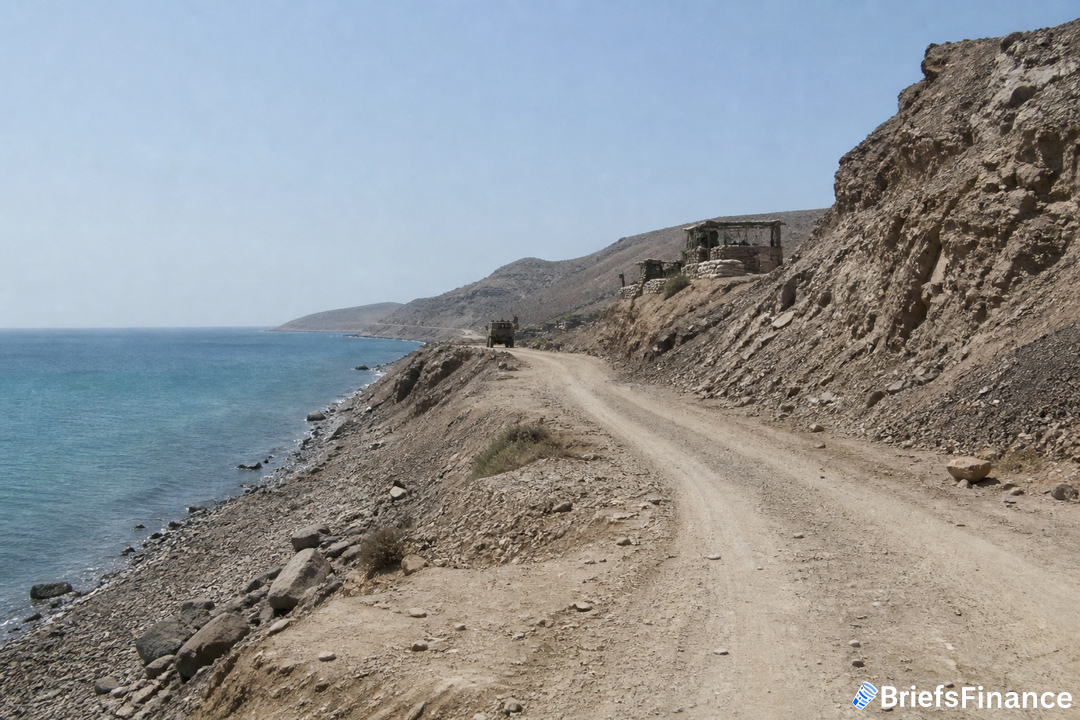
A renewed Houthi campaign in early September seized strategic positions along Yemen's western shoreline. Those advances reinforced the group's control around the Bab el-Mandeb, the chokepoint linking the Red Sea and the Gulf of Aden. Saudi Arabia had relied on that corridor to move crude exports while avoiding the Strait of Hormuz.
Since early September, a coalition led by Saudi Arabia and including Yemeni forces has been engaged in ground and air combat with the Houthis.
Conflict in the region reaches global markets through shipping lanes and oil. Market Briefs connects those dots free every weekday.
What Leaders Said Sunday
Rashad Al-Alimi, who chairs Yemen's Presidential Leadership Council, ordered all branches of the army to launch operations and continue fighting "until the liberation of the country from the grip of the terrorist Houthi militia." He also declared, "All state military, security and civil institutions as of this moment are mobilized and on high alert until the mission is completed and victory is achieved."
Reuters reported on Friday that Saudi Arabia has been preparing an offensive to be carried out by Yemeni ground units with Saudi air support.
Why It Matters for Your Portfolio
The Houthis had mostly kept their distance from the US-Israeli war on Iran, which started in late February. In July, they declared they would block Saudi ships, saying it was a reply to what they termed a "siege" on Yemen. Since then, they have struck targets inside the kingdom again and again - among them oil facilities - creating additional hurdles for the world's biggest crude exporter.
Escalation near key trade routes shows up in freight and fuel costs. Join Market Briefs free and follow the impact.