What happened
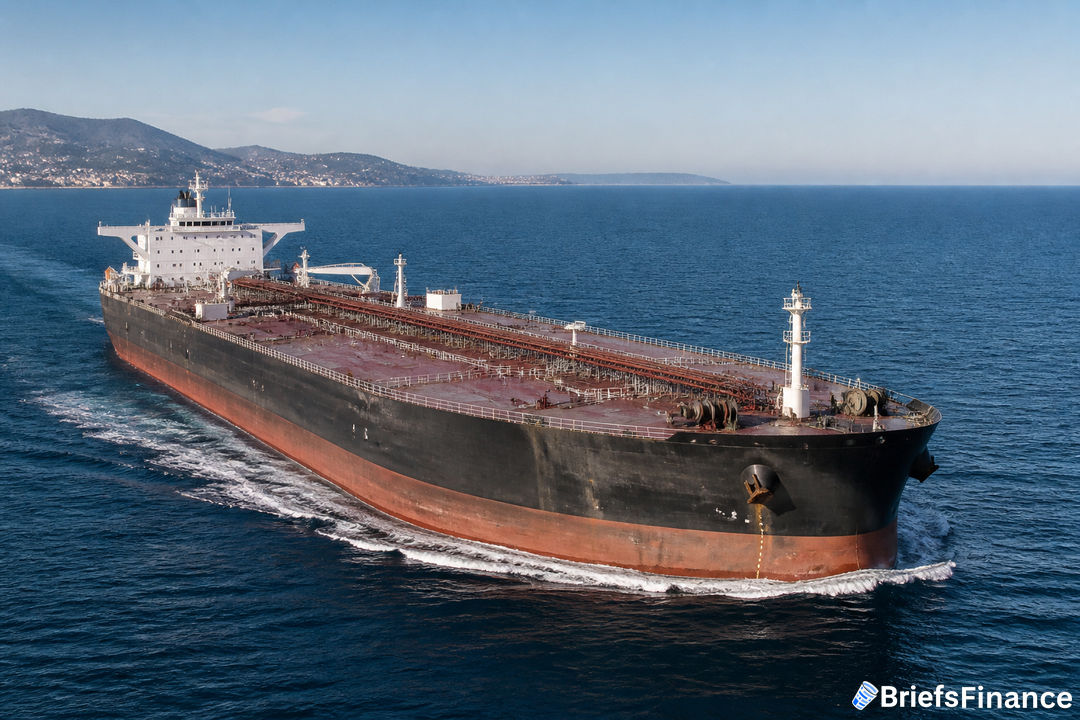
Iraqi Oil Tankers Co. loaded a very large crude carrier with 2 million barrels and arranged for it to sail beyond the Strait of Hormuz. Director General Ali Qais Abdul Jabbar described the transit as "for the first time in decades" in a video posted on the Oil Ministry's Facebook page. He did not identify the VLCC, its owner, the cargo's destination, or the buyer.
Why Iraq is changing how it ships oil
Up to now, buyers generally dispatched their own supertankers to lift oil from Basra, which sits close to the innermost part of the Persian Gulf. By handing over barrels beyond the Gulf, the state carrier may win business from refiners hesitant to route ships via Hormuz. That shift could also narrow the discounts Iraq often offers at its southern terminals and firm up realized prices. Qais said that if the firm purchases its own tankers, Baghdad will be able to exert more oversight of crude shipments, a move aimed at strengthening Iraq's position against other producers in the region.
Shipping routes set oil prices, and oil prices reach a surprising amount of your budget. Market Briefs tracks the energy chain free every morning.
Fleet plans and market context
After disruptions caused by the Iran war, Middle East producers have been racing to line up tankers to ensure they can restore flows of crude and refined products through the strait. The shipping arm of Abu Dhabi National Oil Co. is among those building up fleet capacity. In Iraq, Oil Minister Basim Mohammed Khudair told the state news agency on Saturday that the country is seeking funding to purchase tankers for Iraqi Oil Tankers Co., saying that having ships on Iraq's books would buttress export flows and lift financial returns. He did not say how many ships are being considered.
What the numbers show
According to the Oil Ministry, average crude shipments ran at about 2.6 million barrels per day over the period ending Sept. 21, compared with roughly 2 million barrels per day in August, yet remain under the 3.3 million to 3.5 million barrels per day that were shipped before the war. Baghdad is likewise working on other export corridors, among them the northern path via Turkey and a planned pipeline terminating at Syria's Baniyas port.
Why it matters for your wallet
Moving crude around a chokepoint is expensive, and that cost lands at the pump. Get the free Market Briefs daily newsletter and follow it.