What Iraq is doing
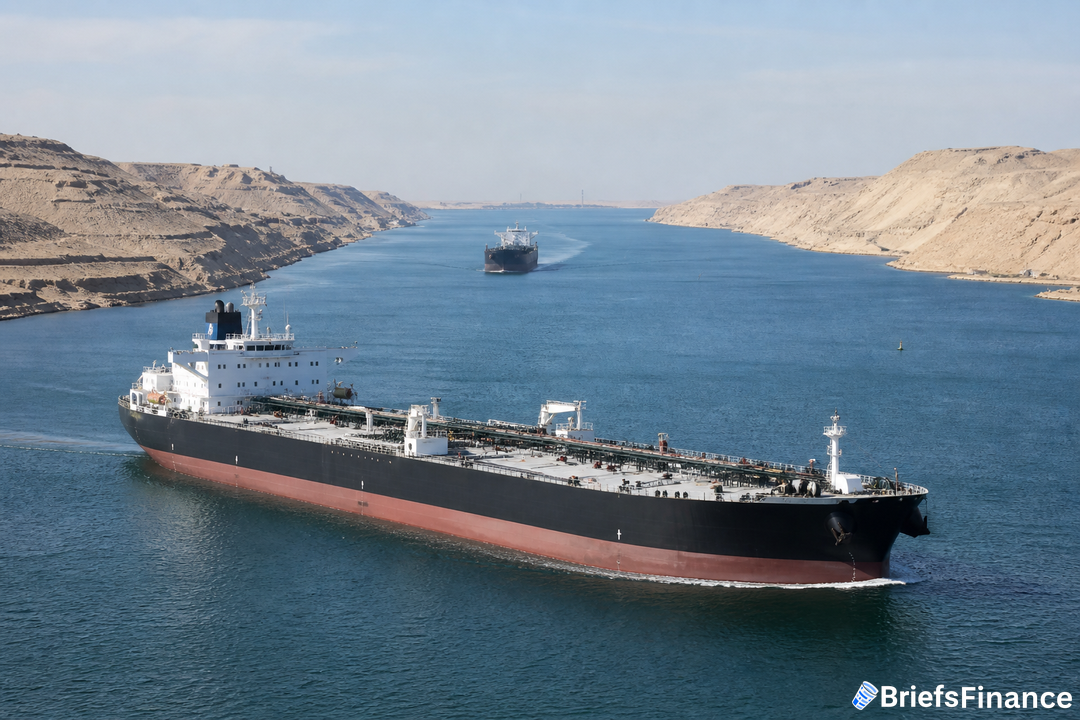
Iraq's Oil Tankers Co. announced via the oil ministry's website that it aims to charter a minimum of two VLCCs for a 180 day period to move Iraqi crude through Hormuz, with bids due Thursday. Vessels must be able to perform ship to ship transfers so they can pass cargo to other tankers waiting outside the strait. The terms also state that if a vessel is out of service for any reason, the owner will not be paid for that period.
Recent purchases and the market backdrop
Iraqi-linked buyers have already acquired at least two supertankers, say people with knowledge of the transactions who requested anonymity since the deals have not been disclosed. One of those ships traded at $200 million, which would be the highest price ever paid for a vessel of that type, using data from Clarkson Research Services Ltd, part of the world's largest shipbroker.
One sale involved Greece's Dynacom Tankers Management transferring a supertanker to Iraqi buyers, according to a person familiar with that sale, while a separate person said another supertanker also went to Iraqi buyers. Both asked not to be named because the transactions are private. A representative for Dynacom said the company would offer no comment. Iraq's oil ministry likewise refrained from commenting on the purchases.
All this is happening while tanker prices hover near historic highs and owners are enjoying one of the strongest earnings runs on record, which makes prying ships away from current owners expensive.
Regional push to control shipping
Producers across the Middle East are racing to secure ships so they can keep crude and refined products flowing through Hormuz. The shipping subsidiary of Abu Dhabi National Oil Co. has accumulated numerous second-hand acquisitions alongside newbuild contracts. Kuwait is working to both buy and charter tonnage, per a person familiar with the plans, and one tanker industry official said Kuwait has been offering strong prices lately.
Speaking at the APPEC conference in Singapore, Kuwait Petroleum Corp.'s managing director responsible for international marketing, Shaikh Khaled Al-Sabah, said, "We are in the market to acquire more ships,". "Controlling your own fleet, controlling your own operation will give you a lead over the others."
Global shifts remind investors to protect capital and plan for steady growth. Join Briefs Finance CEO Jaspreet Singh on September 29th for a FREE live investor workshop, How to Profit From A Dollar That's Losing its Value, where he shows how we're spotting investment opportunities as the dollar falls. Save your spot.
Tanker ownership varies widely in the region. Saudi Arabia controls a state shipping champion with significant capacity, the UAE's Adnoc owns vessels and is pursuing growth, Kuwait's fleet is comparatively smaller, Iraq scarcely owns ships, and Iran also has substantial capacity.
Why fleet control matters and what it means for your portfolio
With the war involving Iran putting a spotlight on energy security, having your own ships has given some countries more room to maneuver. That has included shuttle-style operations in which cargo moves from within the Persian Gulf to points just beyond Hormuz, where another tanker takes it on. Building bigger national fleets would give producers more say over logistics and could help keep exports moving when the unexpected happens.
"The recent crisis shed light on the importance of having national carriers," said Ibrahim Al Nadhairi at the APPEC S&P Global Energy conference in Singapore, the CEO of Oman's Asyad Shipping, which operates a fleet exceeding 90 vessels of various types. "You need to have that kind of in-house capability to ensure that when something goes wrong, you have your ships ready." For everyday investors, the signal is clear: Gulf producers are channeling serious money into ship capacity at premium prices, a shift that can reshape how oil moves through a global choke point and influence freight costs and margins down the line.
Staying calm and disciplined helps your savings weather change and compound over time. Our CEO Jaspreet Singh is hosting a FREE live investor workshop, How to Profit From A Dollar That's Losing its Value, on September 29th. Sign up free to join him live.