What happened this quarter
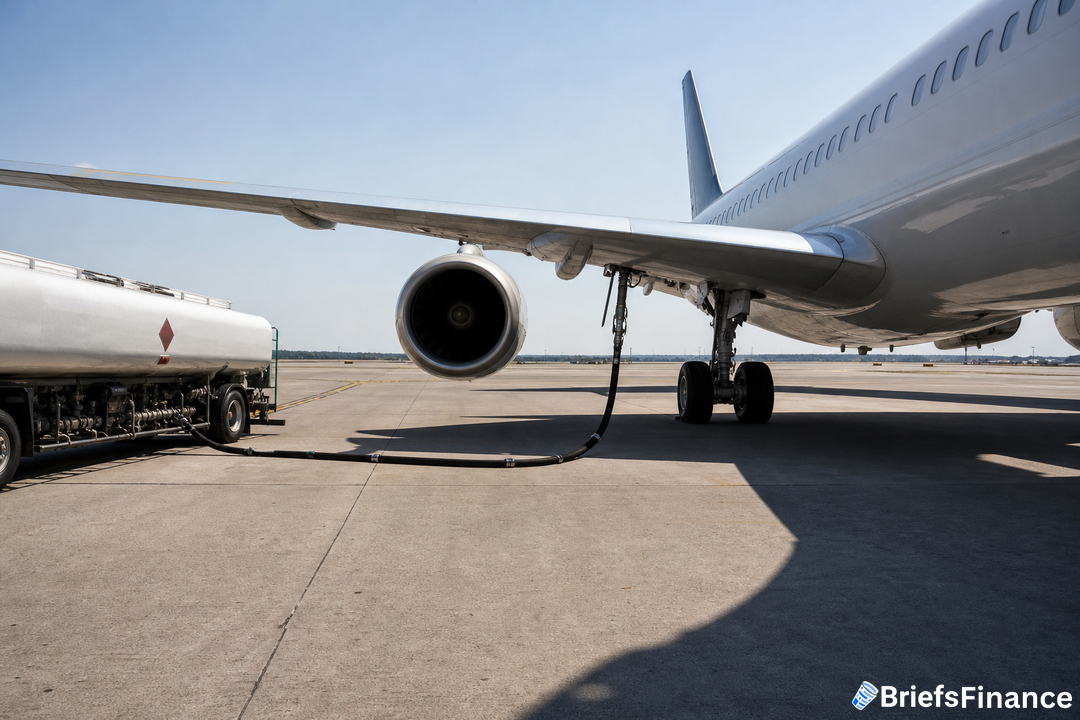
Frontier, the country's largest budget airline, raised ticket prices sharply in an effort to offset an even steeper spike in jet fuel. Average fare revenue came in at $67.82 per passenger compared with $39.74 in the same period last year. Add in bag, seat, and other fees, and total revenue per passenger reached $138.22, up 30% year over year.
Higher prices did not scare away travelers. Passenger traffic increased 18% to more than 9.8 million, roughly 1.5 million above last year. Management said demand is holding up even with the higher pricing.
Costs and the bottom line
Fuel overwhelmed the fare gains. Frontier's loss widened to $104 million, compared with a $77 million deficit in the prior-year quarter, as the fuel bill surged 82% to $425 million. Carriers ranging from Delta Air Lines to Frontier report that most customers continue to purchase tickets even as fares rise, yet profits are being squeezed as jet fuel hits all-time highs, the largest expense they face aside from labor.
Outlook and what to watch
Frontier guided to a wide Q4 range, from an adjusted per share loss of 15 cents to adjusted earnings of up to 5 cents. Shares traded more than 9% higher on Wednesday afternoon. The carrier had already surpassed Spirit Airlines as the biggest discount player before Spirit collapsed in May.
When costs and prices shift, investors seek better ways to stay informed. We're hosting our first ever investor livestream on 11/17 to show you how to use ChatGPT and Claude to invest like a pro, hosted by Briefs Finance CEO Jaspreet Singh. Save your seat.
Why it matters for your portfolio: robust demand helps revenue, but fuel is the swing factor for margins. Watch the Q4 spread, fuel trends, and whether pricing power sticks into the holiday travel window.
New tools can help investors interpret market signals and sharpen decision making. On 11/17, our CEO Jaspreet Singh goes live for our first ever investor livestream on how to use ChatGPT and Claude to invest like a pro. Register to join him.