What the company reported
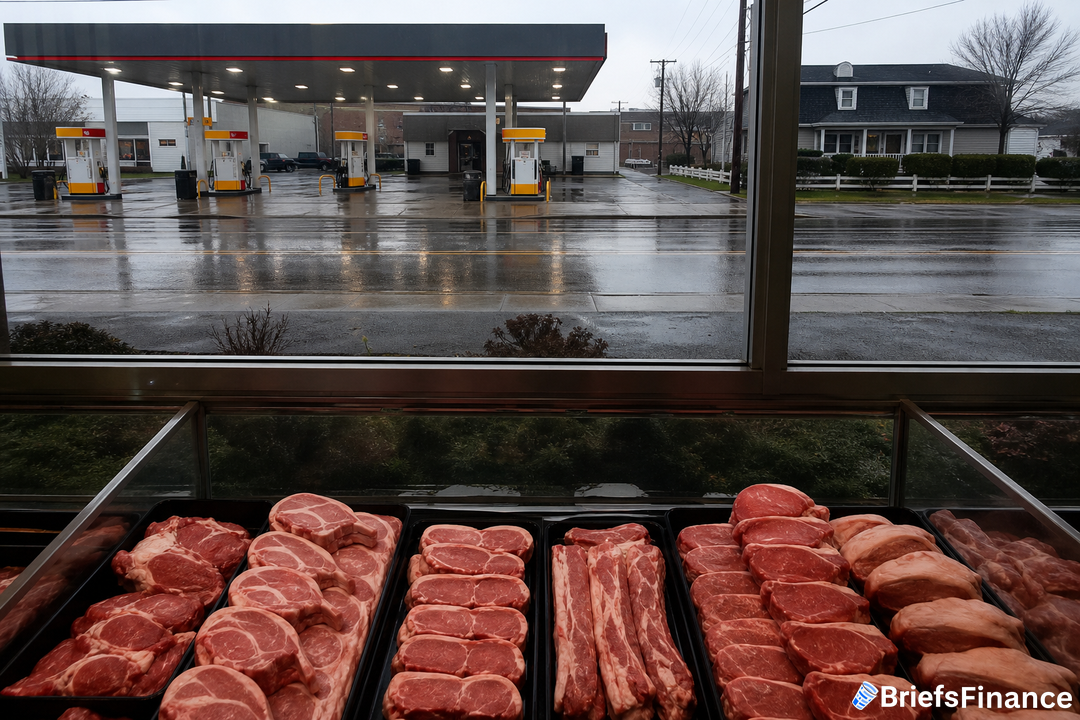
Smithfield said higher fuel costs - rising since the war in Iran began - pressured its most recent pork sales. CEO Shane Smith said, "US consumers remain pressured due to persistent inflation and high gas prices," which has impacted consumption levels.
Third quarter sales fell 8.3%.
Government data and market pressure
The US Department of Agriculture noted bacon is a "complement to restaurant meals and road trips, which historically slow when inflation and gasoline prices are high." The agency also said wholesale pork prices have fallen to their weakest point in over five years as sluggish demand pulls down bellies and hams.
Gasoline demand lagged last year's levels in June and July, the US Energy Information Administration said, suggesting high prices curbed peak summer driving. The pork sector has also missed much of the broader US protein boom as shoppers remain less familiar with pork's protein content and how to cook it.
Shifts in everyday costs can reshape consumer habits and ripple through market opportunities. We're hosting our first ever investor livestream on 11/17 to show you how to use ChatGPT and Claude to invest like a pro, hosted by Briefs Finance CEO Jaspreet Singh. Save your seat.
How Smithfield is responding and what it means for your portfolio
This year marks the second time Smithfield has reduced its full-year guidance, now projecting adjusted operating profit of $900 million to $1 billion, compared with a previous range of $1.23 billion to $1.38 billion. The company now expects the fresh pork unit and the hog production arm to log losses, flipping earlier guidance that had called for profits.
Smith said the company is "focused on reducing market risk," pointing to a freshly signed long-term supply agreement struck alongside a current joint-venture ally, which will reduce internal hog production by 900,000 animals per year. "This strategy will not eliminate commodity volatility, but it reduces capital and earnings exposure and improves the durability of our integrated model across the cycle," he said.
The company continues to look at opportunistic deals following the closing of its purchase of hot dog brand Nathan's Famous, and it aims to speed up product innovation, using as a recent example the grass-fed beef hot dogs it rolled out earlier this year. By 11:35 a.m. in New York, Smithfield shares were up 2.3%. The bottom line: high fuel costs and softer demand are pressuring pricing and profits, and Smithfield is pulling back on commodity exposure while doubling down on brands built for road trips and restaurants.
Investors who understand new tools can quietly turn broad trends into smarter decisions. On 11/17, our CEO Jaspreet Singh goes live for our first ever investor livestream on how to use ChatGPT and Claude to invest like a pro. Register to join him.