What happened
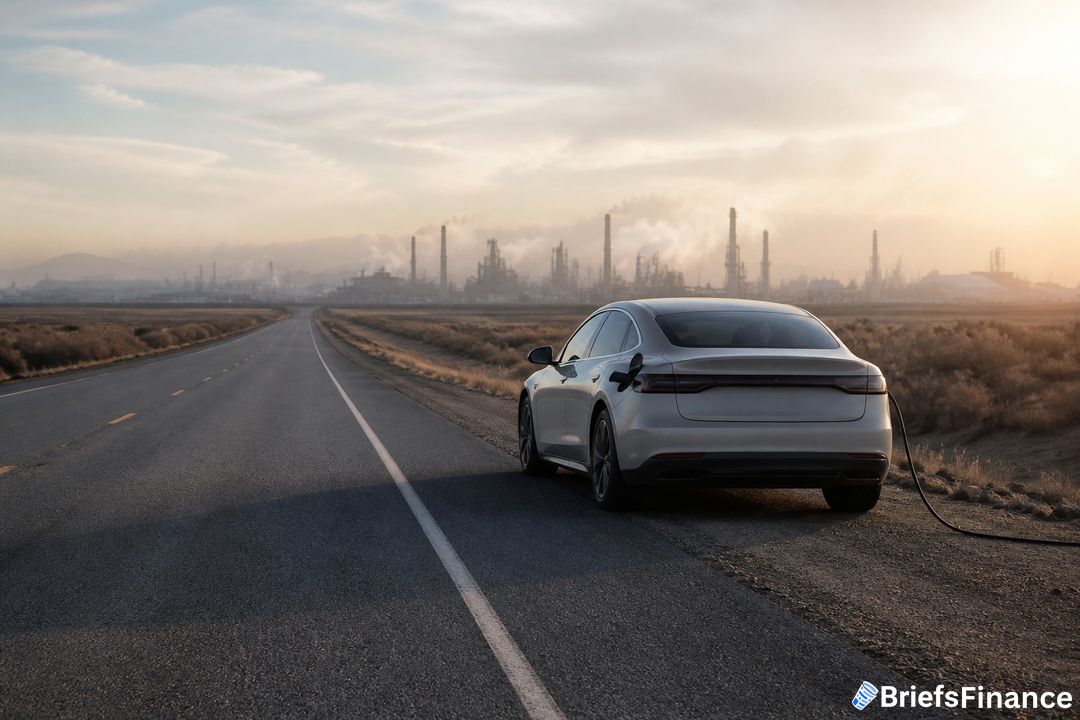
France and Germany struck a deal that would in practice remove the 2035 climate neutrality objective for carmakers. Germany has long pressed for looser climate rules to shield its auto supply chains, and Chancellor Friedrich Merz this month called the effective ban on new combustion cars "history" after agreeing with Paris to pursue a weaker 90% net emissions cut. Several influential blocs in the European Parliament have tentatively endorsed a comparable deal.
It is a high-stakes fight for Europe's auto industry, with Stellantis NV and Volkswagen AG already facing intense competition from Chinese brands.
Why the EU climate chief objects
Wopke Hoekstra, who oversees CO2 rules for cars, said he favors stricter Made in Europe standards for the industry yet rejects the Franco-German initiative. "I'm not impressed by the intellectual logic," he said, arguing the problem is where EVs are built, not the speed of electrification. His view: "European carmakers are not hindered by too steep electrification targets; they are hindered by the fact that a larger share of these electric vehicles are being produced by the Chinese."
He added that higher fuel prices and a pickup in EV adoption are evidence that sticking with the current path best protects the industry.
Policy shifts can reshape industries, so investors seek tools to spot opportunities. We're hosting our first ever investor livestream on 11/17 to show you how to use ChatGPT and Claude to invest like a pro, hosted by Briefs Finance CEO Jaspreet Singh. Save your seat.
The market signals and his fix
The move to EVs has been uneven, with buyers sometimes resistant to pricier models, but prices are easing. In September, fully electric models accounted for close to one in three new vehicles handed over in Europe, with Chinese marques responsible for a large share of the increase. "Sales are up in such a spectacular way that it further solidifies the logic that we will be completely or almost completely electric by 2035, or way before," Hoekstra said. "So I seriously doubt whether it is wise to then push the brake."
His preferred approach is to bar unfair Chinese competition from the European market and simultaneously accelerate electrification. He also stressed staying the course on the European Commission's earlier-in-the-year plans aimed at expanding green steel production, and said the commission would continue working to influence the final outcome in subsequent negotiations.
What's next and why it matters for your portfolio
Hoekstra said additional rules that set climate targets beyond 2030 will be postponed to the new year. He also hinted the timeline for a deal among member states on the emissions-trading system may slip beyond the year end target amid fierce negotiations. The EU's broader climate agenda has largely withstood criticism that it raises living costs, but core pieces of the Green Deal are facing a tough recalibration.
The bottom line: policy choices now will influence EV rollout speed, margins for legacy automakers, and how much share Chinese brands seize. That is the backdrop for names like Volkswagen and Stellantis as investors assess Europe's next move.
When industries evolve, informed investors look for new tools to gain advantage. On 11/17, our CEO Jaspreet Singh goes live for our first ever investor livestream on how to use ChatGPT and Claude to invest like a pro. Register to join him.