What officials are discussing
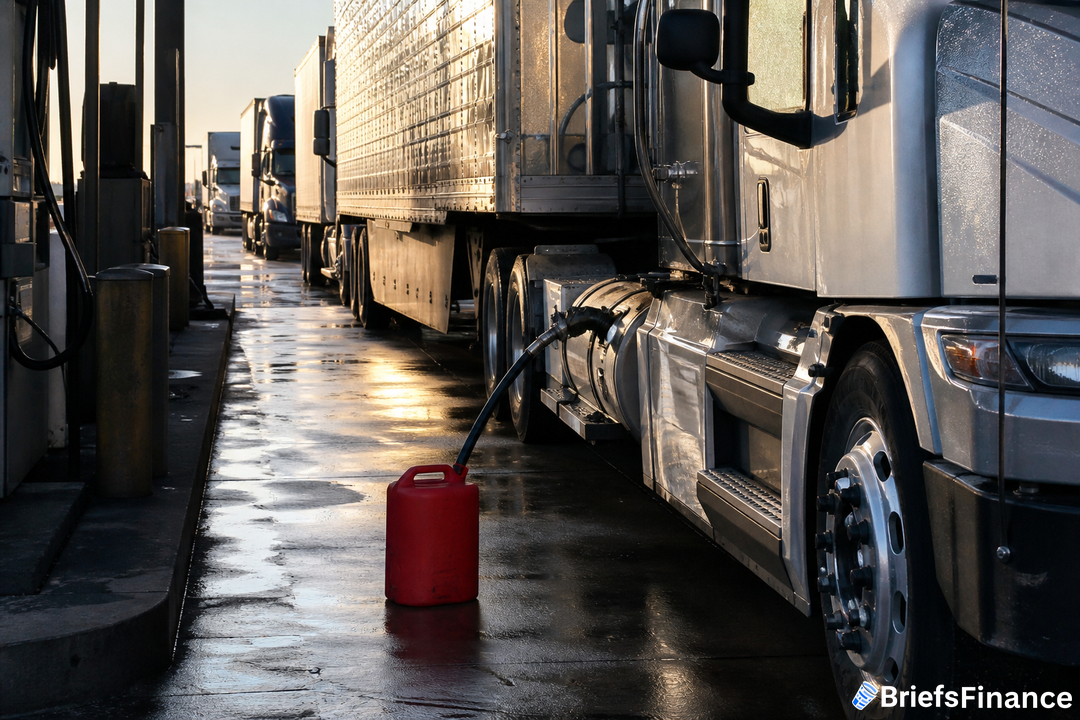
Trump administration officials have put several ideas on the table to tamp down diesel prices, including suspending the federal diesel tax and easing limits on sales of dyed off-road diesel. Red diesel, as it is commonly known, is mainly burned by farmers and other off-road operators, and the fuel is not subject to excise levies.
As of Friday, the menu of options was still wide and a final approach was not close, said people briefed on the private deliberations who requested anonymity. Vice President JD Vance has pressed for steps to rein in diesel costs and sought details on potential levers. Energy Secretary Chris Wright, Interior Secretary Doug Burgum, and Treasury Secretary Scott Bessent have also been engaged, with internal back-and-forth over how a tax waiver could work given the House is out on a pre-election recess.
Export curbs, voluntary limits, and market reactions
President Donald Trump signaled support this week for limiting US diesel exports, injecting uncertainty into global fuel trade. His call helped trigger wild swings in fuel futures and drew strong pushback from industry. Trump's economic team is assessing what a short-lived export halt might mean, while Chris Wright said the administration is coordinating with refiners on voluntary export reductions as an alternative to formal action.
Refiners, wary of an export stop, have started adding contract language to shield themselves if a pause blocks deliveries to overseas customers, according to people with knowledge of those preparations. Washington's allies, especially in Europe, have grown more anxious about losing access to US supplies just as the US-Iran and Russia-Ukraine wars have tightened global fuel availability.
US diesel at the pump has hovered around 6.50 dollars a gallon, close to record levels.
Industry reactions and rejected options
Energy executives and other industry voices have pressed the administration to pause the federal diesel excise tax, saying it would deliver near-term relief to consumers ahead of November's midterm elections without the drawbacks of an export ban. The federal levy runs about 24 cents per gallon, with states tacking on roughly another 36 cents on average, according to the US Energy Information Administration.
A different pitch to ease or cut biofuel blending obligations has largely gone nowhere. Those mandates require using ethanol made from corn and biodiesel made from soybeans, a politically sensitive issue across the American heartland.
Policy talk can stir uncertainty, so steady investors focus on long term resilience. Join Briefs Finance CEO Jaspreet Singh on September 29th for a FREE live investor workshop, How to Profit From A Dollar That's Losing its Value, where he shows how we're spotting investment opportunities as the dollar falls. Save your spot.
State moves and on-the-ground relief
With harvest season underway, Republican governors in key farm states have stepped in. Earlier this week, Louisiana Governor Jeff Landry declared a state of emergency and lifted penalties through late October for farmers and loggers who use off-road diesel on highways. On Thursday, Alabama Governor Kay Ivey told state police to suspend enforcement of rules on red diesel for four months. The same day, Nebraska Governor Jim Pillen signed an executive order permitting highway-registered vehicles to run on off-road diesel without penalty and said those hauling livestock and produce harvests can seek refunds on diesel taxes.
"We're not going to sit on the sidelines while Louisiana farmers are paying record prices to harvest the crops that feed our families and support our economy," Landry said Wednesday. "We have an opportunity to provide immediate relief, and that's exactly what we're doing."
Off-road diesel has the same chemistry as on-road fuel but is exempt from federal and state excise taxes, and using it on US highways is illegal. It is dyed red so authorities can check whether a driver is burning the untaxed product.
Easing restrictions on off-road diesel could push farmers' prices below 6 dollars a gallon, offering relief, but they would remain far higher than the sub 4 dollars a gallon seen prior to the US and Israel launching the war in Iran.
What this means for your portfolio and pocket
That would not restore the sub 4 dollar prices that prevailed before the Iran conflict, but it would ease pressure on transport and harvest costs.
An export halt, even as a trial balloon, already rattled markets and worried allies. Each pathway on the table - tax relief, more dyed diesel, voluntary export restraint, or an outright ban - shifts the outlook for refiners and for global buyers, and that can ripple into the price of goods that reach your doorstep.
Keeping a disciplined plan helps your savings weather policy shifts and keep growing. Our CEO Jaspreet Singh is hosting a FREE live investor workshop, How to Profit From A Dollar That's Losing its Value, on September 29th. Sign up free to join him live.