Prime Minister Keir Starmer is set to release the UK's defense investment plan on Tuesday, amid increasing scrutiny of military spending after a funding row forced Healey out. Healey said an earlier draft of the plan fell short of "the resources that the nation needs to defend the country at this time of rising threats." The new plan still leaves a gap of about £28 billion that the Treasury helped fill with around £15 billion of additional funding, which is around £1.5 billion more than Healey was offered. However, officials were unable to clarify if the additional funds were actual cash or a result of creative Treasury accounting.
The Drone Bet
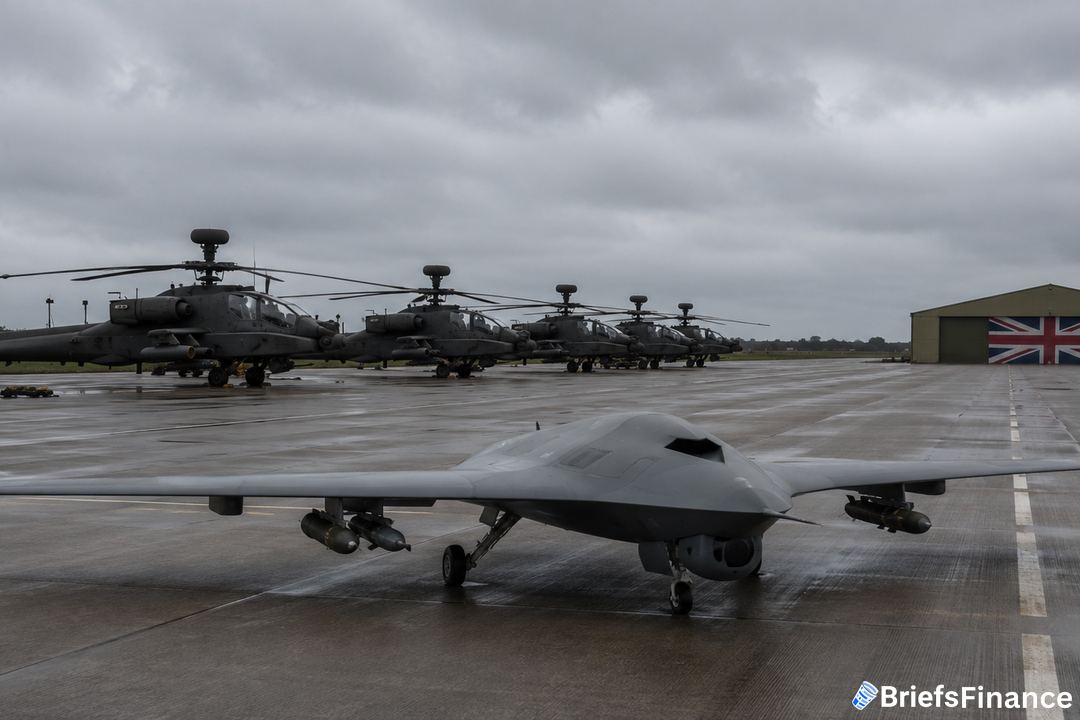
The money will acquire up to 24 armed drones by 2030, which will fly alongside the Army's 50 Apache helicopters. Defense Secretary Dan Jarvis said, "The character of warfare is rapidly changing. "In Ukraine and the Middle East, uncrewed systems are defining conflicts. This largest ever UK investment into these evolving technologies will help our Armed Forces stay ahead of our adversaries"."
But the drones are just one piece. Funding continues for classic deterrents such as the GCAP fighter jet, the AUKUS submarine initiative, and the UK's nuclear arsenal. However, tight budgetary constraints forced Jarvis to cancel some projects and delay others.
The Type 83 destroyer project has been scrapped, the acquisition of 12 US-made F35-A jets capable of carrying tactical nuclear weapons is being delayed, and initiatives to enlist cadets and upgrade military housing are being scaled back. Replacing the destroyer, the UK will purchase a minimum of six common combat vessels, anticipated to arrive by the early 2030s. The full investment framework promises hundreds of billions of pounds in overall expenditure.
The Budget Battle
The UK aims to prepare its military for possible war by 2030. But critics say the plan falls short. The main opposition, the Conservative Party, labeled the document "too little, too late." Ed Davey, leader of the Liberal Democrats, said the government had "dangerously short-changed our armed forces." Former UK military chief Tony Radakin told the BBC, "If the UK doesn't announce enough funding on Tuesday, then it may be that the new prime minister is going to have to find that money as part of the course of this Parliament."
What to Watch
The plan's release comes just before the upcoming NATO summit next month. On Monday in London, NATO Secretary General Mark Rutte, Prime Minister Keir Starmer, Defense Secretary Dan Jarvis, and Foreign Secretary Yvette Cooper convened to talk about the spending. Starmer told Rutte the plan would "focus on readiness and autonomous capability, ensuring British forces would have the equipment they need to keep the UK and its NATO Allies safe," according to a government readout.
Meanwhile, last Monday Starmer declared he would resign as Labour leader and prime minister. In the ensuing leadership race, the sole declared contender, Andy Burnham - formerly the Greater Manchester Mayor - is the strong frontrunner to become Britain's next prime minister by July 20. Burnham will take over the defense plan, facing demands from Healey and Foreign Secretary Yvette Cooper to accelerate near-term spending. However, the government will probably not promptly respond to Healey's demand for 3% by 2030, and will likely reference next year's spending review as a chance to boost funding.