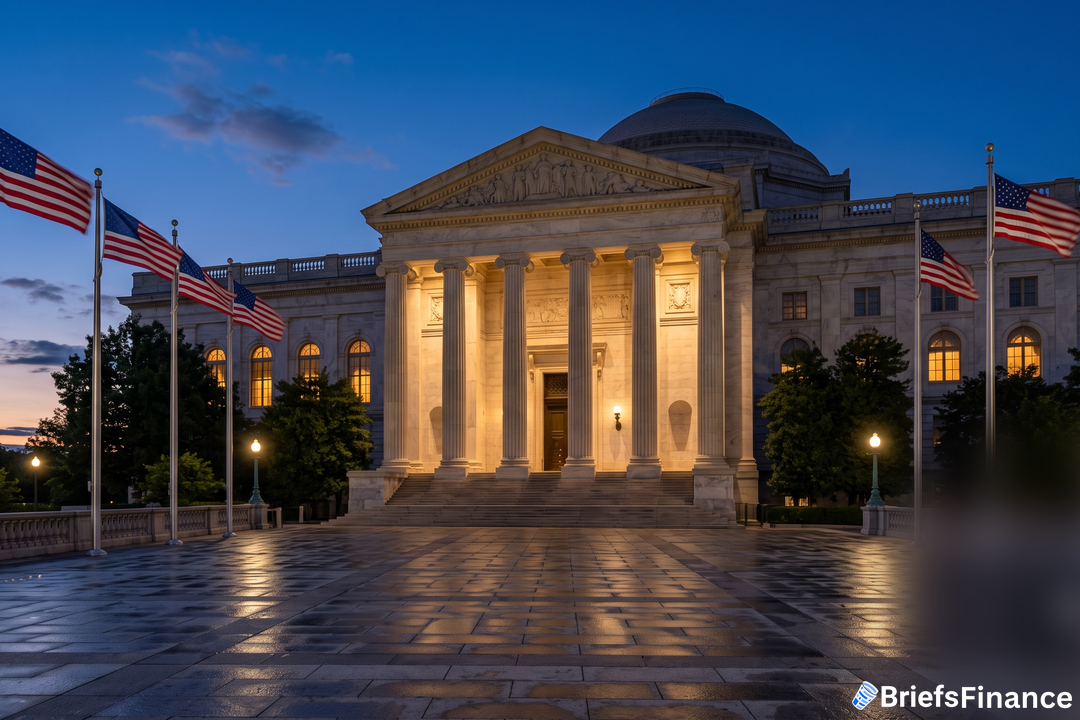
The Treasury's proposal preserves a dual banking system for stablecoins.
Understanding the Dual Banking System
The dual banking system is a cornerstone of U.S. financial regulation, allowing banks to choose a charter under either federal or state authority. For stablecoins, the Treasury's rule extends this concept by requiring issuers to satisfy the requirements of both levels of government. In accordance with the proposal, stablecoin issuers must obtain registration from a federal authority - such as the OCC or the Federal Reserve - while also obtaining a license from the state where they operate.
This ensures that no single jurisdiction has exclusive oversight, potentially preventing a race to the bottom in regulatory standards. The approach echoes the recommendations of the President's Working Group on Financial Markets, which argued that stablecoin issuers should be subject to comprehensive federal prudential regulation.
Stablecoins are digital assets designed to maintain a stable value, typically pegged to a fiat currency like the U.S. dollar. They have become a critical component of the cryptocurrency ecosystem, facilitating trading, lending, and payments. However, their rapid growth has attracted increased regulatory attention, particularly after the collapse of TerraUSD in 2022 highlighted the risks of insufficient oversight.
This dual oversight structure differs from the existing framework for traditional banks, where institutions can choose between a federal or state charter but must comply with the regulations of the chartering authority. In the case of stablecoins, the proposal mandates that all issuers meet both sets of requirements, ensuring a uniform standard of consumer protection, reserves management, and anti-money laundering compliance.
Key Provisions of the Proposal
While the full text of the rule has not been released, the Treasury's announcement indicates several core requirements.
Get the market news that matters in a five-minute read with Market Briefs, our free daily newsletter
Importantly, the rule does not create a new federal charter specifically for stablecoins; instead, it leverages existing banking charters. This means that firms like Circle, which issues USD Coin, may need to restructure their operations to comply with both state and federal guidelines. The proposal also includes consumer protections, such as clear disclosure of redemption rights and the composition of reserve assets.
The Treasury is aligned with the Financial Stability Oversight Council, which previously recommended that stablecoin issuers operate as insured depository institutions to mitigate systemic risk.
Industry Reactions and Next Steps
The stablecoin industry has responded with cautious optimism. Some executives have praised the clarity, noting that it could encourage mainstream adoption by banks and payment companies.
The rule is now open for public comment, a process that typically lasts 60 to 90 days. After that, the Treasury will release a final version, which could include modifications based on feedback. State-level regulatory bodies, including New York's DFS, will likely coordinate with federal agencies to align rules.
The proposal has also drawn attention from lawmakers on Capitol Hill, who are considering separate bills that would establish a comprehensive federal framework for stablecoins - potentially altering the dual oversight approach.
What This Means for the Future
The Treasury's proposal marks a significant shift in how the U.S. government views stablecoins. By embedding them in the dual banking system, regulators are signaling that these digital assets are here to stay and must be treated as part of the mainstream financial infrastructure. The outcome could influence global regulatory trends, as other countries watch how the U.S. balances innovation with stability.
For now, stablecoin firms face a period of adjustment, but the long-term result may be a more secure and trusted market. For investors holding stablecoins, the new rule could enhance safety by requiring issuers to hold high-quality liquid assets equal to the value of outstanding tokens. This would reduce the risk of runs and ensure that stablecoins can be redeemed at par.
However, increased compliance costs may lead to lower yields on certain products or consolidation among issuers. Ultimately, the Treasury's proposal represents a calculated step toward integrating digital currencies into the regulated financial system while preserving the longstanding dual banking model.
Join Market Briefs, our free daily newsletter, for a quick daily rundown of the markets