The Trump White House just took a major step in Iran policy.
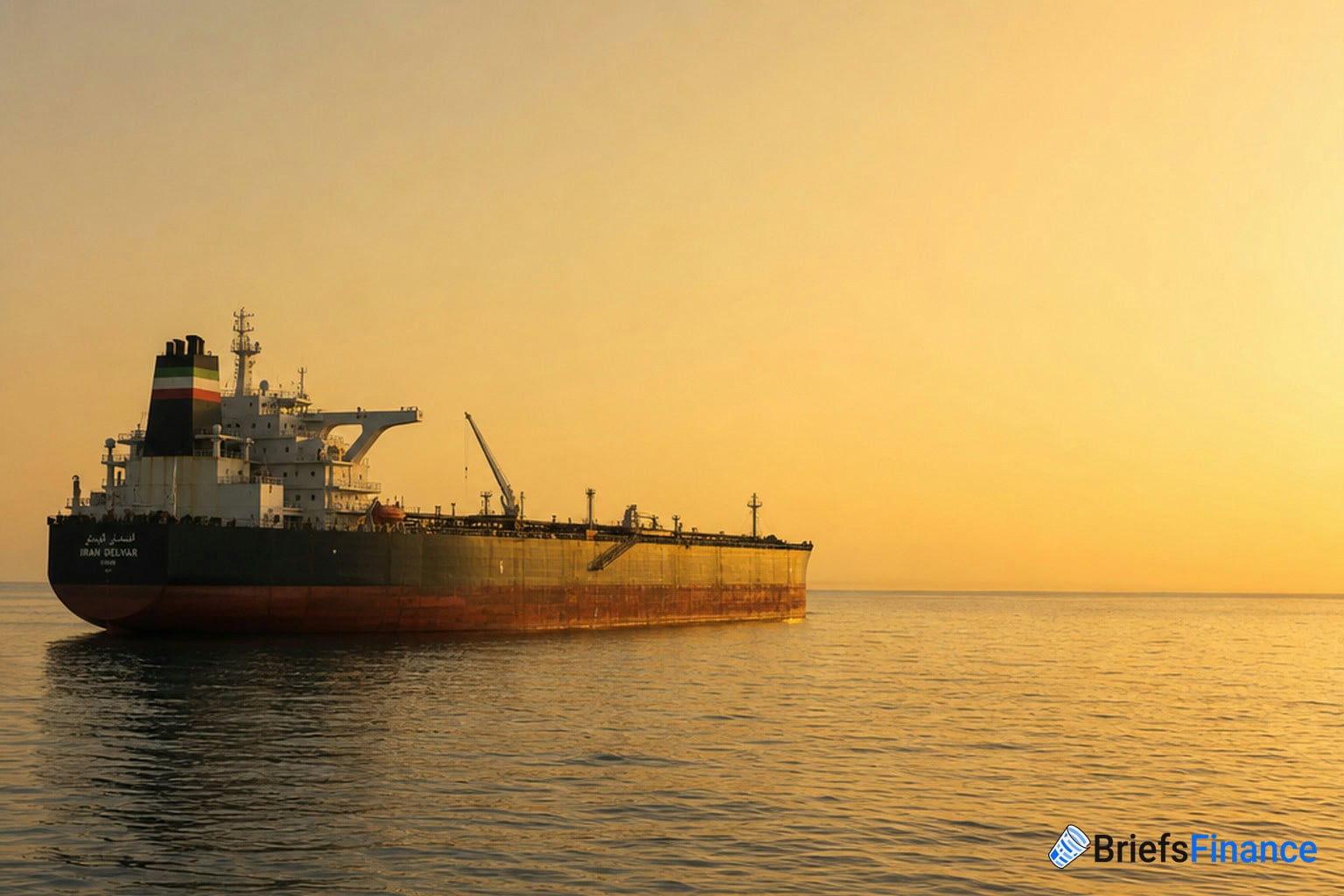
And the oil tankers are about to tell the story.
On June 22, the U.S. Treasury issued General License X - a 60-day authorization permitting the production, sale, and delivery of Iranian crude, petrochemicals, and petroleum products through August 21, 2026. That's not quiet non-enforcement. It's an explicit, announced policy decision, tied directly to ongoing peace talks with Tehran.
The Gap Between Rhetoric and Reality
For most of 2026, the U.S. position on Iran was anything but soft. Sanctions stayed on the books. A U.S.-Israel war that began in late February, followed by a U.S. naval blockade of Iranian ports in mid-April, sent Iranian crude exports tumbling from about 1.85 million barrels a day in March to roughly 567,000 barrels a day, according to Kpler.
Then came the pivot. Last week, President Trump and Iran signed a memorandum of understanding opening a 60-day window to negotiate a final deal. General License X followed days later, even allowing dollar-denominated transactions and U.S. imports of Iranian crude.
Why? Because every barrel of Iranian oil that reaches the market helps keep a lid on prices. And with U.S. drivers still sensitive to what they pay at the pump, cheap gas is a political asset no administration wants to give up.
We break down the real forces moving oil markets every morning in Market Briefs - five minutes a day, plus a free investing masterclass when you join.
What It Means for Oil Markets
Oil traders had been watching for the U.S. to ease its blockade or sanctions posture. With GL X, that's now happened - at least for 60 days. The result is a global market that should be better supplied than the headlines suggest.
Iran has long moved most of its crude to independent refineries in China - the so-called teapots, which account for roughly 90% of Iranian oil exports - at a discount. Those barrels displace other grades of crude that would otherwise compete for the same buyers. It's a quiet pressure-release valve for the whole market.
For investors, the takeaway is simple: geopolitical tension doesn't always mean higher oil prices. Sometimes it means the opposite, if the tension is managed in a way that keeps supply flowing.
What to Watch
Nuclear talks are the wildcard. If the 60-day window closes without a final deal, the administration could let GL X expire and reapply pressure - and fast. That would mean going after the tankers, the buyers, and the middlemen who facilitate the trade.
But until that happens, the policy is what the policy does, not what it says. And right now, what it does is officially let Iran sell oil.
If you want this kind of read on the market every morning, join 350,000+ investors reading Market Briefs - you also get a 45-minute investing course as a bonus.