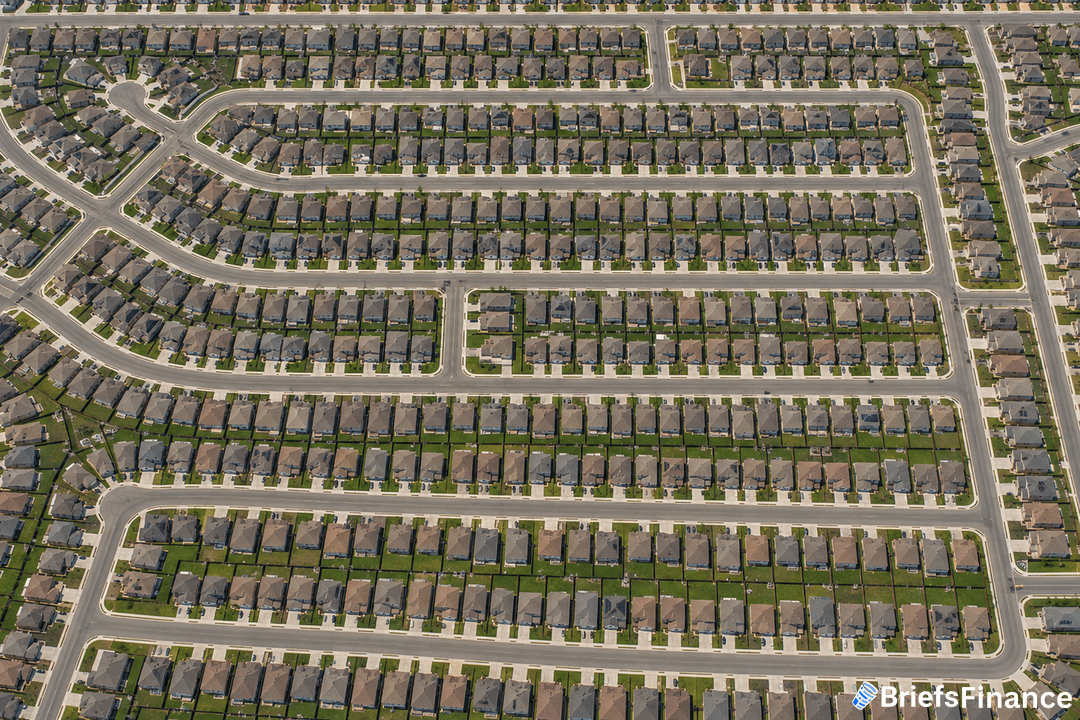
Insurance used to be a footnote at the closing table.
Now the government's own data tells a bigger story. It says insurance is starting to decide where Americans can afford to live.
That is a major shift, and it came from the Treasury.
What The Government Found
The Treasury's Federal Insurance Office studied the home insurance market. It looked at the years from 2018 to 2022.
The team pulled ZIP-level data from more than 330 insurers, its report shows. The finding was clear.
Bills rose 8.7% faster than inflation over those years. And the pain was not spread evenly.
The highest costs showed up in the riskiest places. So did the most dropped policies.
All of it clustered in the same ZIP codes. These were the ones most exposed to fires, storms, and floods.
That overlap is the whole point. Where the risk is worst, coverage is both priciest and hardest to keep.
We turn dense government reports into plain English in Market Briefs, and signing up gets you a free investing masterclass.
The Real Question Is Changing
For years, a buyer asked one thing. What does it cost to insure this place?
In a growing list of ZIP codes, the question is harder now. Can you insure it at all?
A rate cut can ease the mortgage. But it cannot make a home insurable.
That is why insurance, not interest, now sets the limit. It decides what people can buy in the wider housing market.
Why It Matters For Your Money
A home you cannot insure is a home you cannot get a loan on. That can freeze prices in the riskiest areas.
It can also push buyers toward safer ground. Over time, that reshapes which towns hold their value.
So the risk map and the price map start to merge. Investors should watch both together.
Why The Data Is New
This was a first-of-its-kind look. The data came through state regulators, known as the NAIC.
It covered hundreds of insurers at the ZIP level. That detail had never been public before.
Drop rates told the same story as prices. When insurers drop you, it happens most in risky areas.
Lenders require coverage on a mortgage. So no coverage often means no loan.
That links insurance straight to home values. A house you cannot insure is hard to sell.
It is also hard to finance. Buyers need a loan, and lenders need coverage.
Break that chain, and the sale can stall. The report shows where that chain is fraying.
It is fraying fastest in the riskiest ZIP codes. Outside analysts at Brookings read the data the same way.
Worth Noting
The same Treasury data is public and broken out by ZIP code. Buyers can check the risk in an area before they make an offer.
The map of where Americans can afford to live is being redrawn. Insurance is holding the pen.
For more stories that explain what the data really means, read Market Briefs each morning. It is free, and a 45-minute investing course comes with it.