A Shipping Rule That Cuts Both Ways
A new plan could decide who gets to use one of the world's most important shipping lanes.
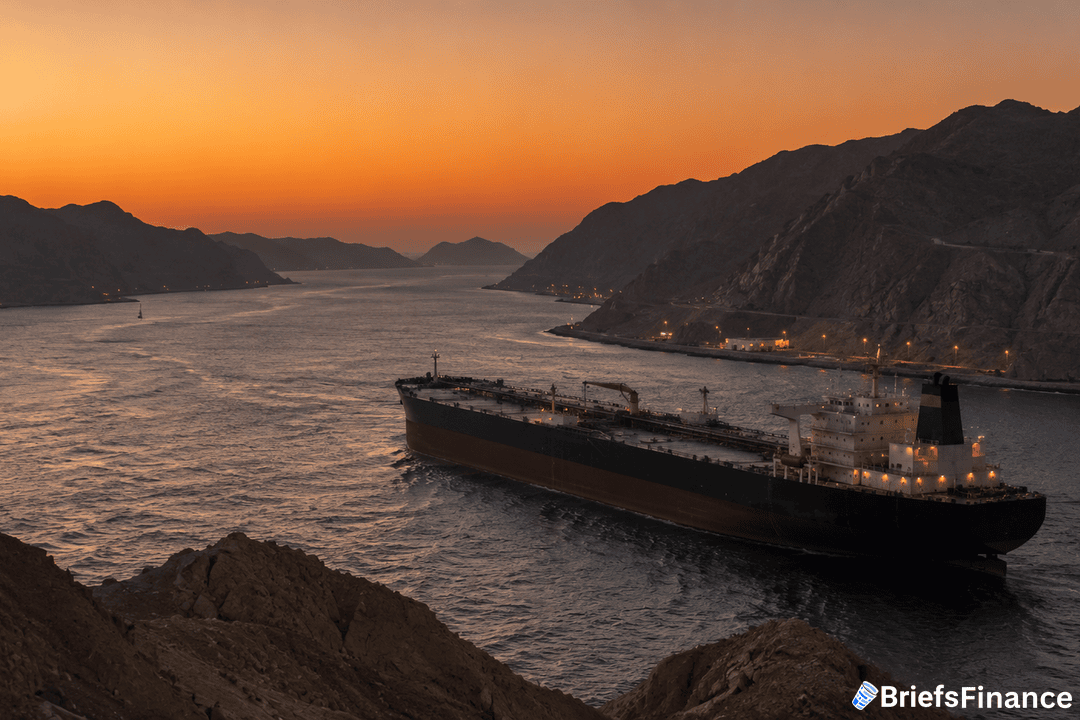
That lane is the Strait of Hormuz, the narrow waterway between Iran and Oman. Iran's state-run Fars news agency reported Thursday that a draft arrangement would stop U.S. and Israeli ships from transiting the strait.
The report, citing an Iranian lawmaker, says the draft would also keep out Israel-linked cargo and any other ships or parties that have caused damage to Iran until they pay compensation.
Ships that break the rules could face a fine of up to 20% of the cargo's value. The draft is still under review, so nothing is locked in yet.
A Deal Still Taking Shape
The draft is part of a bigger negotiation, not a standalone threat. People in the region familiar with the matter say the two countries are near completing a maritime agreement, and Tehran and Washington have both indicated an announcement may be close.
Iran had earlier said it was nearly done reviewing and drafting its joint statement with Oman.
An Iranian official familiar with the pact told MS NOW that the temporary deal would not come with tolls or fees. It would apply to every ship coming into Iranian territorial waters, plus outgoing traffic on a route closer to Oman.
Get the free Always Be Buying eBook and learn the simple system for building wealth on any income
That official also said the whole point is to get negotiations back on the track of the U.S.-Iran ceasefire and the mid-June memorandum, which would open a fresh 60-day cycle of talks. The announcement would include the International Maritime Organization, the U.N.'s shipping agency, plus Washington.
An official from a Gulf government said the Gulf Cooperation Council's member states support the agreement.
The public messaging, however, is full of contradictions. Deputy Foreign Minister Kazem Gharibabadi said Wednesday night on IRNA that Washington is ready to "return to commitments," but he denied that any U.S.-Iran talks took place.
He also said the old routes no longer work because they "no longer meet the current difficult conditions that have jeopardized the national security of the Islamic Republic of Iran."
Trump disputed that denial. He said Monday that Iranian leaders are "duplicitous" and that talks are happening "whether Iran wants to admit it or not."
Foreign Ministry spokesperson Esmail Baghaei said the deal is close, as long as "some third parties do not obstruct work in this regard."
The timeline is tight.
Treasury Secretary Scott Bessent told CNBC an agreement could be announced as soon as Wednesday.
What It Means for Your Money
For investors, this is a reminder that oil routes sit at the center of geopolitics. If ships get blocked, fuel prices and shipping costs can move quickly.
A few facts are worth keeping straight. U.S. Central Command said on X Tuesday that the southern passage remains open to every commercial ship and passes through Omani waters.
But on Thursday, the U.K. Maritime Trade Operations Centre reported blasts affecting tankers near Yemen and Oman the day before. So the waterway is open, and the region is still dangerous.
The draft plan is part of a larger tug-of-war over leverage. Iran says the old routes threaten its national security, while Washington wants the oil to keep moving.
The June 17 memorandum between the two countries is the measuring stick. That deal had Iran letting commercial ships pass through the strait for free for 60 days, with the U.S. dropping its naval blockade of Iranian vessels.
For your money, the point isn't to guess where oil goes next. It's that shipping rules in the Middle East can change fast, and those changes ripple into fuel prices, shipping costs, and the stocks that depend on both.
The real test is whether this deal actually gets signed, and whether what happens in the water matches what's written on paper.
Download the free Always Be Buying eBook and start putting your money to work today