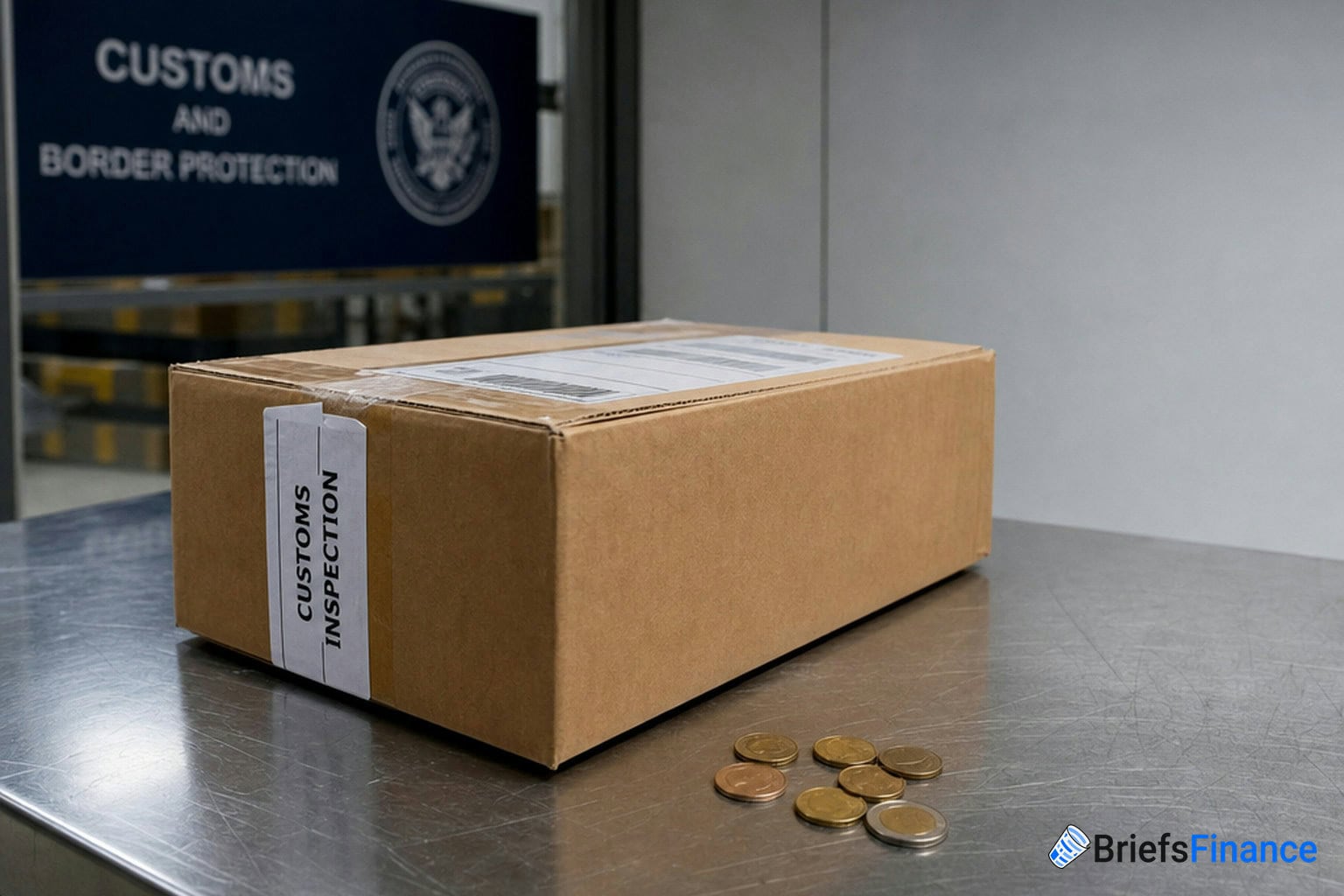
A €3 fee sounds tiny.
But for the millions of Europeans who order cheap T‑shirts, phone cases, or toys from sites like Shein and Temu, it's the clearest signal yet that the duty‑free shopping spree is over. And that €3 is just the first charge.
The End of 'Too Small to Matter'
The EU is killing its so‑called de minimis rule - a tariff break that meant parcels under €150 sailed through customs with no duty. From July 1, every single item with a product code under that threshold gets hit with a flat €3 charge.
E‑commerce imports into the bloc reached nearly 6 billion items last year. China dominated, moving about 90% of the goods that would have been tax‑free under the old rule. Fast fashion, beauty products, electronics - all suddenly a little more expensive.
Who Actually Pays
The fee is collected from carriers, customs brokers, or sellers - but they'll pass it straight to you. FedEx already told customers it will "recover the amount" from buyers.
If you order three identical T‑shirts from one seller? That's €3. A T‑shirt and a book in the same box? €6. Three items from three different countries? €9.
Mike Parra, DHL's Europe boss, said many shoppers will simply walk away at checkout. Delivery networks are bracing for bottlenecks. And an extra handling fee - about €2 per shipment - kicks in this November as the EU modernizes its customs rules through 2028.
Worth Noting
Officially, this isn't protectionism. The EU says it's about a level playing field and safer products. But the real effect hits small sellers and UK businesses especially hard - Britain's own duty‑free threshold won't change until 2029, so some retailers worry they'll lose their EU customer base entirely.
For shoppers, the cheap‑parcel era is ending in slow motion. The first fee is €3. By late this year, add another €2. Each new rule adds paperwork and delays. The real cost might not be the euros - it's the checkout moment when a buyer decides the deal isn't worth it anymore.