The Current Picture
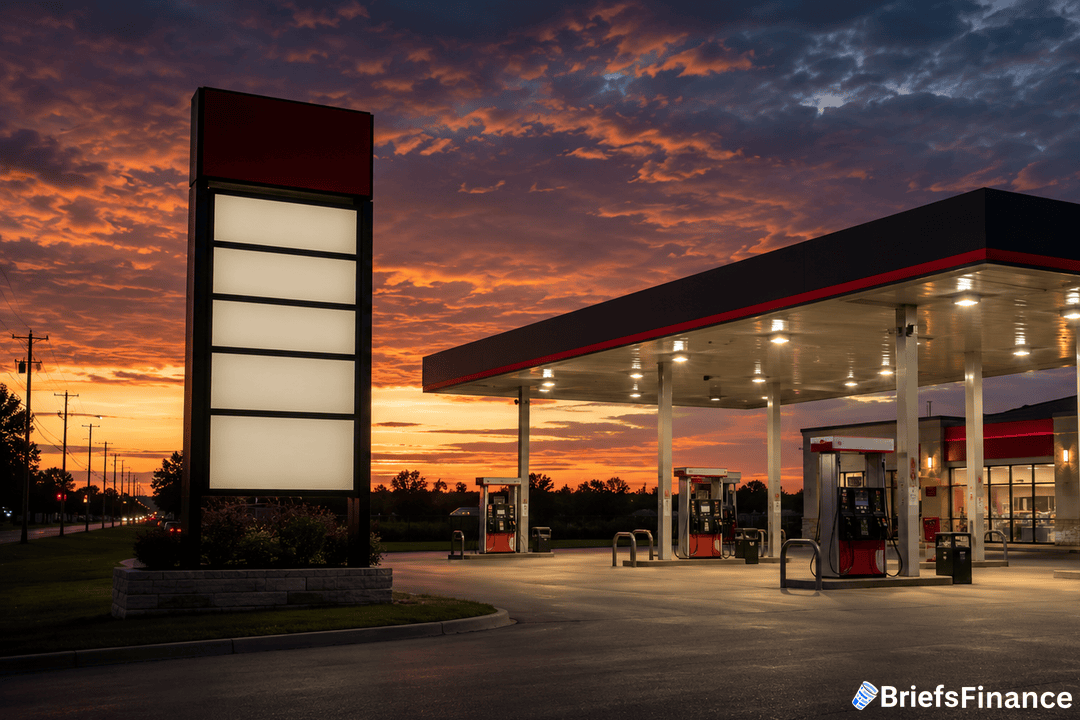
The US is in the thick of its summer driving period, and fuel costs for both gasoline and diesel have reached unprecedented levels for this point in the season. This is happening while many Americans are on the road for summer trips and family gatherings.
A year ago, the same period saw gasoline at $3.20 per gallon and diesel at $3.70. That represents a jump of 80 cents and $1.70 respectively, hitting consumers' wallets at a time when many are already feeling the pinch of inflation.
Get the free Always Be Buying eBook and learn the simple system for building wealth on any income
Supply and Forecasts
Little respite appears likely because the US military action against Iran and the ongoing Russia-Ukraine war continue to restrict worldwide crude and fuel output from these key areas. In the meantime, US gasoline stockpiles have fallen to their lowest since November 2025, based on government figures issued on Wednesday. For areas such as New York and New Jersey, inventories are at their lowest point since November 2024. This scarcity is particularly concerning because American drivers log approximately three trillion miles each year in cars and trucks, as reported by the Federal Reserve Bank of St. Louis.
These inventory shortfalls are especially troubling given that they coincide with the peak of the summer travel season. The American Automobile Association's data indicates that the current prices are the highest ever recorded for the second week of August, and the Department of Energy's upwardly revised forecasts suggest that even the typical seasonal drop in demand may not bring prices back to normal levels. For many families, the cost of filling up a tank has become a significant budget item, and this is likely to be a central theme in the upcoming midterm elections. Because diesel powers the trucks that move goods across the country, elevated diesel prices can translate into higher costs for a wide range of consumer products.
What Could Keep Prices High
After the summer travel rush, gasoline demand usually falls, but refiners, who have been earning large margins from global demand, are planning to shift output toward diesel to compensate for missing supply. This could limit gasoline inventories since refineries will make less gasoline, resulting in continued high prices. All this unfolds as Americans prepare to vote in November's midterm elections, with fuel prices prominently displayed above gas station forecourts.
Certainly, current fuel costs are lower than the wartime highs seen earlier in 2025, which themselves did not exceed the record surges that followed Russia's invasion of Ukraine. Additionally, US inflation figures published on Wednesday for July were mild, indicating that energy and gasoline costs declined for a second straight month as increased oil flowed from the Persian Gulf following the breakdown of a US-Iran truce. Still, the combination of thin inventories, strong demand, and geopolitical tensions suggests that relief at the pump may remain elusive for the rest of the year. Moreover, the possibility of further supply disruptions remains, as any escalation in the Middle East or in the Russia-Ukraine war could quickly push prices higher.
Download the free Always Be Buying eBook and start putting your money to work today