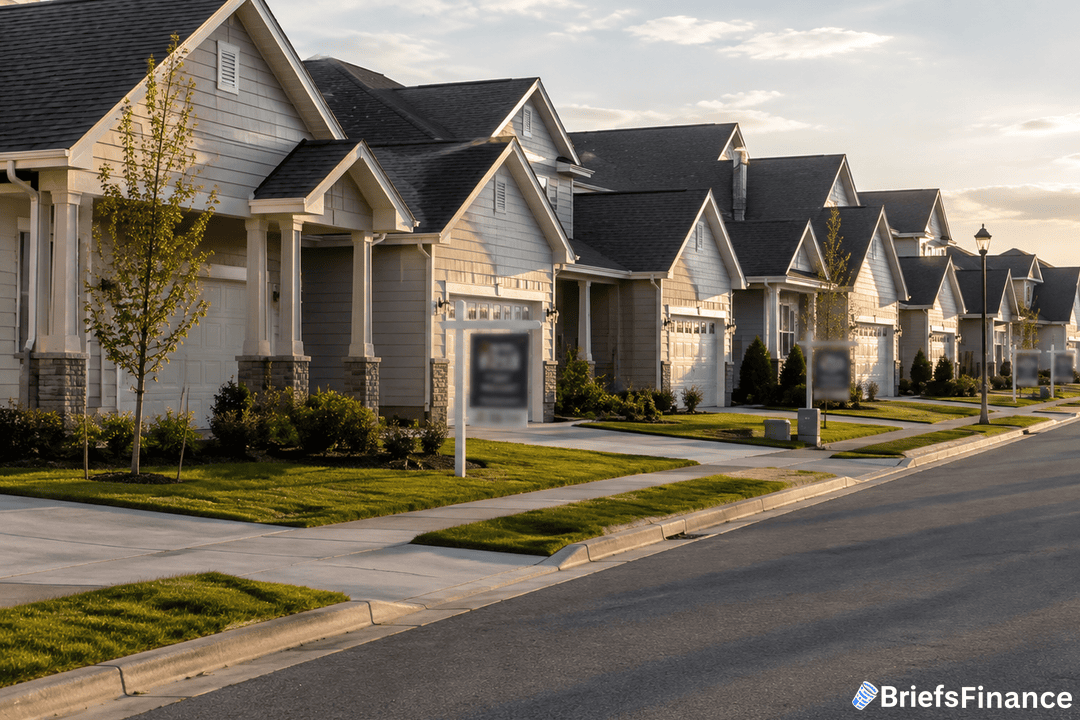
The biggest landlord of single-family homes in the U.S. says the new federal ban on big investment firms buying houses will do what it was designed to do. It just won't happen overnight.
"I believe in the medium- to long-term, it definitely will," said Invitation Homes CEO Dallas Tanner.
Why the Ban Won't Bite Right Away
But Tanner says the immediate picture is more complicated.
"I think 90% of the bill focuses on deregulation," he said. "How do we simplify capital coming into housing?" Tanner said, "Are there ways that we can spur up the supply side challenges that we have? I think overnight in the immediate term, it's a bit trickier because there's more to the story than just what the bill addresses."
In plain English: mortgage rates are still bouncing around, construction costs are high, and zoning rules make it hard to build in the places that need homes most.
President Donald Trump called for the ban in early January with a blunt message on social media: "People live in homes, not corporations."
The Landlord's Pivot to New Construction
Invitation Homes has been shedding large numbers of its older houses and shifting its spending toward purpose-built rental housing.
Get the free Always Be Buying eBook and learn the simple system for building wealth on any income
Invitation Homes has built or bought more than 6,000 new houses over the past five years through partnerships with builders, and in January it acquired ResiBuilt, a homebuilder. It has also bought rental properties from public builders Pulte Homes and Lennar.
The strategy gets around the ban, which still allows investors to buy newly built single-family homes designed for rental use. It also gives the company exactly the kind of housing the country is short on.
"We found through trial and error ... that this new product, this beta product, the product that we do amongst these master planned developments - it works really, really well for our families," Tanner said.
What the Numbers Show
At the national level, investors with more than 1,000 rental homes account for just under 3% of the country's single-family rental stock, but their footprint is much larger in some metro areas. According to the Urban Institute, they control 25% of that market in Atlanta, 21% in Jacksonville, and 18% in Charlotte.
That concentration is exactly what the law targets, and it explains why the ban could matter more in some cities than others.
Tanner also pointed to signs that the rental market is settling down after the pandemic boom. The company posted stronger-than-expected financial results in late July, despite softer rents and weaker demand than in the early pandemic years.
"We've seen sort of fundamentals reset," he said. "We're starting to see actual pretty positive green shoots in several of our markets."
Context
Invitation Homes is the largest owner of single-family rentals in the country, and its size puts it squarely within the group the new law targets. The new caps aim to lessen how much big investors can dominate existing-home purchases. The company's pivot shows how big landlords plan to adapt: keep adding purpose-built rental houses, shed some older existing homes, and let the new construction side grow.
What It Means for Your Money
For homebuyers, the ban is a slow-moving force, not a quick fix. Prices should ease as big investors step back from existing homes, but that takes time, and meanwhile mortgage rates and construction costs are doing more to shape prices in the near term.
For renters, the picture is mixed. Big landlords like Invitation Homes are building new rental supply, which helps over time, but they are also pulling back from older homes as the market works through the reset Tanner described.
The bottom line: the law is dialing back the era of giant investors scooping up existing houses, and the effects will show up gradually and unevenly, city by city.
Download the free Always Be Buying eBook and start putting your money to work today