What changed
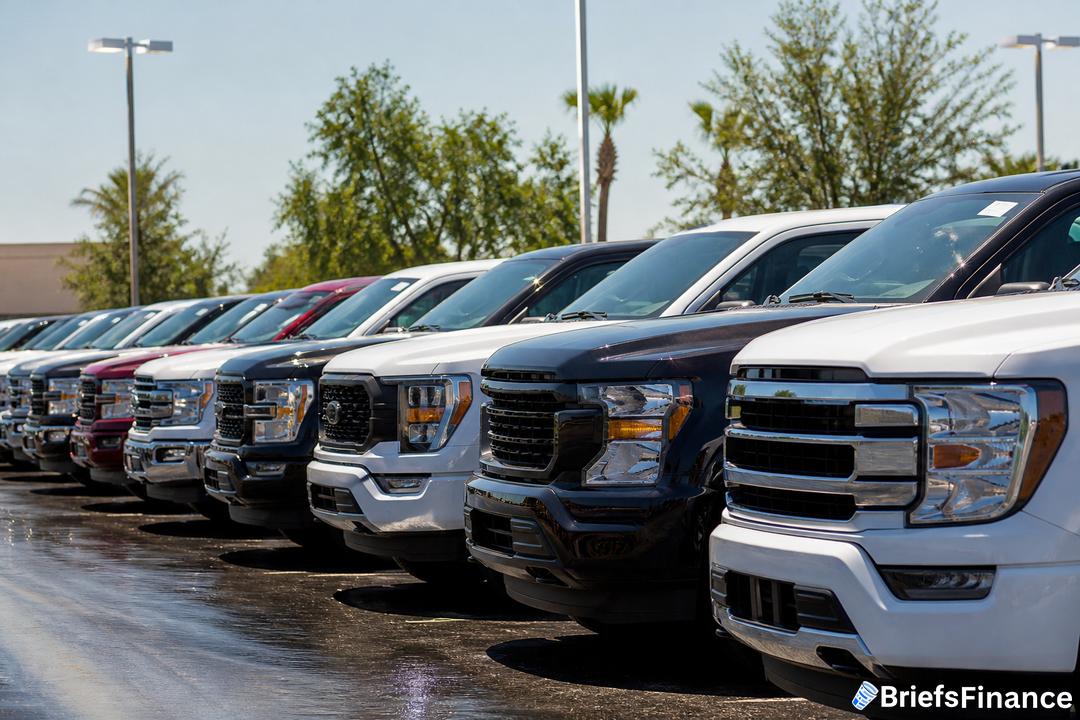
The administration completed a broad pullback of federal fuel-economy requirements that had prodded automakers to boost efficiency and sell more battery-electrics. Transportation Secretary Sean Duffy framed the change as a way to make new vehicles more affordable. Auto and oil companies, long critical of stricter rules they said tilted the market toward EVs, see the new approach as a win.
The numbers and rules
The Transportation Department says fleet performance for passenger cars and light trucks is projected to reach 34.9 mpg by the 2031 model year - well under the roughly 50 mpg benchmark adopted under Biden-era standards. The final rule shuts down the compliance credit-trading market beginning with model year 2028. And in 2030, it revises the test that determines whether a model counts as a passenger car or a light truck, a shift DOT says will flip today's mix of about 70 percent light trucks and 30 percent passenger vehicles and move many models such as compact crossovers into the more demanding passenger-car category.
Politics and policy shifts
This move advances President Donald Trump's effort to unwind policies he has blasted as an "EV mandate," calling them "ridiculously burdensome" and saying they push up sticker prices. He has already signed legislation eliminating penalties for missing fuel-economy targets and canceled the $7,500 federal consumer tax credit for EV purchases.
Policy changes remind investors to reassess strategies for protecting and growing their money. Join Briefs Finance CEO Jaspreet Singh on September 29th for a FREE live investor workshop, How to Profit From A Dollar That's Losing its Value, where he shows how we're spotting investment opportunities as the dollar falls. Save your spot.
Reactions and what it means for your wallet
Automakers cheered. John Bozzella, who leads the Alliance for Automotive Innovation, called the rule an "appropriate course correction," adding, "NHTSA made the right call to better align fuel economy standards with the law and current market conditions." Environmental groups blasted the decision, arguing the tougher standards were projected to save consumers billions of dollars, especially as gas prices have surged amid the war with Iran. "Americans need relief from high costs, but instead Trump is giving automakers a free pass on pollution and handing families the bill," said Katherine García of the Sierra Club. For everyday budgets, the takeaway is simple: rules that shape what gets built and how efficiently it runs can influence what ends up on dealer lots and what you pay at the pump over the next few model years.
Staying steady through change starts with a clear plan to preserve and build wealth. Our CEO Jaspreet Singh is hosting a FREE live investor workshop, How to Profit From A Dollar That's Losing its Value, on September 29th. Sign up free to join him live.