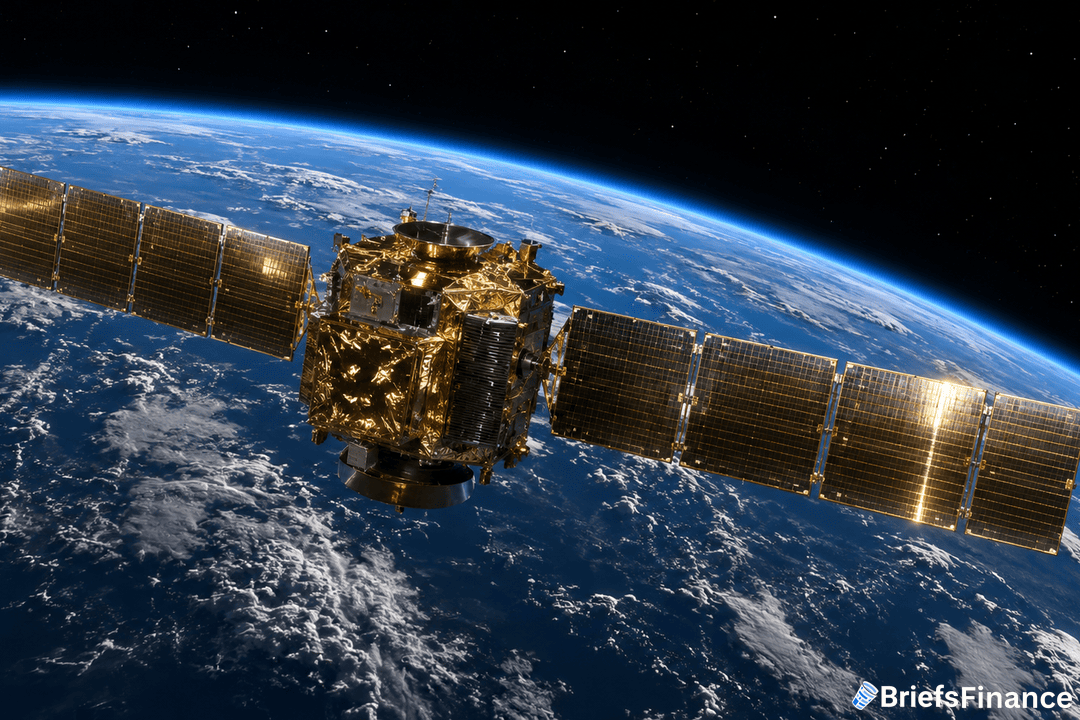
AI data centers in space sound like science fiction. Every expert says they cost too much right now.
And the biggest names in tech are pouring billions in anyway.
Why The Sudden Rush
SpaceX went public on June 12 and raised $85.7 billion. The deal made Musk the world's first trillionaire.
That cash gives the company room for big bets, and its AI arm is starving for computing power. One bet is putting that computing in orbit.
The pitch is simple. Up in space, the sun never sets, so the solar power never stops.
SpaceX also wants its own chips for all this. It teamed up with Tesla and Intel on a giant factory in Texas that could cost up to $119 billion.
We track where the smart money is moving in AI, like this space bet, every morning in Market Briefs, and joining gets you a free investing masterclass too.
It's Now A Crowded Race
SpaceX asked regulators in January to launch up to one million satellites. They would anchor a data center in orbit.
Jeff Bezos and his rocket firm Blue Origin followed in March. Their plan calls for more than 51,000 satellites.
Google is in too, working with a satellite maker called Planet Labs. SpaceX could even be its launch partner.
Small startups are testing as well, and one even has ties to a Robinhood co-founder. Another already sent an Nvidia computer chip into space on a SpaceX rocket.
These are some of the biggest tech stocks on the market, all chasing the same idea at once.
The Catch: The Math Doesn't Work Yet
Here's the problem. No one has shown space is cheaper than the ground today.
The whole bet is that two cost lines will cross. Earth costs keep rising, while space costs keep falling.
Picture those two lines on a chart, slowly moving toward each other. A Harvard economist calls that "a reasonable story," but still a bet.
Google ran the numbers on its own plan. It found space could match Earth's costs if launch prices drop below $200 a kilo by the mid-2030s.
Musk thinks space wins in two to three years. Bezos says that timeline is "a little ambitious."
Why Space Is Even In The Talk
On the ground, the public is pushing back hard. More than 100 local and state bans on new data centers have been proposed.
One poll found 7 in 10 Americans don't want one near them. Another study found 79% of data center power sits in spots facing climate risk.
Builders also like that space sites don't fight towns for water and power. And AI's huge hunger for power is why some investors are betting on nuclear energy back on Earth.
What To Watch
The first real tests are close. Blue Origin plans to start launching its satellites in late 2027, and SpaceX wants a test up by then too.
Smaller players want in as well, with Rocket Lab building a bigger rocket to chase the same work. Whether those two cost lines actually cross is the whole ballgame.
Want to follow the AI race without the jargon? Read Market Briefs with 350,000+ investors and grab a free 45-minute investing course when you sign up.