The Strait of Hormuz is open again, and oil prices are dropping. That sounds like good news.
But a lot of oil experts think it is backwards. The world is running low on crude, and falling prices are hiding it.
The Missing Oil Supply
Oil stopped flowing out of the Middle East for nearly four months. All told, the world lost about 1.15 billion barrels of supply, says the firm Kpler.
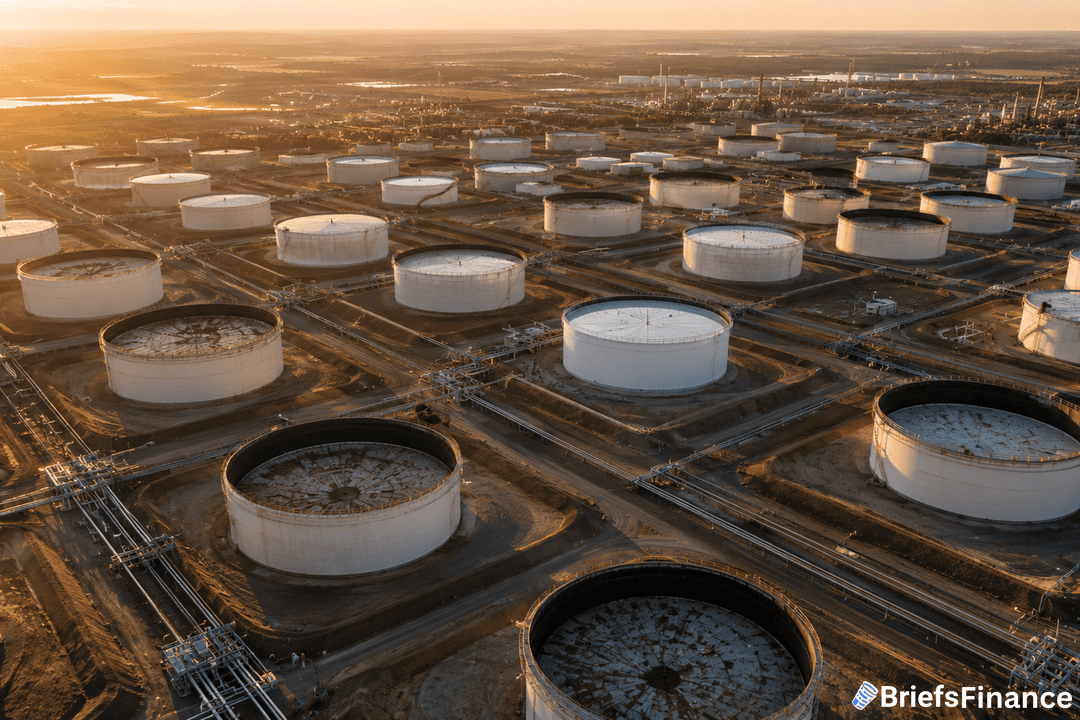
That left storage tanks draining fast, and global stockpiles have fallen by 190 million barrels. Global emergency reserves are now at their lowest since 1990.
A key hub in Cushing, Oklahoma just hit a wall. It is now hard to pump the last good oil out of its tanks.
U.S. emergency reserves sit at a 43-year low. That leaves little cushion if supply stays tight.
U.S. diesel supplies are thin too, near their lowest since 2003. That matters because diesel moves trucks, trains, and farm gear.
Oil swings ripple straight into gas prices and your portfolio. We explain what is really driving them in Market Briefs, plus a free investing masterclass when you sign up.
Why Reopening Won't Refill Tanks Fast
Prices fell for a simple reason. Traders saw the strait reopen under a U.S.-Iran deal and figured the crisis was over.
Brent crude, the main oil price, fell from a wartime high near $126 a barrel to under $80. But opening the strait does not refill the tanks.
The water has to be cleared of mines, and empty tankers have to come back. Then production has to restart, which the oil industry thinks could take months.
The slow refill is the heart of the problem. Tankers and pipelines cannot move billions of barrels in just a few weeks.
The Case For Higher Prices
This is why some experts think oil has fallen too far. Picture a bathtub that has been draining for months.
Turning the faucet back on does not fill it right away. The same goes for the world's oil tanks.
Say the world pumps 5 million more barrels a day than it uses. Even then, it would take about a year to win back 1.15 billion lost barrels.
One strategist said traders have jumped way ahead of where the market really is. For drivers, that gap could mean higher prices at the pump this summer.
Not everyone agrees the squeeze will last, though. Some point to OPEC members eager to pump more oil, and U.S. gasoline supplies are down just 5% from a year ago.
What To Watch
The split comes down to timing. Bulls say oil is about to run short, so prices have to climb.
Bears say a flood of new oil is already on the way. Both cannot be right for long.
Drivers will feel the answer first, since pump prices track crude with a short lag. Businesses that ship goods will feel it next.
The tanks will settle it.
For a five-minute morning read that connects moves like this to your money, join 350,000+ investors at Market Briefs - it comes with a 45-minute investing course as a bonus.