Free NewsletterPro Login
S&P 500 6,287 +0.42%
DOW 44,521 -0.18%
NASDAQ 21,103 +0.71%

Warning: Undefined variable $funds in /var/www/briefs.co/htdocs/wp-content/plugins/oxygen/component-framework/components/classes/code-block.class.php(133) : eval()'d code on line 491

Warning: foreach() argument must be of type array|object, null given in /var/www/briefs.co/htdocs/wp-content/plugins/oxygen/component-framework/components/classes/code-block.class.php(133) : eval()'d code on line 491
/* the link was here */

Switzerland Confirms U.S.-Iran Talks For Friday

Published Jun 19, 2026
[tts_player]
Share:
Summary:
  • Switzerland confirmed U.S.-Iran talks were scheduled for Friday before VP JD Vance pulled out over logistical issues, postponing the meeting.
  • Switzerland has acted as a diplomatic go-between for the U.S. and Iran since 1980, handling prisoner swaps and backchannels including work around the 2015 nuclear deal.
  • Iran produces about 3.2 million barrels of crude per day, and even rumored shifts in U.S.-Iran relations have moved oil prices by a dollar or two in a single session.

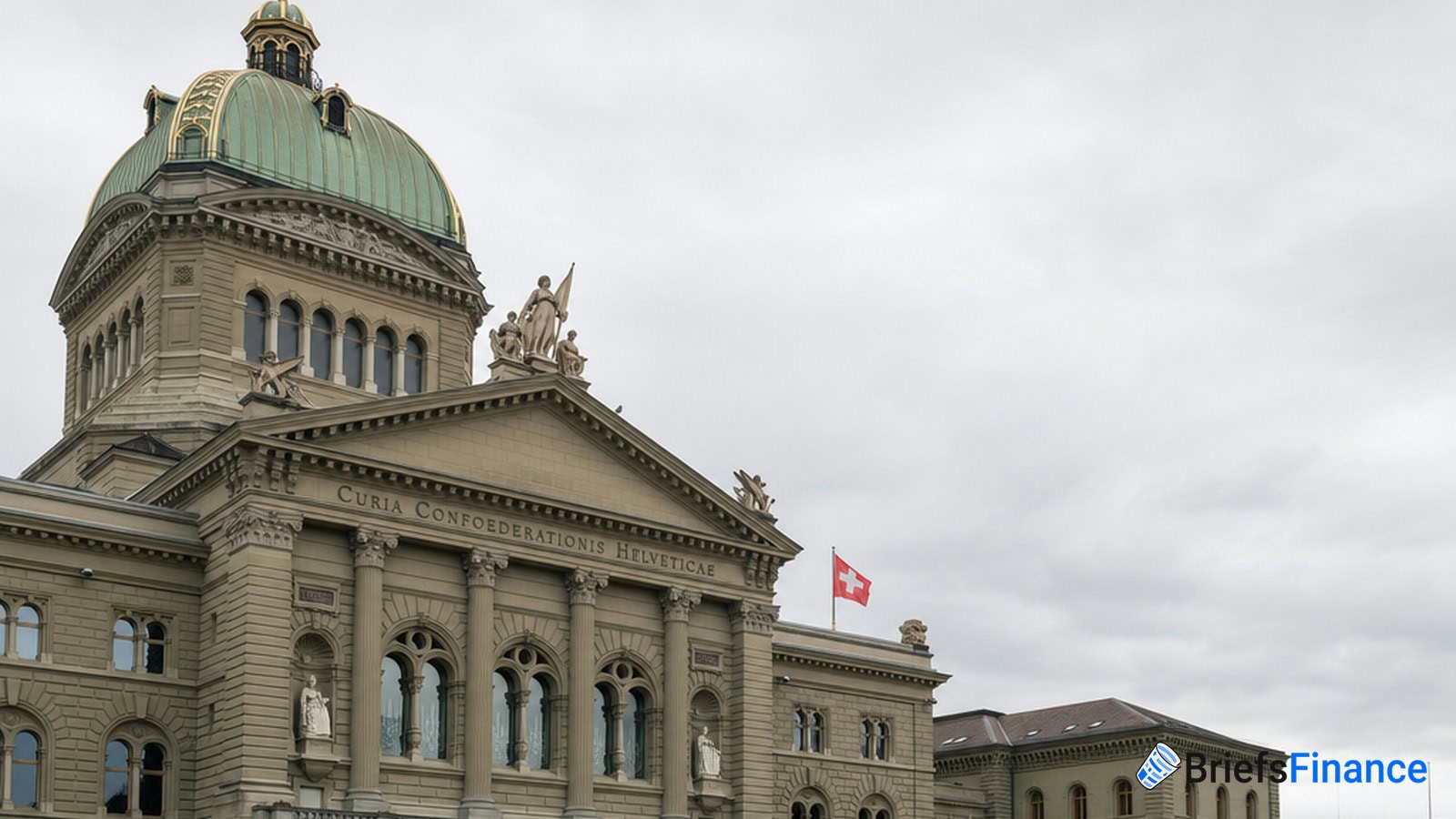
Switzerland just said Iran and the U.S. were set to meet Friday - though the Swiss Foreign Ministry confirmed today the talks have been postponed after VP JD Vance pulled out, citing logistical issues. Swiss officials had set up the meeting between two countries that haven't had formal diplomatic ties since 1980.

Switzerland rarely puts these meetings out in the open. That's part of why oil traders are watching.

Small shifts in tone between Washington and Tehran tend to move the price of crude.

The Swiss Middleman

For over forty years, Swiss officials have carried notes between Washington and Tehran. The role is called a "protecting power" - a trusted go-between that represents one country's interests in another.

The setup began after the U.S. severed direct ties with Iran in 1980, following the 1979 hostage crisis. Since then, it's handled prisoner swaps and quiet diplomatic backchannels.

The Swiss role has touched some of the biggest U.S.-Iran moments of the last 40+ years. That includes work around the 2015 nuclear deal.

Most of that work happens behind closed doors. The Swiss embassy in Tehran handles it as the stand-in for the U.S. embassy.

A public meeting is the rare kind. It usually means both sides want the talks on the record.

That doesn't tell you what's on the agenda. But it tells you something has changed.

We track the policy moves Wall Street is actually watching every morning in Market Briefs - five minutes a day, plus a free investing masterclass when you sign up.

Why Oil Traders Are Watching

Iran pumps about 3.2 million barrels of crude a day. That puts it among the world's top ten oil producers.

U.S. sanctions set how much of that oil reaches the world market. Every shift in tone between the two capitals can move that number.

Iran has stayed under U.S. sanctions for most of the past two decades. Brief windows of relief came around past nuclear deals.

Even talks that are just rumored have pushed oil prices by a dollar or two in one day. Bigger swings hit when a real deal lands or falls apart.

Brent crude has been trading in a tight range. That leaves room for a sharp move when the news lands.

Traders will watch if the talks touch sanctions, nuclear checks, or Gulf tensions. Each topic carries a different price tag for the barrel.

What's Usually On The Table

Past Swiss-facilitated channels have covered prisoner swaps and frozen Iranian funds in foreign banks. They've also touched the question of whether Iran will rejoin nuclear talks.

Any progress on those fronts would mark a real shift. But neither side has hinted a deal is close.

Recent flare-ups in the region have kept the mood tense. The fact that both sides agreed to a meeting at all suggests they're still willing to talk.

What to Watch

The first question is when the rescheduled meeting actually happens, since both sides have backed out of past talks at the last minute. The second is what gets shared in any readout.

The third is how crude moves in the hours after the headlines. The next round of preparatory work is the next data point.

If you want this kind of read on what's moving markets every morning, join 350,000+ investors reading Market Briefs - you also get a 45-minute investing course thrown in as a bonus.

Disclosure

Recent News

1 2 3 48

Get Market Briefs delivered to your inbox every morning for free!

No fluff. No noise. No politics. Just finance news you can read in 5 minutes.

Blogs

June 29, 2026
Portfolio Diversification: Why Putting All Your Eggs in One Basket Destroys Wealth
  • Real diversification means spreading investments across all 11 economic sectors plus bonds, alternatives, and cash so no single bet can sink the portfolio.
  • Different sectors perform at different times, so a diversified portfolio captures upswings while smoothing the brutal drawdowns that wipe out concentrated bets.
  • Total market index funds offer the simplest path to diversification, and annual rebalancing is what keeps the structure working over time.
Read More
June 29, 2026
Non Taxable Income: What It Is and Why It Matters
  • Non taxable income is money you receive that you don't owe income tax on.
  • The tax code treats workers, investors, and business owners very differently, and investors often come out ahead.
  • Learning how income is taxed is a quiet superpower for keeping more of what you earn.
Read More
June 29, 2026
Semiconductor Stocks: A Simple Guide for Investors
  • Semiconductor stocks are companies that design and make computer chips, the brains inside nearly every modern device.
  • The AI boom has turned chips into one of the market's most important and most watched groups.
  • They offer big growth potential, but come with high valuations and a notoriously cyclical history.
Read More
June 25, 2026
How Stocks Work: A Simple Guide for Beginners
  • A stock is a slice of ownership in a company - buy one, and you own a piece of the business.
  • You make money two ways: the share price rising over time, and dividends paid to shareholders.
  • The simplest path for most beginners is buying into the whole market through a low-cost index fund.
Read More
June 25, 2026
Stop Loss vs Stop Limit: What's the Difference?
  • A stop loss order sells your stock once it hits a trigger price, prioritizing getting you out.
  • A stop limit order only sells within a price range you set, prioritizing price over a guaranteed exit.
  • The trade-off: a stop loss almost always executes; a stop limit might not if the price moves too fast.
Read More
June 25, 2026
Energy Stocks: A Simple Guide for Investors
  • Energy stocks are companies that produce and supply the power the world runs on, from oil and gas to newer sources.
  • They make up one of the 11 sectors of the market and tend to move with energy prices and big-picture shifts.
  • Like any sector, the key is diversification and understanding the forces driving demand.
Read More
June 18, 2026
What Is a Stop Loss Order? A Simple Guide
  • A stop loss order automatically sells a stock once it falls to a price you set.
  • It's a tool to cap losses or lock in gains without watching the market all day.
  • It works best for active strategies, and can backfire if used carelessly on long-term holdings.
Read More
June 18, 2026
Best S&P 500 Index Fund: How to Choose One
  • The best S&P 500 index fund for most investors is simply the cheapest, most established one that tracks the index well.
  • Funds like VOO, IVV, and SPY all hold the same 500 companies, so the biggest difference is the fee.
  • Pick one, automate your buys, and let time do the heavy lifting.
Read More
June 17, 2026
What Are Penny Stocks? Risks and Rewards Explained
  • Penny stocks are very low-priced shares of very small companies, often trading for just a few dollars or less.
  • They promise huge gains but carry huge risks: low liquidity, high failure rates, and wild price swings.
  • Most investors are better served by quality companies and funds than by chasing cheap shares.
Read More
June 17, 2026
Best Stocks for Beginners With Little Money
  • The best stocks for beginners with little money usually aren't individual stocks at all - they're low-cost index funds.
  • You can start with $100 or less and use small, regular investments to build wealth over time.
  • Focus on diversification and consistency, not on picking the next big winner.
Read More
1 2 3 24
Share via
Copy link











